Buy musicin.eu ?
We are moving the project
musicin.eu .
Are you interested in purchasing the domain
musicin.eu ?
domain@kv-gmbh.de · 0541-91531010
Buy musicin.eu ?
Does it belong more to rhythm, melody, and harmony?
The concept of harmony is most closely related to the interaction of different notes and chords in music. Harmony refers to the simultaneous sounding of different pitches to create a pleasing sound. While rhythm and melody are also important elements in music, harmony specifically deals with the vertical aspect of music, focusing on how notes and chords interact with each other. Therefore, harmony belongs more to the realm of harmony itself. **
What is the difference between rhythm, melody, and harmony?
Rhythm refers to the pattern of sounds and silences in music, creating a sense of movement and pulse. Melody is the sequence of musical notes that are perceived as a single entity, often the most recognizable and memorable part of a song. Harmony involves the combination of different musical notes played or sung simultaneously, creating a pleasing sound. While rhythm provides the framework for the timing of music, melody is the main tune, and harmony adds depth and richness to the overall sound. **


Similar search terms for Making
Top-Angebote
Products related to Making:
-
Brother HSE-651E label-making tapeBrother P-touch Pro Tapes are built with tough and durable professional grade materials and adhesives. Developed to meet the needs of tradespeople and other professionals looking for reliable long-term identification that withstands the test of time. This 17.7mm black on yellow HSe-641E tape cassette has been designed specifically for the marking and identifying of cables, fibre and wires with an outside diameter of 5.4mm to 10.6mm. When the printed tube is placed over a cable and heated with a heat gun, the tube shrinks down, gripping the cable tightly. No adhesive is needed, ensuring that even in warm environments the heat shrink tube will not unpeel from the cable. Pro Tape TZe tape cassettes are quick and easy to install and come in various label widths, colours and materials. So, no matter what the job, Pro Tapes can provide you with crisp, sharp and easily readable labels to get the job done.46,99 £*Shipping: 0,00 £Secure redirect to the provider
-
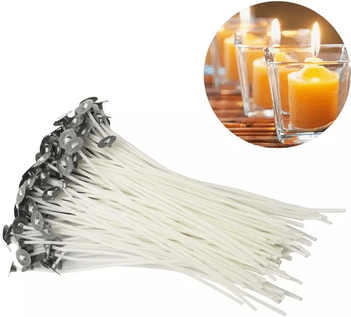
PRiME Candle Wicks Cotton Core, Pre Tabbed Candle Making Supplies Candle Wicks Cotton Core, Pre Tabbed Candle Making SuppliesUpgrade your candlemaking experience with these premium Candle Wicks 6 Inch Cotton Core Candle Making Supplies Pre Tabbed 100PCS. Designed for consistent performance and a clean burn, these wicks are perfect for both beginner and professional candle...22,97 $*Shipping: 0,00 $Secure redirect to the provider

-
What is an improvising melody instrument and an accompanying rhythm group?
An improvising melody instrument is a musical instrument that is capable of playing improvised melodies, such as the saxophone, trumpet, or guitar. These instruments are able to create spontaneous and unique melodies during a musical performance. An accompanying rhythm group consists of instruments that provide the rhythmic foundation for the music, such as drums, bass, and keyboard. Together, the improvising melody instrument and the accompanying rhythm group work together to create a dynamic and cohesive musical experience, with the melody instrument taking the lead and the rhythm group providing the underlying groove and support. **
-
How does Bob Dylan handle melody, rhythm, and harmony in A Hard Rain's A-Gonna Fall?
In "A Hard Rain's A-Gonna Fall," Bob Dylan utilizes a haunting melody that adds to the sense of urgency and impending doom in the song. The rhythm is steady and driving, propelling the song forward and adding to its intensity. Harmonically, Dylan uses simple chord progressions that enhance the emotional impact of the lyrics. Overall, Dylan's handling of melody, rhythm, and harmony in this song creates a powerful and evocative listening experience. **
-
What is the difference between harmony and melody?
Harmony refers to the combination of different musical notes played or sung simultaneously to create a pleasing sound. It involves the use of chords and the relationship between different notes played together. On the other hand, melody is a sequence of single notes that are perceived as a single entity. It is the main theme or tune of a piece of music and is usually the most memorable part of a song. In summary, harmony involves the combination of notes played together, while melody is a sequence of single notes that form the main theme of a piece of music. **
-
Which professions in the field of instrument making have a promising future?
Professions in the field of instrument making that have a promising future include those specializing in the development of advanced technology for musical instruments, such as digital interfaces and software integration. Additionally, professionals who focus on creating sustainable and eco-friendly instruments are likely to be in demand as environmental concerns continue to grow. Lastly, instrument makers who specialize in repairing and restoring vintage or rare instruments may also have a bright future, as there is a growing market for preserving and maintaining these valuable pieces of musical history. **


How can one describe the rhythm and melody?
Rhythm refers to the pattern of sounds and silences in music, created by the arrangement of notes and beats. It is the element that gives music its sense of movement and flow. Melody, on the other hand, is the sequence of notes that are perceived as a single entity. It is the part of the music that is most easily remembered and sung. Together, rhythm and melody work in harmony to create the overall structure and feel of a musical piece. **
Does practicing melody and rhythm dictation actually help?
Yes, practicing melody and rhythm dictation can be very beneficial for musicians. It helps to improve ear training skills, allowing musicians to better recognize and reproduce musical patterns. This can enhance overall musicality, improvisation skills, and the ability to learn music by ear. Regular practice of melody and rhythm dictation can also improve a musician's ability to compose and arrange music. **
Top-Angebote
Products related to Making:
-
All Categories Goods Natural Soy Wax Flakes Candle Making Kit With Wicks And Centering Tools For DIY Candle Making Supplies Natural Soy Wax Flakes Candle Making Kit With Wicks And Centering Tools For DIY Candle Making SuppliesLet creativity fill your space with warm light and soothing aromas. This complete candle making kit gives beginners and hobbyists everything they need to craft beautiful homemade candles with ease. Made with premium soy wax flakes, the kit helps you...199,97 $*Shipping: 0,00 $Secure redirect to the provider
-
All Categories Goods DIY Candle Making Kit With Soy Wax, Color Dyes, Thermometer And Tins Complete Candle Making Supplies Set DIY Candle Making Kit With Soy Wax, Color Dyes, Thermometer And Tins Complete Candle Making Supplies SetCraft beautiful handmade candles and turn creativity into a relaxing experience with this candle making kit designed for beginners and hobbyists alike. This allinone set includes premium materials and tools so you can easily create colorful,...129,97 $*Shipping: 0,00 $Secure redirect to the provider
-
Brother HSE-651E label-making tapeBrother P-touch Pro Tapes are built with tough and durable professional grade materials and adhesives. Developed to meet the needs of tradespeople and other professionals looking for reliable long-term identification that withstands the test of time. This 17.7mm black on yellow HSe-641E tape cassette has been designed specifically for the marking and identifying of cables, fibre and wires with an outside diameter of 5.4mm to 10.6mm. When the printed tube is placed over a cable and heated with a heat gun, the tube shrinks down, gripping the cable tightly. No adhesive is needed, ensuring that even in warm environments the heat shrink tube will not unpeel from the cable. Pro Tape TZe tape cassettes are quick and easy to install and come in various label widths, colours and materials. So, no matter what the job, Pro Tapes can provide you with crisp, sharp and easily readable labels to get the job done.46,99 £*Shipping: 0,00 £Secure redirect to the provider
-
Does it belong more to rhythm, melody, and harmony?
The concept of harmony is most closely related to the interaction of different notes and chords in music. Harmony refers to the simultaneous sounding of different pitches to create a pleasing sound. While rhythm and melody are also important elements in music, harmony specifically deals with the vertical aspect of music, focusing on how notes and chords interact with each other. Therefore, harmony belongs more to the realm of harmony itself. **
-
What is the difference between rhythm, melody, and harmony?
Rhythm refers to the pattern of sounds and silences in music, creating a sense of movement and pulse. Melody is the sequence of musical notes that are perceived as a single entity, often the most recognizable and memorable part of a song. Harmony involves the combination of different musical notes played or sung simultaneously, creating a pleasing sound. While rhythm provides the framework for the timing of music, melody is the main tune, and harmony adds depth and richness to the overall sound. **
-
What is an improvising melody instrument and an accompanying rhythm group?
An improvising melody instrument is a musical instrument that is capable of playing improvised melodies, such as the saxophone, trumpet, or guitar. These instruments are able to create spontaneous and unique melodies during a musical performance. An accompanying rhythm group consists of instruments that provide the rhythmic foundation for the music, such as drums, bass, and keyboard. Together, the improvising melody instrument and the accompanying rhythm group work together to create a dynamic and cohesive musical experience, with the melody instrument taking the lead and the rhythm group providing the underlying groove and support. **
-
How does Bob Dylan handle melody, rhythm, and harmony in A Hard Rain's A-Gonna Fall?
In "A Hard Rain's A-Gonna Fall," Bob Dylan utilizes a haunting melody that adds to the sense of urgency and impending doom in the song. The rhythm is steady and driving, propelling the song forward and adding to its intensity. Harmonically, Dylan uses simple chord progressions that enhance the emotional impact of the lyrics. Overall, Dylan's handling of melody, rhythm, and harmony in this song creates a powerful and evocative listening experience. **
Similar search terms for Making
-
PRiME Candle Wicks Cotton Core, Pre Tabbed Candle Making Supplies Candle Wicks Cotton Core, Pre Tabbed Candle Making SuppliesUpgrade your candlemaking experience with these premium Candle Wicks 6 Inch Cotton Core Candle Making Supplies Pre Tabbed 100PCS. Designed for consistent performance and a clean burn, these wicks are perfect for both beginner and professional candle...22,97 $*Shipping: 0,00 $Secure redirect to the provider
-
Dymo 12mm RHINO Permanent Polyester label-making tape D1When you want labels to stay put indefinitely, reach for our permanent-adhesive tapes. They provide you with a label that's so strong, it's actually hard to remove. Ideal for any environment, we promise you'll be "stuck" on them.Designed for application to extremely rough surfaces where increased adhesion and resistance to dirt and oils is required.Compatible with all RHINO labelprinters.29,49 £*Shipping: 0,00 £Secure redirect to the provider
-
Drop Dash Deals DIY Metal Cutting Dies For Paper Card Making, Scrapbooking & Embossing DIY Metal Cutting Dies For Paper Card Making, Scrapbooking & EmbossingUnlock your creativity with our 12Piece DIY Metal Cutting Dies Set the perfect tool for anyone passionate about paper card making, scrapbooking, and embossing. Whether you're crafting intricate designs for invitations, journaling, or photo frames,...39,97 $*Shipping: 0,00 $Secure redirect to the provider
-
What is the difference between harmony and melody?
Harmony refers to the combination of different musical notes played or sung simultaneously to create a pleasing sound. It involves the use of chords and the relationship between different notes played together. On the other hand, melody is a sequence of single notes that are perceived as a single entity. It is the main theme or tune of a piece of music and is usually the most memorable part of a song. In summary, harmony involves the combination of notes played together, while melody is a sequence of single notes that form the main theme of a piece of music. **
-
Which professions in the field of instrument making have a promising future?
Professions in the field of instrument making that have a promising future include those specializing in the development of advanced technology for musical instruments, such as digital interfaces and software integration. Additionally, professionals who focus on creating sustainable and eco-friendly instruments are likely to be in demand as environmental concerns continue to grow. Lastly, instrument makers who specialize in repairing and restoring vintage or rare instruments may also have a bright future, as there is a growing market for preserving and maintaining these valuable pieces of musical history. **
-
How can one describe the rhythm and melody?
Rhythm refers to the pattern of sounds and silences in music, created by the arrangement of notes and beats. It is the element that gives music its sense of movement and flow. Melody, on the other hand, is the sequence of notes that are perceived as a single entity. It is the part of the music that is most easily remembered and sung. Together, rhythm and melody work in harmony to create the overall structure and feel of a musical piece. **
-
Does practicing melody and rhythm dictation actually help?
Yes, practicing melody and rhythm dictation can be very beneficial for musicians. It helps to improve ear training skills, allowing musicians to better recognize and reproduce musical patterns. This can enhance overall musicality, improvisation skills, and the ability to learn music by ear. Regular practice of melody and rhythm dictation can also improve a musician's ability to compose and arrange music. **
* All prices are inclusive of VAT and, if applicable, plus shipping costs. The offer information is based on the details provided by the respective shop and is updated through automated processes. Real-time updates do not occur, so deviations can occur in individual cases. ** Note: Parts of this content were created by AI.