Buy musicin.eu ?
We are moving the project
musicin.eu .
Are you interested in purchasing the domain
musicin.eu ?
domain@kv-gmbh.de · 0541-91531010
Buy musicin.eu ?
Does it belong more to rhythm, melody, and harmony?
The concept of harmony is most closely related to the interaction of different notes and chords in music. Harmony refers to the simultaneous sounding of different pitches to create a pleasing sound. While rhythm and melody are also important elements in music, harmony specifically deals with the vertical aspect of music, focusing on how notes and chords interact with each other. Therefore, harmony belongs more to the realm of harmony itself. **
What is the difference between rhythm, melody, and harmony?
Rhythm refers to the pattern of sounds and silences in music, creating a sense of movement and pulse. Melody is the sequence of musical notes that are perceived as a single entity, often the most recognizable and memorable part of a song. Harmony involves the combination of different musical notes played or sung simultaneously, creating a pleasing sound. While rhythm provides the framework for the timing of music, melody is the main tune, and harmony adds depth and richness to the overall sound. **
Similar search terms for Questions
Top-Angebote
Products related to Questions:
-
Usborne Publishing Ltd Lift-the-flap Questions and Answers about Money (Usborne Lift-the-Flap First Questions and Answers)Understanding money today is so much more than learning about notes and coins. Where does money come from? Why do I have to save? What happens if I click BUY NOW? Find answers to important money questions, and some silly ones too in this friendly and useful book. - The question and answer lift-the-flap format is a perfect reading tool for curious kids - Written in consultation with money management expert Bobby Seagull - TV and radio presenter, teacher and ambassador for the National Numeracy charity - Early learning about money is key to building good money habits4,95 £*Shipping: 1,99 £Secure redirect to the provider
-
Usborne Publishing Ltd What are Feelings? (Usborne Lift-the-Flap First Questions and Answers)This thoughtful book explores happiness, sadness, anger, fear and worry in a friendly and approachable way for little children. Adorable animal characters experience different emotions, while flaps reveal the answers to important questions such as 'Why don't I feel happy all the time?' and 'How can I cheer up my friend?' Features: Interactive lift-the-flap pages for curious learners Gentle introduction to emotions and feelings Bright, colourful illustrations that engage young readers Supports social and emotional development Ideal for ages 3+4,99 £*Shipping: 1,99 £Secure redirect to the provider
-
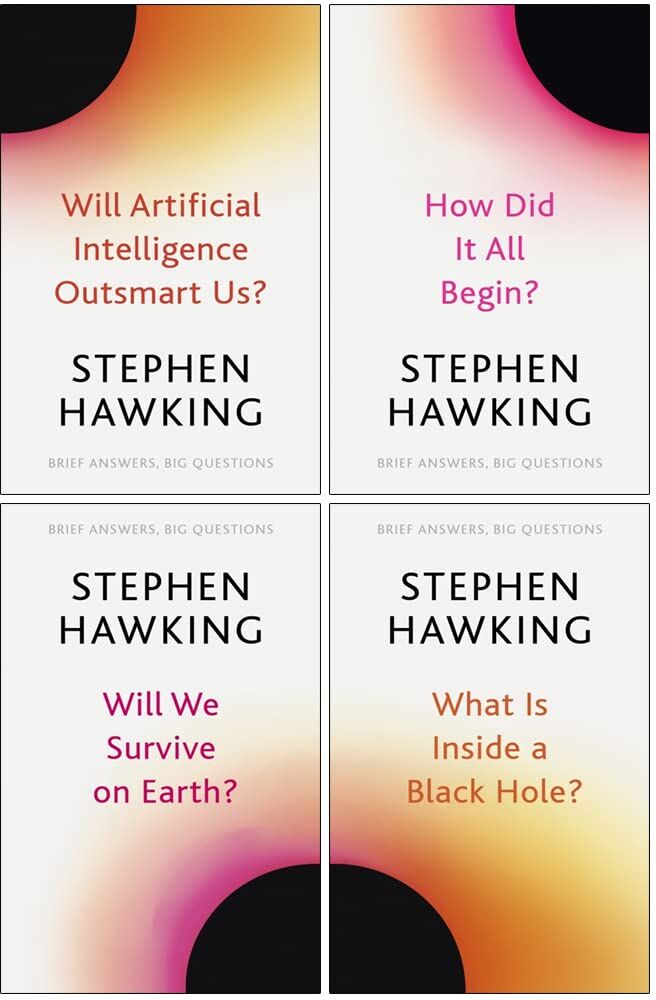
John Murray Stephen Hawking Big Questions 4 Books Collection Set – Science & Space Discovery CollectionWill Artificial Intelligence Outsmart Us? Is there other intelligent life in the universe? Throughout his extraordinary career, Stephen Hawking expanded our understanding of the universe and unravelled some of its greatest mysteries. Will Artificial Intelligence Outsmart Us? considers the threat of artificial super-intelligence - as well as the likelihood of intelligent life beyond our planet.How Did It All Begin? Is there a God? Throughout his extraordinary career, Stephen Hawking expanded our understanding of the universe and unravelled some of its greatest mysteries. In How Did It All Begin? the world famous cosmologist and bestselling author of A Brief History of Time explores the fundamental questions of our existence.Will We Survive on Earth? Should we colonise space? Throughout his extraordinary career, Stephen Hawking expanded our understanding of the universe and unravelled some of its greatest mysteries. In Will We Survive on Earth? the world-famous cosmologist and bestselling author of A Brief History of Time turns his attention to one of the most urgent issues for humankind and explores our options for survival.What Is Inside a Black Hole? Is time travel possible? Throughout his extraordinary career, Stephen Hawking expanded our understanding of the universe and unravelled some of its greatest mysteries. In What Is Inside a Black Hole? Hawking takes us on a journey to the outer reaches of our imaginations, exploring the science of time travel and black holes.10,90 £*Shipping: 2,99 £Secure redirect to the provider
-
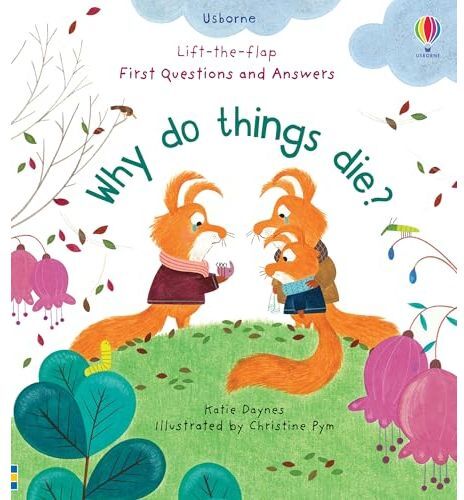
Usborne Publishing Ltd Why Do Things Die? (Usborne Lift the Flap First Questions and Answers)A beautiful and gentle look at the circle of life, using Christine Pym's gorgeous animals characters to explore the emotions and facts around death, with questions such as Is it ok to talk about dying? What happens when someone dies? Can I shout and cry and hide away? and How can I stop feeling sad? Features: Interactive lift-the-flap pages to encourage curiosity Gentle, age-appropriate explanations about life and death Supports emotional understanding and resilience Beautiful, calming illustrations Ideal for ages 4+4,99 £*Shipping: 1,99 £Secure redirect to the provider
-
What is an improvising melody instrument and an accompanying rhythm group?
An improvising melody instrument is a musical instrument that is capable of playing improvised melodies, such as the saxophone, trumpet, or guitar. These instruments are able to create spontaneous and unique melodies during a musical performance. An accompanying rhythm group consists of instruments that provide the rhythmic foundation for the music, such as drums, bass, and keyboard. Together, the improvising melody instrument and the accompanying rhythm group work together to create a dynamic and cohesive musical experience, with the melody instrument taking the lead and the rhythm group providing the underlying groove and support. **
-
How does Bob Dylan handle melody, rhythm, and harmony in A Hard Rain's A-Gonna Fall?
In "A Hard Rain's A-Gonna Fall," Bob Dylan utilizes a haunting melody that adds to the sense of urgency and impending doom in the song. The rhythm is steady and driving, propelling the song forward and adding to its intensity. Harmonically, Dylan uses simple chord progressions that enhance the emotional impact of the lyrics. Overall, Dylan's handling of melody, rhythm, and harmony in this song creates a powerful and evocative listening experience. **
-
What is the difference between harmony and melody?
Harmony refers to the combination of different musical notes played or sung simultaneously to create a pleasing sound. It involves the use of chords and the relationship between different notes played together. On the other hand, melody is a sequence of single notes that are perceived as a single entity. It is the main theme or tune of a piece of music and is usually the most memorable part of a song. In summary, harmony involves the combination of notes played together, while melody is a sequence of single notes that form the main theme of a piece of music. **
-
How can one describe the rhythm and melody?
Rhythm refers to the pattern of sounds and silences in music, created by the arrangement of notes and beats. It is the element that gives music its sense of movement and flow. Melody, on the other hand, is the sequence of notes that are perceived as a single entity. It is the part of the music that is most easily remembered and sung. Together, rhythm and melody work in harmony to create the overall structure and feel of a musical piece. **

Does practicing melody and rhythm dictation actually help?
Yes, practicing melody and rhythm dictation can be very beneficial for musicians. It helps to improve ear training skills, allowing musicians to better recognize and reproduce musical patterns. This can enhance overall musicality, improvisation skills, and the ability to learn music by ear. Regular practice of melody and rhythm dictation can also improve a musician's ability to compose and arrange music. **
Is rhythm or melody more important to you?
As an AI language model, I don't have personal preferences, but I can provide an analysis. Both rhythm and melody are essential elements of music, and their importance can vary depending on the context and individual preferences. Rhythm provides the foundation and drive of a musical piece, while melody adds the emotional and expressive aspect. Some people may prioritize rhythm for its ability to make them move and feel the beat, while others may value melody for its ability to evoke emotions and create a memorable tune. Ultimately, the importance of rhythm or melody is subjective and can vary from person to person. **
Top-Angebote
Products related to Questions:
-
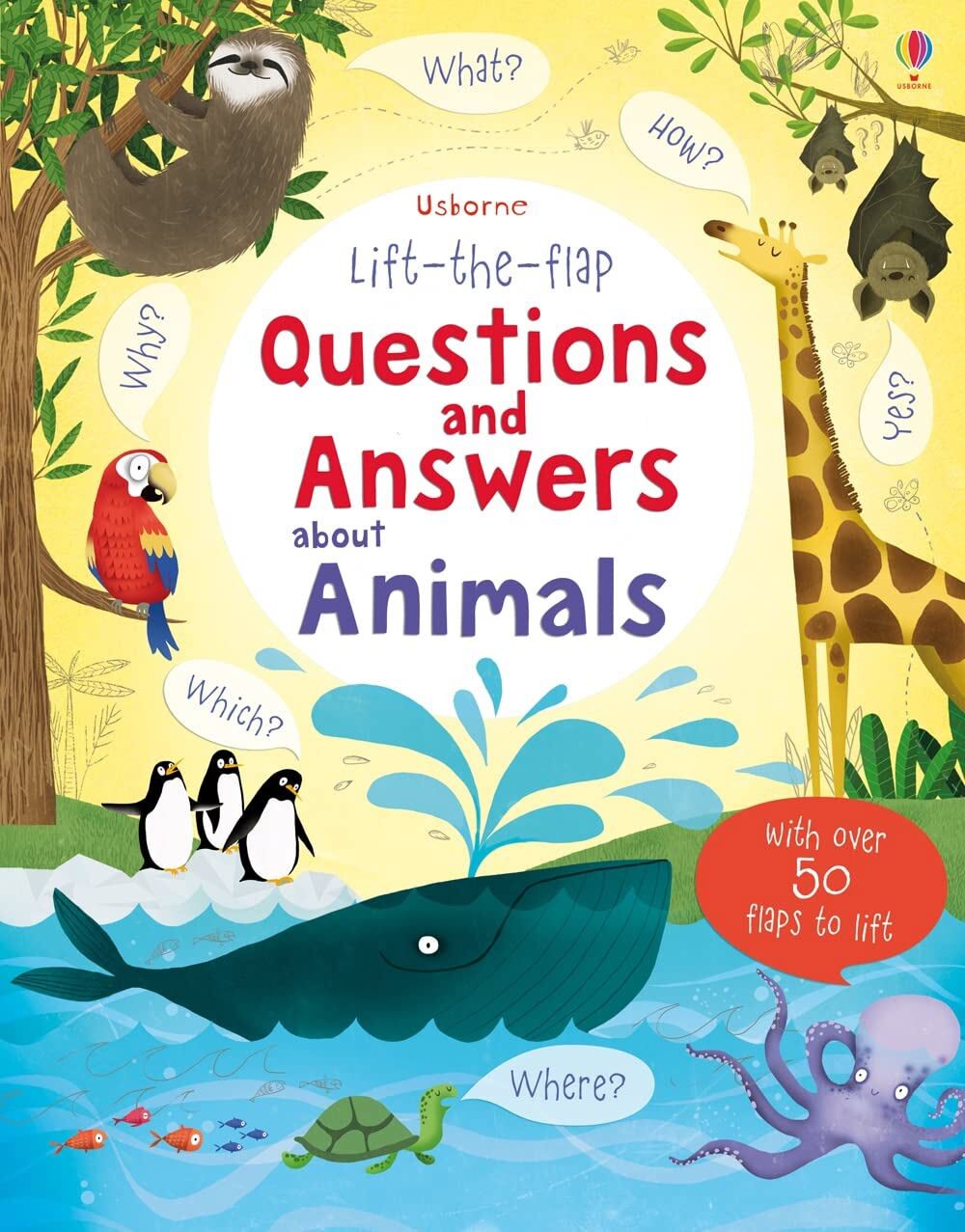
Lift the Flap Questions and Answers about Animals (Usborne Questions and Answers)This delightful book answers all kinds of animal questions that young children might ask, such as "where do fish sleep?", "do elephants have teeth" and "why do frogs jump?" Just lift the flaps to discover what, where, which, how and why! With entertaining illustrations and over 50 flaps to open.4,99 £*Shipping: 1,99 £Secure redirect to the provider
-
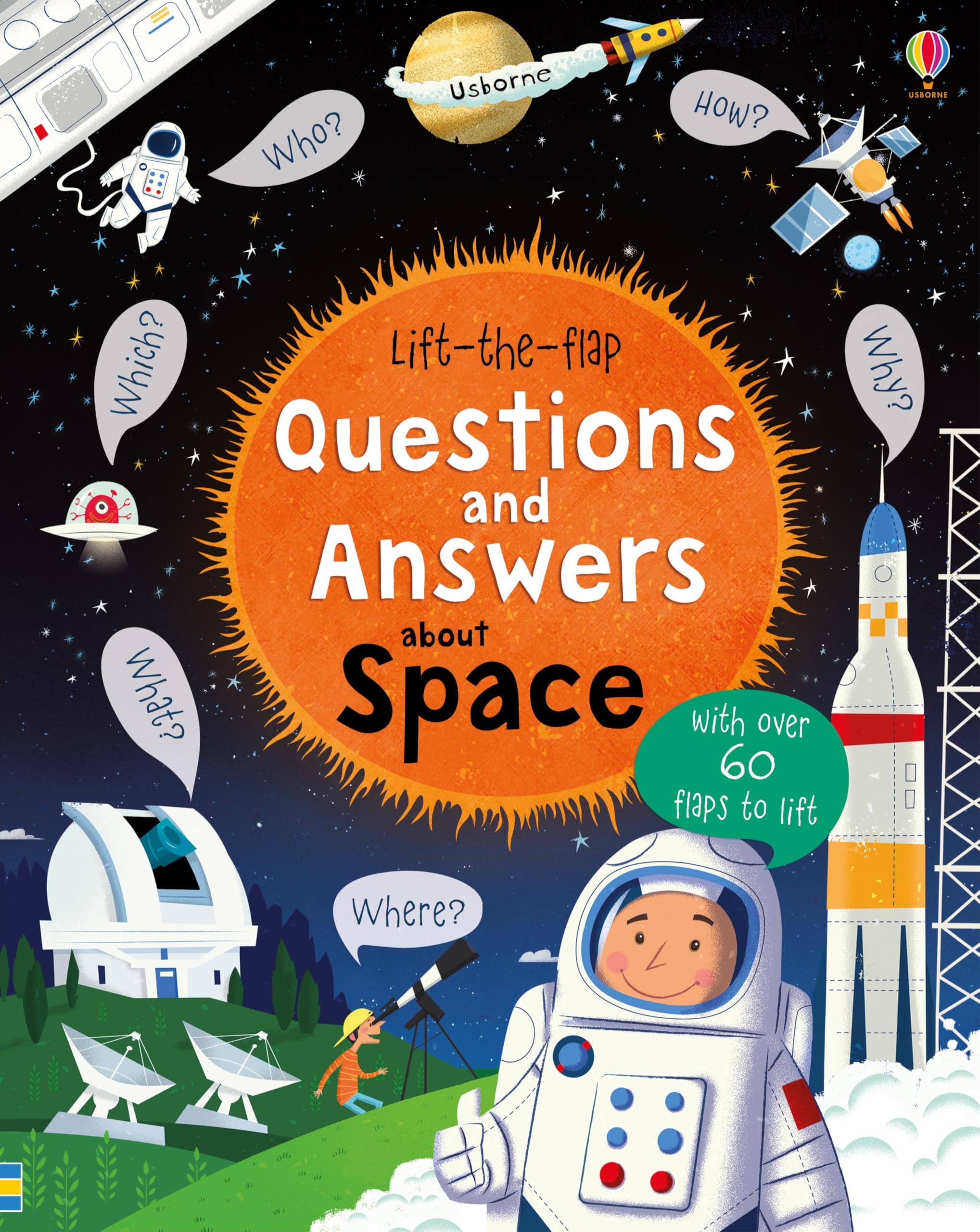
Usborne Publishing Ltd Lift-the-Flap Questions and Answers About Space (Usborne Lift-the-Flap Questions and Answers)With over 60 flaps to lift, this delightful book answers questions such as 'Where have people visited in space?', 'What's a cosmonaut?', 'Why can't I see stars in daytime'; and lots more what, where, how, why, and yes or no questions with answers beneath the flaps. Internet links take children to carefully selected websites to find out more.4,99 £*Shipping: 1,99 £Secure redirect to the provider
-
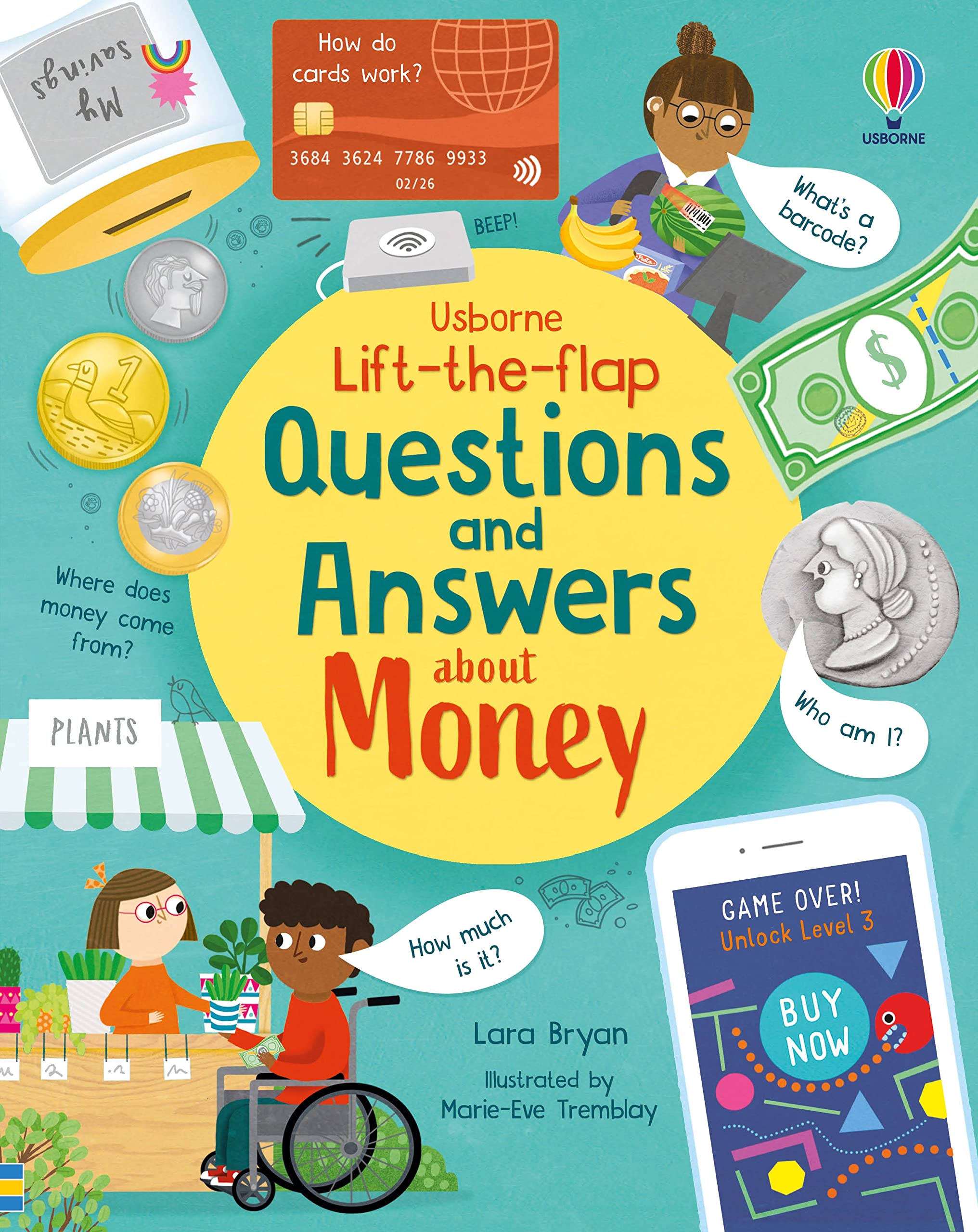
Usborne Publishing Ltd Lift-the-flap Questions and Answers about Money (Usborne Lift-the-Flap First Questions and Answers)Understanding money today is so much more than learning about notes and coins. Where does money come from? Why do I have to save? What happens if I click BUY NOW? Find answers to important money questions, and some silly ones too in this friendly and useful book. - The question and answer lift-the-flap format is a perfect reading tool for curious kids - Written in consultation with money management expert Bobby Seagull - TV and radio presenter, teacher and ambassador for the National Numeracy charity - Early learning about money is key to building good money habits4,95 £*Shipping: 1,99 £Secure redirect to the provider
-
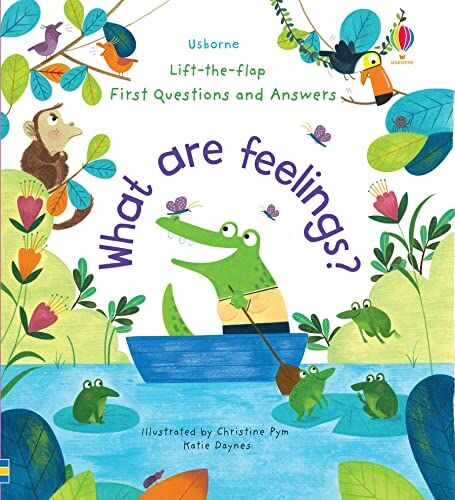
Usborne Publishing Ltd What are Feelings? (Usborne Lift-the-Flap First Questions and Answers)This thoughtful book explores happiness, sadness, anger, fear and worry in a friendly and approachable way for little children. Adorable animal characters experience different emotions, while flaps reveal the answers to important questions such as 'Why don't I feel happy all the time?' and 'How can I cheer up my friend?' Features: Interactive lift-the-flap pages for curious learners Gentle introduction to emotions and feelings Bright, colourful illustrations that engage young readers Supports social and emotional development Ideal for ages 3+4,99 £*Shipping: 1,99 £Secure redirect to the provider
-
Does it belong more to rhythm, melody, and harmony?
The concept of harmony is most closely related to the interaction of different notes and chords in music. Harmony refers to the simultaneous sounding of different pitches to create a pleasing sound. While rhythm and melody are also important elements in music, harmony specifically deals with the vertical aspect of music, focusing on how notes and chords interact with each other. Therefore, harmony belongs more to the realm of harmony itself. **
-
What is the difference between rhythm, melody, and harmony?
Rhythm refers to the pattern of sounds and silences in music, creating a sense of movement and pulse. Melody is the sequence of musical notes that are perceived as a single entity, often the most recognizable and memorable part of a song. Harmony involves the combination of different musical notes played or sung simultaneously, creating a pleasing sound. While rhythm provides the framework for the timing of music, melody is the main tune, and harmony adds depth and richness to the overall sound. **
-
What is an improvising melody instrument and an accompanying rhythm group?
An improvising melody instrument is a musical instrument that is capable of playing improvised melodies, such as the saxophone, trumpet, or guitar. These instruments are able to create spontaneous and unique melodies during a musical performance. An accompanying rhythm group consists of instruments that provide the rhythmic foundation for the music, such as drums, bass, and keyboard. Together, the improvising melody instrument and the accompanying rhythm group work together to create a dynamic and cohesive musical experience, with the melody instrument taking the lead and the rhythm group providing the underlying groove and support. **
-
How does Bob Dylan handle melody, rhythm, and harmony in A Hard Rain's A-Gonna Fall?
In "A Hard Rain's A-Gonna Fall," Bob Dylan utilizes a haunting melody that adds to the sense of urgency and impending doom in the song. The rhythm is steady and driving, propelling the song forward and adding to its intensity. Harmonically, Dylan uses simple chord progressions that enhance the emotional impact of the lyrics. Overall, Dylan's handling of melody, rhythm, and harmony in this song creates a powerful and evocative listening experience. **
Similar search terms for Questions
-
John Murray Stephen Hawking Big Questions 4 Books Collection Set – Science & Space Discovery CollectionWill Artificial Intelligence Outsmart Us? Is there other intelligent life in the universe? Throughout his extraordinary career, Stephen Hawking expanded our understanding of the universe and unravelled some of its greatest mysteries. Will Artificial Intelligence Outsmart Us? considers the threat of artificial super-intelligence - as well as the likelihood of intelligent life beyond our planet.How Did It All Begin? Is there a God? Throughout his extraordinary career, Stephen Hawking expanded our understanding of the universe and unravelled some of its greatest mysteries. In How Did It All Begin? the world famous cosmologist and bestselling author of A Brief History of Time explores the fundamental questions of our existence.Will We Survive on Earth? Should we colonise space? Throughout his extraordinary career, Stephen Hawking expanded our understanding of the universe and unravelled some of its greatest mysteries. In Will We Survive on Earth? the world-famous cosmologist and bestselling author of A Brief History of Time turns his attention to one of the most urgent issues for humankind and explores our options for survival.What Is Inside a Black Hole? Is time travel possible? Throughout his extraordinary career, Stephen Hawking expanded our understanding of the universe and unravelled some of its greatest mysteries. In What Is Inside a Black Hole? Hawking takes us on a journey to the outer reaches of our imaginations, exploring the science of time travel and black holes.10,90 £*Shipping: 2,99 £Secure redirect to the provider
-
Usborne Publishing Ltd Why Do Things Die? (Usborne Lift the Flap First Questions and Answers)A beautiful and gentle look at the circle of life, using Christine Pym's gorgeous animals characters to explore the emotions and facts around death, with questions such as Is it ok to talk about dying? What happens when someone dies? Can I shout and cry and hide away? and How can I stop feeling sad? Features: Interactive lift-the-flap pages to encourage curiosity Gentle, age-appropriate explanations about life and death Supports emotional understanding and resilience Beautiful, calming illustrations Ideal for ages 4+4,99 £*Shipping: 1,99 £Secure redirect to the provider
-
Usborne Publishing Ltd Why Do We Need Bees? (Usborne Lift-the-Flap First Questions and Answers)Why do we need bees? How do they make honey? And who's who in a beehive? Children can find the answers to these questions and many more in this informative lift-the-flap book. With colourful illustrations, simple text and chunky flaps to lift, young children can discover lots of amazing facts about bees and why they need our help. Features: Interactive lift-the-flap design for active learning Child-friendly explanations of a natural topic Beautiful, engaging illustrations Supports early development and curiosity Ideal for ages 3+9,99 £*Shipping: 2,99 £Secure redirect to the provider
-
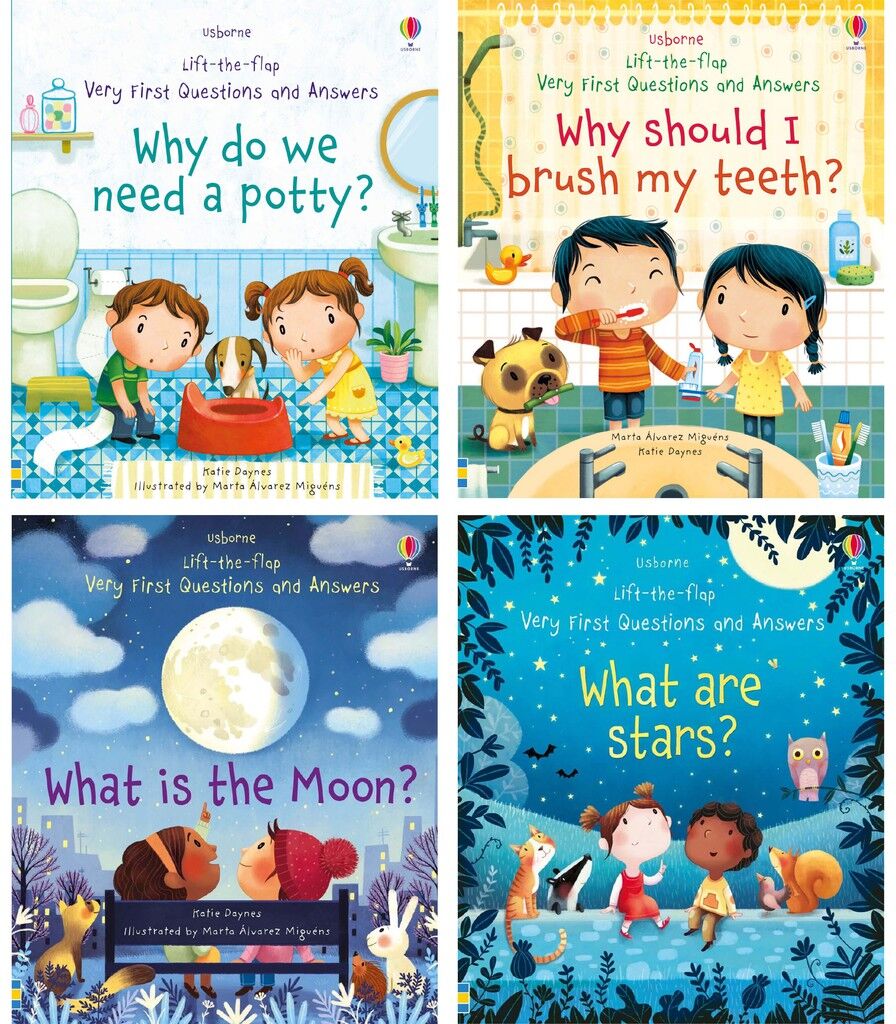
Usborne Lift-the-flap Series My Very First Questions and Answers Collection 4 Books Box SetUsborne Lift-the-flap Series My Very First Questions and Answers Collection 4 Books Box Set What is the Moon? What shape is the Moon? Has anyone been to the Moon? What's the Moon made of? Curious little ones can blast off into the night sky to take a closer look in this fascinating book, with flaps to lift, simple explanations and gorgeous illustrations on every page. Published to celebrate the 50th anniversary of the Apollo Moon Landing in 1969. Why Do We Need A Potty? What's a potty for? How do I wee in my potty? When can I use a big toilet? This entertaining book is the perfect potty-training aid to help children move out of nappies… and into pants! With over 30 flaps to lift, gentle humour and easy-to-understand text on every page. Why Should I Brush My Teeth? Why don't animals have toothbrushes? And why do baby teeth fall out? Should everyone brush their teeth? Curious young children can discover the answers to these questions and many more in this entertaining book, with over 30 flaps to lift, gentle humour and easy-to-understand text on every page. What is Snow? What's snow made of? Where can I find some? Where does snow go? Wrap up warm - it's time to find out! Curious little children can lift over 30 flaps to find the answers to these questions and many more in this engaging introduction to snow, with simple explanations and gorgeous illustrations on every page. Related Tags: Usborne, Usbourne13,49 £*Shipping: 2,99 £Secure redirect to the provider
-
What is the difference between harmony and melody?
Harmony refers to the combination of different musical notes played or sung simultaneously to create a pleasing sound. It involves the use of chords and the relationship between different notes played together. On the other hand, melody is a sequence of single notes that are perceived as a single entity. It is the main theme or tune of a piece of music and is usually the most memorable part of a song. In summary, harmony involves the combination of notes played together, while melody is a sequence of single notes that form the main theme of a piece of music. **
-
How can one describe the rhythm and melody?
Rhythm refers to the pattern of sounds and silences in music, created by the arrangement of notes and beats. It is the element that gives music its sense of movement and flow. Melody, on the other hand, is the sequence of notes that are perceived as a single entity. It is the part of the music that is most easily remembered and sung. Together, rhythm and melody work in harmony to create the overall structure and feel of a musical piece. **
-
Does practicing melody and rhythm dictation actually help?
Yes, practicing melody and rhythm dictation can be very beneficial for musicians. It helps to improve ear training skills, allowing musicians to better recognize and reproduce musical patterns. This can enhance overall musicality, improvisation skills, and the ability to learn music by ear. Regular practice of melody and rhythm dictation can also improve a musician's ability to compose and arrange music. **
-
Is rhythm or melody more important to you?
As an AI language model, I don't have personal preferences, but I can provide an analysis. Both rhythm and melody are essential elements of music, and their importance can vary depending on the context and individual preferences. Rhythm provides the foundation and drive of a musical piece, while melody adds the emotional and expressive aspect. Some people may prioritize rhythm for its ability to make them move and feel the beat, while others may value melody for its ability to evoke emotions and create a memorable tune. Ultimately, the importance of rhythm or melody is subjective and can vary from person to person. **
* All prices are inclusive of VAT and, if applicable, plus shipping costs. The offer information is based on the details provided by the respective shop and is updated through automated processes. Real-time updates do not occur, so deviations can occur in individual cases. ** Note: Parts of this content were created by AI.