Buy musicin.eu ?
We are moving the project
musicin.eu .
Are you interested in purchasing the domain
musicin.eu ?
domain@kv-gmbh.de · 0541-91531010
Buy musicin.eu ?
Does it belong more to rhythm, melody, and harmony?
The concept of harmony is most closely related to the interaction of different notes and chords in music. Harmony refers to the simultaneous sounding of different pitches to create a pleasing sound. While rhythm and melody are also important elements in music, harmony specifically deals with the vertical aspect of music, focusing on how notes and chords interact with each other. Therefore, harmony belongs more to the realm of harmony itself. **
What is the difference between rhythm, melody, and harmony?
Rhythm refers to the pattern of sounds and silences in music, creating a sense of movement and pulse. Melody is the sequence of musical notes that are perceived as a single entity, often the most recognizable and memorable part of a song. Harmony involves the combination of different musical notes played or sung simultaneously, creating a pleasing sound. While rhythm provides the framework for the timing of music, melody is the main tune, and harmony adds depth and richness to the overall sound. **

Similar search terms for Through
Top-Angebote
Products related to Through:
-
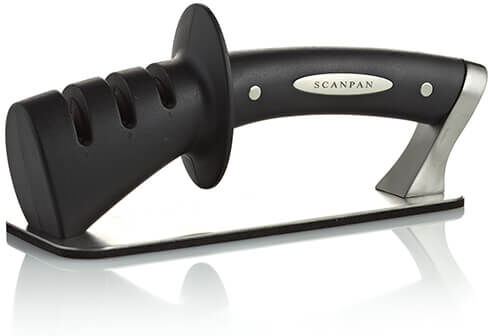
Scanpan Classic 3-Stage Pull-Through Knife SharpenerRegrind, sharpen and polish your blade edge with the Scanpan Classic Diamond Sharpening Steel. Contains: tungsten, diamond and ceramic sections, a three step process to sharper and well maintained kitchen knives. Perfect for the Scanpan knife range.It is always necessary to sharpen knives regularly. It is important to maintain and sharpen your knives, which actually improves safety and makes it easier, faster and more enjoyable to cook. With the Scanpan Classic 3-Stage Pull-Through Knife Sharpener, you can keep your knives sharp and useful for many years to come.44,10 £*Shipping: 3,50 £Secure redirect to the provider
-
Ubiquiti UniFi Cat6 Pass-Through Keystone Coupler 12-PackA 12-pack of Ubiquiti UniFi pass-through Cat6 keystone couplers. Each coupler joins two pre-terminated RJ45 Ethernet cables and snaps into a standard keystone patch panel or wall plate, so runs can be extended or tidied without re-terminating. Compatible with UniFi keystone patch panels.40,99 £*Shipping: 0,00 £Secure redirect to the provider
-
Ubiquiti UniFi Cat6A Pass-Through Keystone Coupler 12-PackA 12-pack of Ubiquiti UniFi pass-through Cat6A keystone couplers. Each coupler joins two pre-terminated RJ45 Ethernet cables and snaps into a standard keystone patch panel or wall plate, so runs can be extended or tidied without re-terminating. Compatible with UniFi keystone patch panels.49,99 £*Shipping: 0,00 £Secure redirect to the provider



-
What is an improvising melody instrument and an accompanying rhythm group?
An improvising melody instrument is a musical instrument that is capable of playing improvised melodies, such as the saxophone, trumpet, or guitar. These instruments are able to create spontaneous and unique melodies during a musical performance. An accompanying rhythm group consists of instruments that provide the rhythmic foundation for the music, such as drums, bass, and keyboard. Together, the improvising melody instrument and the accompanying rhythm group work together to create a dynamic and cohesive musical experience, with the melody instrument taking the lead and the rhythm group providing the underlying groove and support. **
-
How does Bob Dylan handle melody, rhythm, and harmony in A Hard Rain's A-Gonna Fall?
In "A Hard Rain's A-Gonna Fall," Bob Dylan utilizes a haunting melody that adds to the sense of urgency and impending doom in the song. The rhythm is steady and driving, propelling the song forward and adding to its intensity. Harmonically, Dylan uses simple chord progressions that enhance the emotional impact of the lyrics. Overall, Dylan's handling of melody, rhythm, and harmony in this song creates a powerful and evocative listening experience. **
-
What is the difference between harmony and melody?
Harmony refers to the combination of different musical notes played or sung simultaneously to create a pleasing sound. It involves the use of chords and the relationship between different notes played together. On the other hand, melody is a sequence of single notes that are perceived as a single entity. It is the main theme or tune of a piece of music and is usually the most memorable part of a song. In summary, harmony involves the combination of notes played together, while melody is a sequence of single notes that form the main theme of a piece of music. **
-
How can one go through to change the sleep rhythm?
To change your sleep rhythm, it's important to establish a consistent sleep schedule by going to bed and waking up at the same time every day, even on weekends. It's also helpful to create a relaxing bedtime routine, such as reading or taking a warm bath, to signal to your body that it's time to wind down. Limiting exposure to screens and bright lights before bed can also help regulate your sleep-wake cycle. Additionally, incorporating regular exercise into your daily routine and avoiding caffeine and heavy meals close to bedtime can contribute to better sleep patterns. **


How can one describe the rhythm and melody?
Rhythm refers to the pattern of sounds and silences in music, created by the arrangement of notes and beats. It is the element that gives music its sense of movement and flow. Melody, on the other hand, is the sequence of notes that are perceived as a single entity. It is the part of the music that is most easily remembered and sung. Together, rhythm and melody work in harmony to create the overall structure and feel of a musical piece. **
Does practicing melody and rhythm dictation actually help?
Yes, practicing melody and rhythm dictation can be very beneficial for musicians. It helps to improve ear training skills, allowing musicians to better recognize and reproduce musical patterns. This can enhance overall musicality, improvisation skills, and the ability to learn music by ear. Regular practice of melody and rhythm dictation can also improve a musician's ability to compose and arrange music. **
Top-Angebote
Products related to Through:
-
Sabatier Two Stage Draw Through Knife SharpenerThe Sabatier Knife Sharpener is ideal for use at home for sharpening your favourite steel knives. The knife sharpener features two slots; the coarse slot is perfect for dull knives and the fine slot is honing and maintaining blades. The ergonomic handle of the knife sharpener has a soft touch and provides a firm and comfortable grip. Dimensions: 12.5 x 13 x 6cm.15,99 £*Shipping: 3,50 £Secure redirect to the provider
-
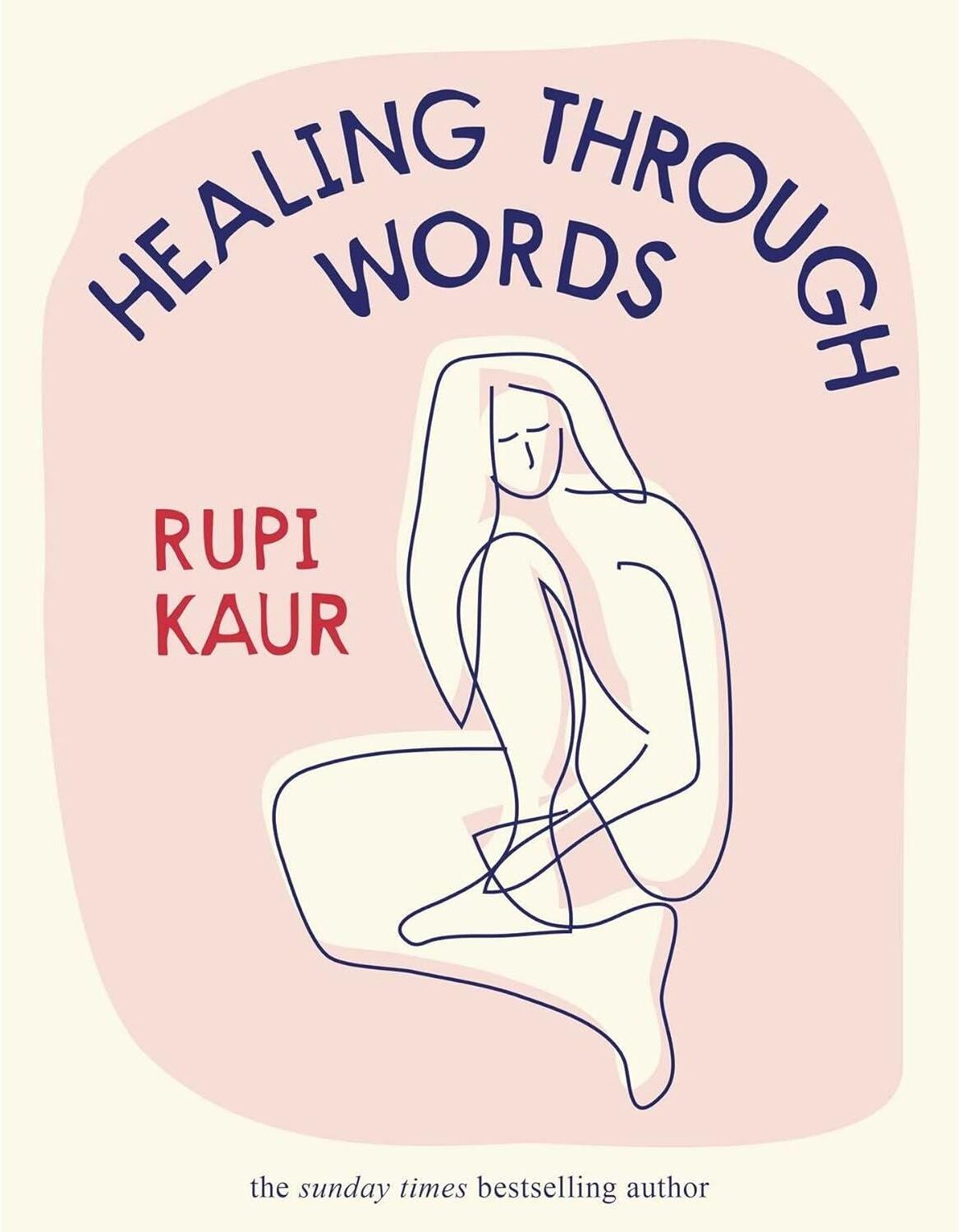
Simon & Schuster Healing Through Words by Rupi KaurHealing Through Words is a guided tour on the journey back to the self, a cathartic and mindful exploration through writing. This carefully curated collection of exercises asks only that you be vulnerable and honest, both with yourself and the page. You don’t need to be a writer to take this walk; you just need to write – that’s all.10,99 £*Shipping: 2,99 £Secure redirect to the provider
-
Scanpan Classic 3-Stage Pull-Through Knife SharpenerRegrind, sharpen and polish your blade edge with the Scanpan Classic Diamond Sharpening Steel. Contains: tungsten, diamond and ceramic sections, a three step process to sharper and well maintained kitchen knives. Perfect for the Scanpan knife range.It is always necessary to sharpen knives regularly. It is important to maintain and sharpen your knives, which actually improves safety and makes it easier, faster and more enjoyable to cook. With the Scanpan Classic 3-Stage Pull-Through Knife Sharpener, you can keep your knives sharp and useful for many years to come.44,10 £*Shipping: 3,50 £Secure redirect to the provider
-
Does it belong more to rhythm, melody, and harmony?
The concept of harmony is most closely related to the interaction of different notes and chords in music. Harmony refers to the simultaneous sounding of different pitches to create a pleasing sound. While rhythm and melody are also important elements in music, harmony specifically deals with the vertical aspect of music, focusing on how notes and chords interact with each other. Therefore, harmony belongs more to the realm of harmony itself. **
-
What is the difference between rhythm, melody, and harmony?
Rhythm refers to the pattern of sounds and silences in music, creating a sense of movement and pulse. Melody is the sequence of musical notes that are perceived as a single entity, often the most recognizable and memorable part of a song. Harmony involves the combination of different musical notes played or sung simultaneously, creating a pleasing sound. While rhythm provides the framework for the timing of music, melody is the main tune, and harmony adds depth and richness to the overall sound. **
-
What is an improvising melody instrument and an accompanying rhythm group?
An improvising melody instrument is a musical instrument that is capable of playing improvised melodies, such as the saxophone, trumpet, or guitar. These instruments are able to create spontaneous and unique melodies during a musical performance. An accompanying rhythm group consists of instruments that provide the rhythmic foundation for the music, such as drums, bass, and keyboard. Together, the improvising melody instrument and the accompanying rhythm group work together to create a dynamic and cohesive musical experience, with the melody instrument taking the lead and the rhythm group providing the underlying groove and support. **
-
How does Bob Dylan handle melody, rhythm, and harmony in A Hard Rain's A-Gonna Fall?
In "A Hard Rain's A-Gonna Fall," Bob Dylan utilizes a haunting melody that adds to the sense of urgency and impending doom in the song. The rhythm is steady and driving, propelling the song forward and adding to its intensity. Harmonically, Dylan uses simple chord progressions that enhance the emotional impact of the lyrics. Overall, Dylan's handling of melody, rhythm, and harmony in this song creates a powerful and evocative listening experience. **
Similar search terms for Through
-
Ubiquiti UniFi Cat6 Pass-Through Keystone Coupler 12-PackA 12-pack of Ubiquiti UniFi pass-through Cat6 keystone couplers. Each coupler joins two pre-terminated RJ45 Ethernet cables and snaps into a standard keystone patch panel or wall plate, so runs can be extended or tidied without re-terminating. Compatible with UniFi keystone patch panels.40,99 £*Shipping: 0,00 £Secure redirect to the provider
-
Ubiquiti UniFi Cat6A Pass-Through Keystone Coupler 12-PackA 12-pack of Ubiquiti UniFi pass-through Cat6A keystone couplers. Each coupler joins two pre-terminated RJ45 Ethernet cables and snaps into a standard keystone patch panel or wall plate, so runs can be extended or tidied without re-terminating. Compatible with UniFi keystone patch panels.49,99 £*Shipping: 0,00 £Secure redirect to the provider
-
Usborne Little Peep Through 3 Books Box Set CollectionUsborne Little Peep Through 3 Books Box Set Collection Titles in the Set Are you there little unicorn?; Are You There Little Fox?; Are You There Little Tiger? Description Are you there little unicorn? Little unicorn is hiding! Very young children will love peeping through the holes and touching the textured pages in this magical hide-and-seek board book; spotting mermaids; fairies and dragons along the way. Part of a gorgeous series for babies and toddlers; perfect for fans of Thats not my. Are You There Little Fox? Little fox is hiding! Very young children will love peeping through the holes and touching the textured pages in this autumnal hide-and-seek board book; spotting a bear; squirrel and other animals as they search for the elusive little fox. A gorgeous book to share with babies and toddlers. Are You There Little Tiger? Little tiger is hiding! Very young children will love peeping through the holes and touching the textured pages in this beautiful hide-and-seek board book; spotting monkeys; bears and chameleons along the way. Part of a gorgeous series for babies and toddlers. Related Tags: Usborne, Usbourne8,99 £*Shipping: 2,99 £Secure redirect to the provider
-
What is the difference between harmony and melody?
Harmony refers to the combination of different musical notes played or sung simultaneously to create a pleasing sound. It involves the use of chords and the relationship between different notes played together. On the other hand, melody is a sequence of single notes that are perceived as a single entity. It is the main theme or tune of a piece of music and is usually the most memorable part of a song. In summary, harmony involves the combination of notes played together, while melody is a sequence of single notes that form the main theme of a piece of music. **
-
How can one go through to change the sleep rhythm?
To change your sleep rhythm, it's important to establish a consistent sleep schedule by going to bed and waking up at the same time every day, even on weekends. It's also helpful to create a relaxing bedtime routine, such as reading or taking a warm bath, to signal to your body that it's time to wind down. Limiting exposure to screens and bright lights before bed can also help regulate your sleep-wake cycle. Additionally, incorporating regular exercise into your daily routine and avoiding caffeine and heavy meals close to bedtime can contribute to better sleep patterns. **
-
How can one describe the rhythm and melody?
Rhythm refers to the pattern of sounds and silences in music, created by the arrangement of notes and beats. It is the element that gives music its sense of movement and flow. Melody, on the other hand, is the sequence of notes that are perceived as a single entity. It is the part of the music that is most easily remembered and sung. Together, rhythm and melody work in harmony to create the overall structure and feel of a musical piece. **
-
Does practicing melody and rhythm dictation actually help?
Yes, practicing melody and rhythm dictation can be very beneficial for musicians. It helps to improve ear training skills, allowing musicians to better recognize and reproduce musical patterns. This can enhance overall musicality, improvisation skills, and the ability to learn music by ear. Regular practice of melody and rhythm dictation can also improve a musician's ability to compose and arrange music. **
* All prices are inclusive of VAT and, if applicable, plus shipping costs. The offer information is based on the details provided by the respective shop and is updated through automated processes. Real-time updates do not occur, so deviations can occur in individual cases. ** Note: Parts of this content were created by AI.