Buy musicin.eu ?
We are moving the project
musicin.eu .
Are you interested in purchasing the domain
musicin.eu ?
domain@kv-gmbh.de · 0541-91531010
Buy musicin.eu ?
Does it belong more to rhythm, melody, and harmony?
The concept of harmony is most closely related to the interaction of different notes and chords in music. Harmony refers to the simultaneous sounding of different pitches to create a pleasing sound. While rhythm and melody are also important elements in music, harmony specifically deals with the vertical aspect of music, focusing on how notes and chords interact with each other. Therefore, harmony belongs more to the realm of harmony itself. **
What is the difference between rhythm, melody, and harmony?
Rhythm refers to the pattern of sounds and silences in music, creating a sense of movement and pulse. Melody is the sequence of musical notes that are perceived as a single entity, often the most recognizable and memorable part of a song. Harmony involves the combination of different musical notes played or sung simultaneously, creating a pleasing sound. While rhythm provides the framework for the timing of music, melody is the main tune, and harmony adds depth and richness to the overall sound. **


Similar search terms for Buddha
Top-Angebote
Products related to Buddha:
-
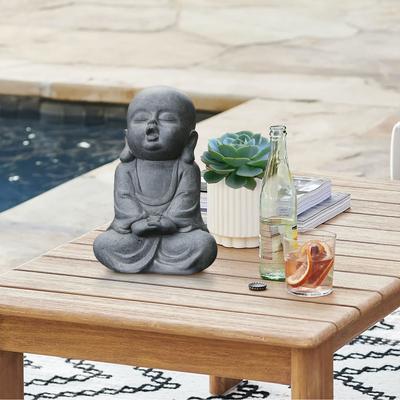
Hi-Line Gift Ltd. Sitting BuddhaGreat for indoor/outdoor Lovely decoration for garden Color: Rustic Brown This happy faced Buddha statue is a common symbol of joy, well-being and happiness in Feng Shui, and used to attract success and wealth.182,49 $*Shipping: 0,00 $Secure redirect to the provider


-
Who is Buddha?
Buddha, also known as Siddhartha Gautama, was a spiritual leader and teacher who lived in ancient India around the 6th century BCE. He is the founder of Buddhism, a major world religion that emphasizes the pursuit of enlightenment and the cessation of suffering. Buddha is revered as a wise and compassionate figure who achieved enlightenment and taught others how to find inner peace and liberation from the cycle of birth, death, and rebirth. His teachings, known as the Dharma, continue to inspire millions of people around the world to this day. **
-
Did Buddha really exist?
Yes, historical evidence suggests that Buddha, also known as Siddhartha Gautama, did exist. He was a spiritual teacher who lived in ancient India around the 6th century BCE. His teachings formed the foundation of Buddhism, a major world religion that continues to be practiced by millions of people today. While some details of his life may be debated, the general consensus among scholars is that Buddha was a real historical figure. **
-
Was Buddha an Indian?
Yes, Buddha was born in Lumbini, which is in present-day Nepal, but during his lifetime, the region was part of ancient India. Therefore, Buddha is often referred to as an Indian philosopher and spiritual leader. His teachings and influence spread throughout the Indian subcontinent and beyond, shaping the development of Buddhism as a major world religion. **
-
Did Buddha eat meat?
Buddha did eat meat, as it was a common practice in his time and region. However, he advocated for moderation and mindfulness in all aspects of life, including food consumption. He also emphasized the importance of compassion and non-harming, so he discouraged his followers from engaging in excessive or unnecessary killing of animals for food. Ultimately, the decision to eat meat or not was left to the individual's personal choice and ethical considerations. **
How did Buddha meditate?
Buddha meditated by practicing mindfulness and concentration. He would often sit in a cross-legged position, with his back straight, and focus on his breath or on a specific object. He would also practice walking meditation, where he would walk slowly and mindfully, paying attention to each step. Through these meditation practices, Buddha was able to cultivate a deep sense of awareness and insight into the nature of suffering and the path to liberation. **
What is an improvising melody instrument and an accompanying rhythm group?
An improvising melody instrument is a musical instrument that is capable of playing improvised melodies, such as the saxophone, trumpet, or guitar. These instruments are able to create spontaneous and unique melodies during a musical performance. An accompanying rhythm group consists of instruments that provide the rhythmic foundation for the music, such as drums, bass, and keyboard. Together, the improvising melody instrument and the accompanying rhythm group work together to create a dynamic and cohesive musical experience, with the melody instrument taking the lead and the rhythm group providing the underlying groove and support. **
Top-Angebote
Products related to Buddha:
-
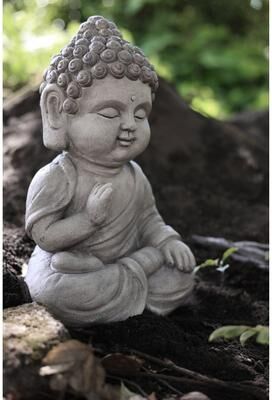
Kodotan sofa Magnesium Oxide Buddha Statue Weatherproof Buddha Sculpture Outdoor Garden Courtyard Decor OrnamentMade from high-quality magnesium oxide in a single-piece cast, it is sturdy yet lightweight, waterproof, freeze-resistant, and UV-resistant.147,49 $*Shipping: 0,00 $Secure redirect to the provider
-
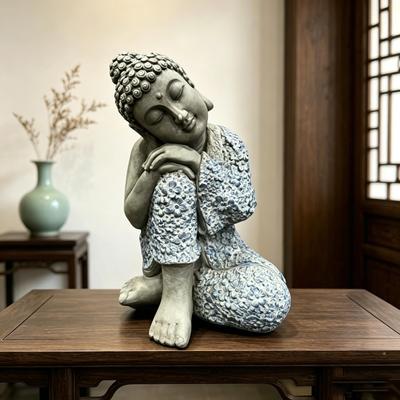
Kodotan sofa Oriental Zen Reclining Buddha Sculpture, 29'' Vintage Blue Porcelain Pattern Sleeping Buddha StatueThis sleeping Buddha statue features a serene peaceful facial expression, delicate carved hair curls and classic reclining pose resting its head on one palm.151,99 $*Shipping: 0,00 $Secure redirect to the provider
-
Hi-Line Gift Ltd. Sitting BuddhaGreat for indoor/outdoor Lovely decoration for garden Color: Rustic Brown This happy faced Buddha statue is a common symbol of joy, well-being and happiness in Feng Shui, and used to attract success and wealth.182,49 $*Shipping: 0,00 $Secure redirect to the provider
-
Does it belong more to rhythm, melody, and harmony?
The concept of harmony is most closely related to the interaction of different notes and chords in music. Harmony refers to the simultaneous sounding of different pitches to create a pleasing sound. While rhythm and melody are also important elements in music, harmony specifically deals with the vertical aspect of music, focusing on how notes and chords interact with each other. Therefore, harmony belongs more to the realm of harmony itself. **
-
What is the difference between rhythm, melody, and harmony?
Rhythm refers to the pattern of sounds and silences in music, creating a sense of movement and pulse. Melody is the sequence of musical notes that are perceived as a single entity, often the most recognizable and memorable part of a song. Harmony involves the combination of different musical notes played or sung simultaneously, creating a pleasing sound. While rhythm provides the framework for the timing of music, melody is the main tune, and harmony adds depth and richness to the overall sound. **
-
Who is Buddha?
Buddha, also known as Siddhartha Gautama, was a spiritual leader and teacher who lived in ancient India around the 6th century BCE. He is the founder of Buddhism, a major world religion that emphasizes the pursuit of enlightenment and the cessation of suffering. Buddha is revered as a wise and compassionate figure who achieved enlightenment and taught others how to find inner peace and liberation from the cycle of birth, death, and rebirth. His teachings, known as the Dharma, continue to inspire millions of people around the world to this day. **
-
Did Buddha really exist?
Yes, historical evidence suggests that Buddha, also known as Siddhartha Gautama, did exist. He was a spiritual teacher who lived in ancient India around the 6th century BCE. His teachings formed the foundation of Buddhism, a major world religion that continues to be practiced by millions of people today. While some details of his life may be debated, the general consensus among scholars is that Buddha was a real historical figure. **
Similar search terms for Buddha
-
Kodotan sofa "Serene Sleeping Buddha Statue, 16.34"" Tall Resin Meditating Buddha Figurine, Weatherproof Zen Decor for Patio"This beautifully crafted statue features a peaceful, resting Buddha pose, with eyes gently closed and a soft, tranquil expression.105,49 $*Shipping: 0,00 $Secure redirect to the provider
-
Was Buddha an Indian?
Yes, Buddha was born in Lumbini, which is in present-day Nepal, but during his lifetime, the region was part of ancient India. Therefore, Buddha is often referred to as an Indian philosopher and spiritual leader. His teachings and influence spread throughout the Indian subcontinent and beyond, shaping the development of Buddhism as a major world religion. **
-
Did Buddha eat meat?
Buddha did eat meat, as it was a common practice in his time and region. However, he advocated for moderation and mindfulness in all aspects of life, including food consumption. He also emphasized the importance of compassion and non-harming, so he discouraged his followers from engaging in excessive or unnecessary killing of animals for food. Ultimately, the decision to eat meat or not was left to the individual's personal choice and ethical considerations. **
-
How did Buddha meditate?
Buddha meditated by practicing mindfulness and concentration. He would often sit in a cross-legged position, with his back straight, and focus on his breath or on a specific object. He would also practice walking meditation, where he would walk slowly and mindfully, paying attention to each step. Through these meditation practices, Buddha was able to cultivate a deep sense of awareness and insight into the nature of suffering and the path to liberation. **
-
What is an improvising melody instrument and an accompanying rhythm group?
An improvising melody instrument is a musical instrument that is capable of playing improvised melodies, such as the saxophone, trumpet, or guitar. These instruments are able to create spontaneous and unique melodies during a musical performance. An accompanying rhythm group consists of instruments that provide the rhythmic foundation for the music, such as drums, bass, and keyboard. Together, the improvising melody instrument and the accompanying rhythm group work together to create a dynamic and cohesive musical experience, with the melody instrument taking the lead and the rhythm group providing the underlying groove and support. **
* All prices are inclusive of VAT and, if applicable, plus shipping costs. The offer information is based on the details provided by the respective shop and is updated through automated processes. Real-time updates do not occur, so deviations can occur in individual cases. ** Note: Parts of this content were created by AI.