Buy musicin.eu ?
We are moving the project
musicin.eu .
Are you interested in purchasing the domain
musicin.eu ?
domain@kv-gmbh.de · 0541-91531010
Buy musicin.eu ?
Does it belong more to rhythm, melody, and harmony?
The concept of harmony is most closely related to the interaction of different notes and chords in music. Harmony refers to the simultaneous sounding of different pitches to create a pleasing sound. While rhythm and melody are also important elements in music, harmony specifically deals with the vertical aspect of music, focusing on how notes and chords interact with each other. Therefore, harmony belongs more to the realm of harmony itself. **
What is the difference between rhythm, melody, and harmony?
Rhythm refers to the pattern of sounds and silences in music, creating a sense of movement and pulse. Melody is the sequence of musical notes that are perceived as a single entity, often the most recognizable and memorable part of a song. Harmony involves the combination of different musical notes played or sung simultaneously, creating a pleasing sound. While rhythm provides the framework for the timing of music, melody is the main tune, and harmony adds depth and richness to the overall sound. **


Similar search terms for Dealing
Top-Angebote
Products related to Dealing:
-
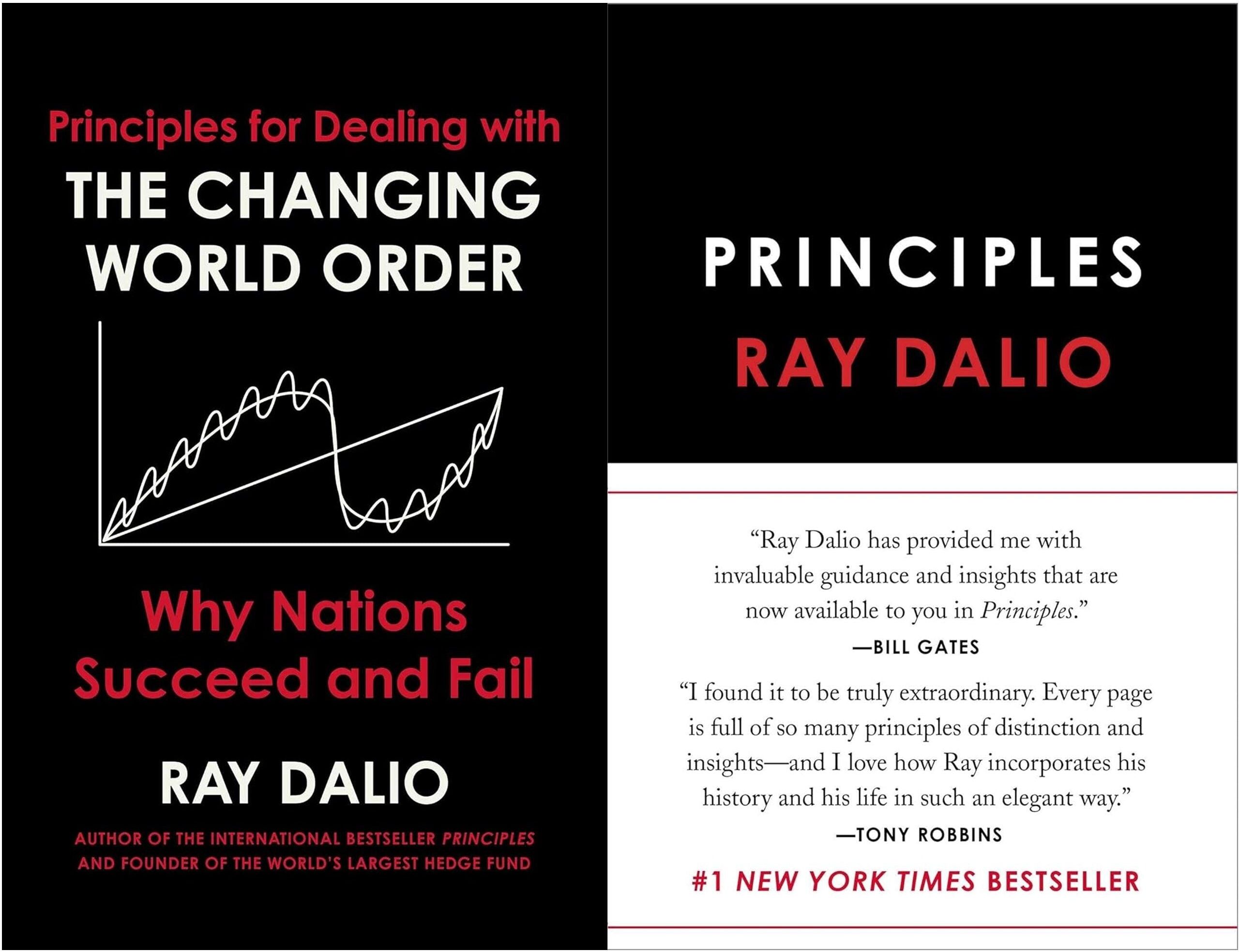
Simon & Schuster Principles and Principles for Dealing with the Changing World Order 2 Books Collection Set by Ray DalioRay Dalio Collection 2 Books Set (Principles Life and Work, Principles for Dealing with the Changing World Order): Principles Life and Work: In Principles, Dalio shares what he’s learned over the course of his remarkable career. He argues that life, management, economics, and investing can all be systemized into rules and understood like machines. The book’s hundreds of practical lessons, which are built around his cornerstones of “radical truth” and “radical transparency,” include Dalio laying out the most effective ways for individuals and organizations to make decisions, approach challenges, and build strong teams. Principles for Dealing with the Changing World Order: A few years ago, Ray Dalio noticed a confluence of political and economic conditions he hadn’t encountered before. They included huge debts and zero or near-zero interest rates that led to massive printing of money in the world’s three major reserve currencies; big political and social conflicts within countries, especially the US, due to the largest wealth, political and values disparities in more than 100 years; and the rising of a world power (China) to challenge the existing world power (US) and the existing world order.30,99 £*Shipping: 2,99 £Secure redirect to the provider
-
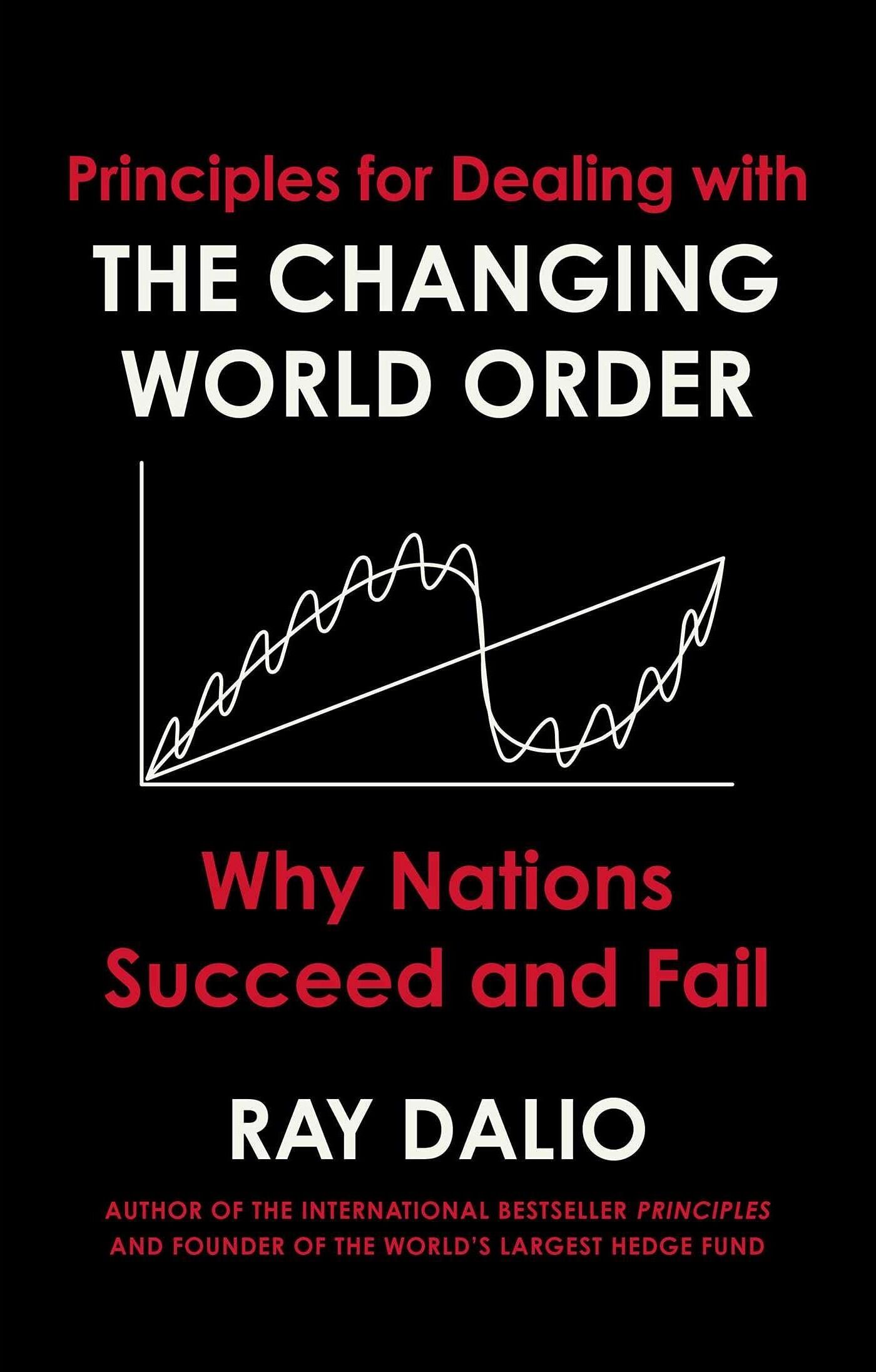
Simon & Schuster UK Principles for Dealing with the Changing World Order: Why Nations Succeed or Fail by Ray DalioFrom legendary investor Ray Dalio, author of the international bestseller Principles, who has spent half a century studying global economies and markets, Principles for Dealing with the Changing World Order examines history’s most turbulent economic and political periods to reveal why the times ahead will likely be radically different from those we’ve experienced in our lifetimes - but similar to those that have happened many times before. A few years ago, Ray Dalio noticed a confluence of political and economic conditions he hadn’t encountered before. They included huge debts and zero or near-zero interest rates that led to massive printing of money in the world’s three major reserve currencies; big political and social conflicts within countries, especially the US, due to the largest wealth, political and values disparities in more than 100 years; and the rising of a world power (China) to challenge the existing world power (US) and the existing world order. The last time that this confluence occurred was between 1930 and 1945. This realisation sent Dalio on a search for the repeating patterns and cause/effect relationships underlying all major changes in wealth and power over the last 500 years. In this remarkable and timely addition to his Principles series, Dalio brings readers along for his study of the major empires - including the Dutch, the British and the American - putting into perspective the 'Big Cycle' that has driven the successes and failures of all the world’s major countries throughout history. Dalio reveals the timeless and universal forces behind these shifts and uses them to look into the future, offering practical principles for positioning oneself for what’s ahead.13,99 £*Shipping: 2,99 £Secure redirect to the provider
-
Raintree Dealing With Feeling Series 8 Books Collection Set By Isabel Thomas (Shy, Worried, Angry, Caring, Happy, Jealous, Proud & Sad)Titles In This Set: Shy Worried Angry Caring Happy Jealous Proud Sad Description: Each book in the "Dealing with Feeling..." series looks at a different emotion commonly experienced by young children. The books help readers to identify their emotions, and provide tips and advice on how best to express and deal with them. These books deals with emotions including shy, worried, angry, caring, happy, jealous, proud, sad and each book looks at a different emotion, what it feels like, how to deal with the emotion and how to help other people who might be feeling the same emotion. Headings in the form of questions help children to focus and ask their own questions. Each book contains a glossary and an index, offering young readers an introduction to these important features of non-fiction text.12,99 £*Shipping: 2,99 £Secure redirect to the provider
-
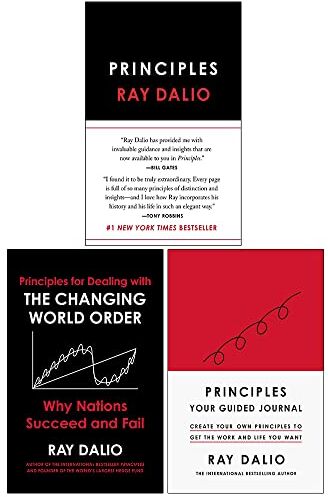
Simon and Schuster Ray Dalio Collection 3 Books Set (Principles Life and Work, Principles for Dealing with the Changing World Order, Principles Your Guided Journal)Ray Dalio Collection 3 Books Set (Principles Life and Work, Principles for Dealing with the Changing World Order, Principles Your Guided Journal) Principles Life and Work In Principles, Dalio shares what he’s learned over the course of his remarkable career. He argues that life, management, economics, and investing can all be systemized into rules and understood like machines. The book’s hundreds of practical lessons, which are built around his cornerstones of “radical truth” and “radical transparency,” include Dalio laying out the most effective ways for individuals and organizations to make decisions, approach challenges, and build strong teams. Principles for Dealing with the Changing World Order A few years ago, Ray Dalio noticed a confluence of political and economic conditions he hadn’t encountered before. They included huge debts and zero or near-zero interest rates that led to massive printing of money in the world’s three major reserve currencies; big political and social conflicts within countries, especially the US, due to the largest wealth, political and values disparities in more than 100 years; and the rising of a world power (China) to challenge the existing world power (US) and the existing world order. Principles Your Guided Journal In his international bestseller Principles, legendary investor Ray Dalio introduced millions of readers around the world to the unconventional approach he developed as the founder and builder of Bridgewater Associates, the largest and most successful hedge fund in the world. Dalio attributes his unique success to his process of recording, refining and acting on a set of well-defined principles, which are effectively decision-rules for getting what you want out of life and work.34,99 £*Shipping: 2,99 £Secure redirect to the provider

-
What is an improvising melody instrument and an accompanying rhythm group?
An improvising melody instrument is a musical instrument that is capable of playing improvised melodies, such as the saxophone, trumpet, or guitar. These instruments are able to create spontaneous and unique melodies during a musical performance. An accompanying rhythm group consists of instruments that provide the rhythmic foundation for the music, such as drums, bass, and keyboard. Together, the improvising melody instrument and the accompanying rhythm group work together to create a dynamic and cohesive musical experience, with the melody instrument taking the lead and the rhythm group providing the underlying groove and support. **
-
How does Bob Dylan handle melody, rhythm, and harmony in A Hard Rain's A-Gonna Fall?
In "A Hard Rain's A-Gonna Fall," Bob Dylan utilizes a haunting melody that adds to the sense of urgency and impending doom in the song. The rhythm is steady and driving, propelling the song forward and adding to its intensity. Harmonically, Dylan uses simple chord progressions that enhance the emotional impact of the lyrics. Overall, Dylan's handling of melody, rhythm, and harmony in this song creates a powerful and evocative listening experience. **
-
Is dealing with flooding?
Dealing with flooding can be challenging and costly for individuals, communities, and governments. It requires proactive planning, investment in infrastructure such as flood barriers and drainage systems, and effective emergency response measures. Climate change is exacerbating the frequency and severity of flooding events, making it even more important to address this issue through sustainable and resilient solutions. **
-
What is art dealing?
Art dealing is the buying, selling, and trading of artworks. Art dealers act as intermediaries between artists and buyers, helping to promote and sell artworks. They often have a deep knowledge of the art market, trends, and the value of different artworks. Art dealing can involve working with individual collectors, galleries, museums, and auction houses to facilitate the sale and purchase of art pieces. **


Are we dealing with hydrocarbons?
Yes, we are dealing with hydrocarbons. Hydrocarbons are organic compounds made up of only hydrogen and carbon atoms. Since the question does not specify a particular type of hydrocarbon, it can refer to a wide range of compounds such as alkanes, alkenes, alkynes, or aromatic hydrocarbons. The presence of only hydrogen and carbon atoms in the compound indicates that it is a hydrocarbon. **
What is the difference between harmony and melody?
Harmony refers to the combination of different musical notes played or sung simultaneously to create a pleasing sound. It involves the use of chords and the relationship between different notes played together. On the other hand, melody is a sequence of single notes that are perceived as a single entity. It is the main theme or tune of a piece of music and is usually the most memorable part of a song. In summary, harmony involves the combination of notes played together, while melody is a sequence of single notes that form the main theme of a piece of music. **
Top-Angebote
Products related to Dealing:
-
Playful Picks 360 Rotating Automatic Card Shuffle & Dealer Machine, 2 in 1 Playing Cards Shuffling & Dealing Tool For Home Party 360 Rotating Automatic Card Shuffle & Dealer Machine, 2 in 1 Playing Cards Shuffling & Dealing Tool For Home PartyBring casinostyle efficiency to your home game night with our 360 Rotating Automatic Card Shuffle Dealer Machine. This premium 2in1 device combines a highspeed Dealer Machine 2 In 1 Playing Cards shuffler and dealer in one sleek unitperfect for...229,97 $*Shipping: 0,00 $Secure redirect to the provider
-
Dealing With Feeling By Isabel Thomas 8 Books Collection Set - Ages 5+ - Paperback Capstone Global Library LtdTitles in this Set: Angry Caring Happy Jealous Proud Sad Shy Worried Description: Each book in the Dealing with Feeling... series looks at a different emotion commonly experienced by young children. The eight books in this collection help readers to identify their emotions, and also provide tips and advice on how best to express and deal with different emotions. Each book looks at a different emotion, what it feels like, how to deal with the emotion and how to help other people who might be feeling the same emotion. The Dealing with Feeling series helps young readers ages 5 and up discover and understand the world around them. Headings in the form of questions help children to focus and ask their own questions. Each book contains a glossary and an index, offering young readers an introduction to these important features of non-fiction text.12,99 £*Shipping: 2,99 £Secure redirect to the provider
-
Simon & Schuster Principles and Principles for Dealing with the Changing World Order 2 Books Collection Set by Ray DalioRay Dalio Collection 2 Books Set (Principles Life and Work, Principles for Dealing with the Changing World Order): Principles Life and Work: In Principles, Dalio shares what he’s learned over the course of his remarkable career. He argues that life, management, economics, and investing can all be systemized into rules and understood like machines. The book’s hundreds of practical lessons, which are built around his cornerstones of “radical truth” and “radical transparency,” include Dalio laying out the most effective ways for individuals and organizations to make decisions, approach challenges, and build strong teams. Principles for Dealing with the Changing World Order: A few years ago, Ray Dalio noticed a confluence of political and economic conditions he hadn’t encountered before. They included huge debts and zero or near-zero interest rates that led to massive printing of money in the world’s three major reserve currencies; big political and social conflicts within countries, especially the US, due to the largest wealth, political and values disparities in more than 100 years; and the rising of a world power (China) to challenge the existing world power (US) and the existing world order.30,99 £*Shipping: 2,99 £Secure redirect to the provider
-
Simon & Schuster UK Principles for Dealing with the Changing World Order: Why Nations Succeed or Fail by Ray DalioFrom legendary investor Ray Dalio, author of the international bestseller Principles, who has spent half a century studying global economies and markets, Principles for Dealing with the Changing World Order examines history’s most turbulent economic and political periods to reveal why the times ahead will likely be radically different from those we’ve experienced in our lifetimes - but similar to those that have happened many times before. A few years ago, Ray Dalio noticed a confluence of political and economic conditions he hadn’t encountered before. They included huge debts and zero or near-zero interest rates that led to massive printing of money in the world’s three major reserve currencies; big political and social conflicts within countries, especially the US, due to the largest wealth, political and values disparities in more than 100 years; and the rising of a world power (China) to challenge the existing world power (US) and the existing world order. The last time that this confluence occurred was between 1930 and 1945. This realisation sent Dalio on a search for the repeating patterns and cause/effect relationships underlying all major changes in wealth and power over the last 500 years. In this remarkable and timely addition to his Principles series, Dalio brings readers along for his study of the major empires - including the Dutch, the British and the American - putting into perspective the 'Big Cycle' that has driven the successes and failures of all the world’s major countries throughout history. Dalio reveals the timeless and universal forces behind these shifts and uses them to look into the future, offering practical principles for positioning oneself for what’s ahead.13,99 £*Shipping: 2,99 £Secure redirect to the provider
-
Does it belong more to rhythm, melody, and harmony?
The concept of harmony is most closely related to the interaction of different notes and chords in music. Harmony refers to the simultaneous sounding of different pitches to create a pleasing sound. While rhythm and melody are also important elements in music, harmony specifically deals with the vertical aspect of music, focusing on how notes and chords interact with each other. Therefore, harmony belongs more to the realm of harmony itself. **
-
What is the difference between rhythm, melody, and harmony?
Rhythm refers to the pattern of sounds and silences in music, creating a sense of movement and pulse. Melody is the sequence of musical notes that are perceived as a single entity, often the most recognizable and memorable part of a song. Harmony involves the combination of different musical notes played or sung simultaneously, creating a pleasing sound. While rhythm provides the framework for the timing of music, melody is the main tune, and harmony adds depth and richness to the overall sound. **
-
What is an improvising melody instrument and an accompanying rhythm group?
An improvising melody instrument is a musical instrument that is capable of playing improvised melodies, such as the saxophone, trumpet, or guitar. These instruments are able to create spontaneous and unique melodies during a musical performance. An accompanying rhythm group consists of instruments that provide the rhythmic foundation for the music, such as drums, bass, and keyboard. Together, the improvising melody instrument and the accompanying rhythm group work together to create a dynamic and cohesive musical experience, with the melody instrument taking the lead and the rhythm group providing the underlying groove and support. **
-
How does Bob Dylan handle melody, rhythm, and harmony in A Hard Rain's A-Gonna Fall?
In "A Hard Rain's A-Gonna Fall," Bob Dylan utilizes a haunting melody that adds to the sense of urgency and impending doom in the song. The rhythm is steady and driving, propelling the song forward and adding to its intensity. Harmonically, Dylan uses simple chord progressions that enhance the emotional impact of the lyrics. Overall, Dylan's handling of melody, rhythm, and harmony in this song creates a powerful and evocative listening experience. **
Similar search terms for Dealing
-
Raintree Dealing With Feeling Series 8 Books Collection Set By Isabel Thomas (Shy, Worried, Angry, Caring, Happy, Jealous, Proud & Sad)Titles In This Set: Shy Worried Angry Caring Happy Jealous Proud Sad Description: Each book in the "Dealing with Feeling..." series looks at a different emotion commonly experienced by young children. The books help readers to identify their emotions, and provide tips and advice on how best to express and deal with them. These books deals with emotions including shy, worried, angry, caring, happy, jealous, proud, sad and each book looks at a different emotion, what it feels like, how to deal with the emotion and how to help other people who might be feeling the same emotion. Headings in the form of questions help children to focus and ask their own questions. Each book contains a glossary and an index, offering young readers an introduction to these important features of non-fiction text.12,99 £*Shipping: 2,99 £Secure redirect to the provider
-
Simon and Schuster Ray Dalio Collection 3 Books Set (Principles Life and Work, Principles for Dealing with the Changing World Order, Principles Your Guided Journal)Ray Dalio Collection 3 Books Set (Principles Life and Work, Principles for Dealing with the Changing World Order, Principles Your Guided Journal) Principles Life and Work In Principles, Dalio shares what he’s learned over the course of his remarkable career. He argues that life, management, economics, and investing can all be systemized into rules and understood like machines. The book’s hundreds of practical lessons, which are built around his cornerstones of “radical truth” and “radical transparency,” include Dalio laying out the most effective ways for individuals and organizations to make decisions, approach challenges, and build strong teams. Principles for Dealing with the Changing World Order A few years ago, Ray Dalio noticed a confluence of political and economic conditions he hadn’t encountered before. They included huge debts and zero or near-zero interest rates that led to massive printing of money in the world’s three major reserve currencies; big political and social conflicts within countries, especially the US, due to the largest wealth, political and values disparities in more than 100 years; and the rising of a world power (China) to challenge the existing world power (US) and the existing world order. Principles Your Guided Journal In his international bestseller Principles, legendary investor Ray Dalio introduced millions of readers around the world to the unconventional approach he developed as the founder and builder of Bridgewater Associates, the largest and most successful hedge fund in the world. Dalio attributes his unique success to his process of recording, refining and acting on a set of well-defined principles, which are effectively decision-rules for getting what you want out of life and work.34,99 £*Shipping: 2,99 £Secure redirect to the provider
-
Uplift Picks Sanrio Melody Double Layer Straw Water Bottle 450ml melodyStay refreshed in the cutest way possible. This Sanrio Melody water bottle combines playful cartoon charm with everyday practicality. Designed as a 450ml cartoon straw cup, it features a secure lid and built in straw for easy sipping on the go. The...102,48 $*Shipping: 0,00 $Secure redirect to the provider
-
SAFAVIEH Handmade Genre Urska RugExperience the artistry of SAFAVIEH's eclectic Genre Collection, inspired by the geometric patterns of Modern design. Showcasing a diverse range of styles, this unique collection adds creative flair and multidimensional appeal to your living space.129,35 $*Shipping: 0,00 $Secure redirect to the provider
-
Is dealing with flooding?
Dealing with flooding can be challenging and costly for individuals, communities, and governments. It requires proactive planning, investment in infrastructure such as flood barriers and drainage systems, and effective emergency response measures. Climate change is exacerbating the frequency and severity of flooding events, making it even more important to address this issue through sustainable and resilient solutions. **
-
What is art dealing?
Art dealing is the buying, selling, and trading of artworks. Art dealers act as intermediaries between artists and buyers, helping to promote and sell artworks. They often have a deep knowledge of the art market, trends, and the value of different artworks. Art dealing can involve working with individual collectors, galleries, museums, and auction houses to facilitate the sale and purchase of art pieces. **
-
Are we dealing with hydrocarbons?
Yes, we are dealing with hydrocarbons. Hydrocarbons are organic compounds made up of only hydrogen and carbon atoms. Since the question does not specify a particular type of hydrocarbon, it can refer to a wide range of compounds such as alkanes, alkenes, alkynes, or aromatic hydrocarbons. The presence of only hydrogen and carbon atoms in the compound indicates that it is a hydrocarbon. **
-
What is the difference between harmony and melody?
Harmony refers to the combination of different musical notes played or sung simultaneously to create a pleasing sound. It involves the use of chords and the relationship between different notes played together. On the other hand, melody is a sequence of single notes that are perceived as a single entity. It is the main theme or tune of a piece of music and is usually the most memorable part of a song. In summary, harmony involves the combination of notes played together, while melody is a sequence of single notes that form the main theme of a piece of music. **
* All prices are inclusive of VAT and, if applicable, plus shipping costs. The offer information is based on the details provided by the respective shop and is updated through automated processes. Real-time updates do not occur, so deviations can occur in individual cases. ** Note: Parts of this content were created by AI.