Buy musicin.eu ?
We are moving the project
musicin.eu .
Are you interested in purchasing the domain
musicin.eu ?
domain@kv-gmbh.de · 0541-91531010
Buy musicin.eu ?
How can one simplify 70 factorial by 60 factorial?
To simplify 70 factorial by 60 factorial, we can cancel out the common terms in both factorials. This can be done by dividing 70! by 60! to get the remaining terms. In this case, we would divide 70! by 60! to get 70*69*68*67*66*65*64*63*62*61. This simplifies the expression and reduces the number of terms in the factorial. **
Does it belong more to rhythm, melody, and harmony?
The concept of harmony is most closely related to the interaction of different notes and chords in music. Harmony refers to the simultaneous sounding of different pitches to create a pleasing sound. While rhythm and melody are also important elements in music, harmony specifically deals with the vertical aspect of music, focusing on how notes and chords interact with each other. Therefore, harmony belongs more to the realm of harmony itself. **


Similar search terms for Factorial
Top-Angebote
Products related to Factorial:
-
Uplift Essentials 311nm Narrowband UVB Phototherapy Instrument 311nm Narrowband UVB Phototherapy InstrumentManage chronic, persistent skin spot conditions and restore localized skin balance from the privacy and comfort of your own home. The 311nm Narrowband UVB Phototherapy Instrument provides a targeted, clinicalgrade light solution engineered...148,47 $*Shipping: 0,00 $Secure redirect to the provider
-
Uplifted Finds Sanrio Plush Dolls Hello Kitty My Melody Cinnamoroll Pochacco Backpack Handbag Ornament melodyCelebrate your favorite Sanrio characters with these adorable Sanrio plush dolls featuring Hello Kitty, My Melody, Cinnamoroll, and Pochacco. Each plush is made from soft, highquality fabric, perfect for use as a backpack, handbag ornament, or...97,97 $*Shipping: 0,00 $Secure redirect to the provider
-
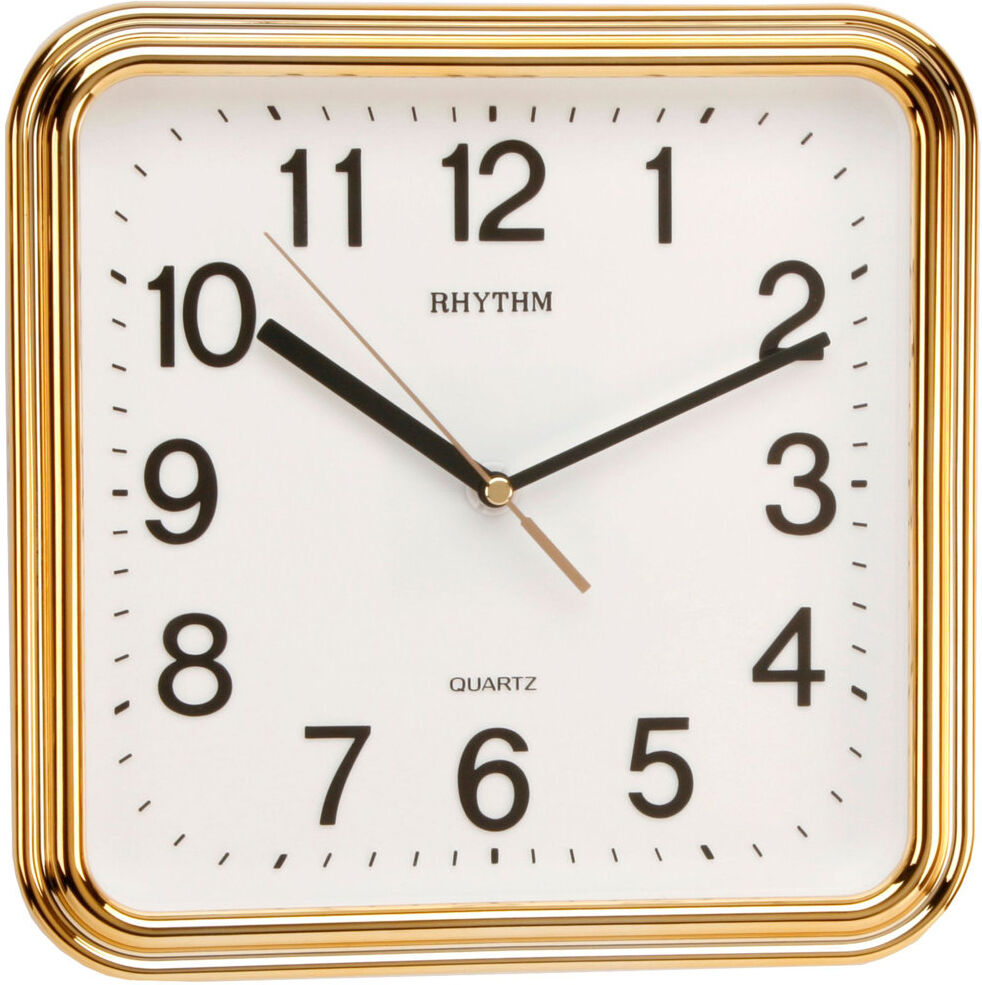
Rhythm Clocks Wall Clock Gold LargeA beautiful golden cased square wall clock featuring Rhythm's signature silent silky sweep movement. The clock features an ultra-precise quartz movement that will keep perfect time for a lifetime. It also features a white face, 3D black Arabic numerals, straight black hands and a golden sweeping second hand. Requires 1 x AA battery and is simply hung from a single hook. Rhythm Clocks Colour: Gold, Size: Large49,59 £*Shipping: 4,99 £Secure redirect to the provider
-
Rhythm Clocks Wall Clock Silver OversizedA beautiful golden cased square wall clock featuring Rhythm's signature silent silky sweep movement. The clock features an ultra-precise quartz movement that will keep perfect time for a lifetime. It also features a white face, 3D black Arabic numerals, straight black hands and a golden sweeping second hand. Requires 1 x AA battery and is simply hung from a single hook. Rhythm Clocks Colour: Silver, Size: Oversized48,99 £*Shipping: 4,99 £Secure redirect to the provider



-
What is the difference between rhythm, melody, and harmony?
Rhythm refers to the pattern of sounds and silences in music, creating a sense of movement and pulse. Melody is the sequence of musical notes that are perceived as a single entity, often the most recognizable and memorable part of a song. Harmony involves the combination of different musical notes played or sung simultaneously, creating a pleasing sound. While rhythm provides the framework for the timing of music, melody is the main tune, and harmony adds depth and richness to the overall sound. **
-
When is the factorial used?
The factorial is used in mathematics to calculate the number of ways to arrange a set of objects. It is commonly used in combinatorics and probability to calculate permutations and combinations. Factorials are also used in calculus and other areas of mathematics to simplify and solve equations. Additionally, factorials are used in computer science and programming to solve various problems and algorithms. **
-
What is the negative factorial?
The negative factorial is not a valid mathematical concept. Factorials are only defined for non-negative integers. The factorial of a negative number is undefined and does not have a meaningful interpretation in mathematics. **
-
How do I square a factorial?
To square a factorial, you would first calculate the factorial of the number, then multiply that result by itself. For example, to square the factorial of 4 (4!), you would first find 4! (which is 4 x 3 x 2 x 1 = 24) and then multiply 24 by itself to get the square of 4! (24 x 24 = 576). **

How can one simplify the factorial?
One can simplify the factorial by using the formula n! = n * (n-1)!. This means that the factorial of a number is equal to the number multiplied by the factorial of the number minus one. By repeatedly applying this formula, one can simplify the factorial expression to a smaller number. Additionally, one can use the properties of factorials to simplify expressions, such as cancelling out common factors in the numerator and denominator. **
What is the factorial in mathematics?
In mathematics, the factorial of a non-negative integer is the product of all positive integers less than or equal to that number. It is denoted by the exclamation mark (!). For example, the factorial of 5 (written as 5!) is equal to 5 x 4 x 3 x 2 x 1, which equals 120. Factorials are commonly used in combinatorial mathematics and probability theory. **
Top-Angebote
Products related to Factorial:
-
Uplift Picks Sanrio Melody Double Layer Straw Water Bottle 450ml melodyStay refreshed in the cutest way possible. This Sanrio Melody water bottle combines playful cartoon charm with everyday practicality. Designed as a 450ml cartoon straw cup, it features a secure lid and built in straw for easy sipping on the go. The...102,48 $*Shipping: 0,00 $Secure redirect to the provider
-
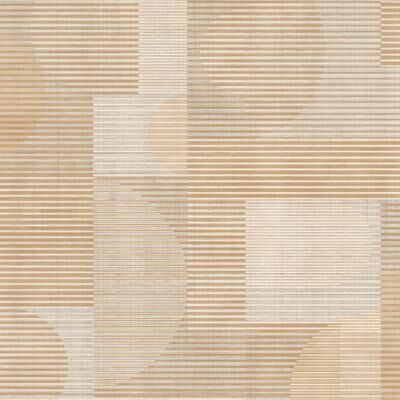
Veer Decor Geo Rhythm WallpaperEnter a world of modern shape and texture where clean lines and geometric forms create a sense of movement and harmony. The subtle embossed texture enhances the tactile experience, giving the design a rich, dimensional feel.149,99 $*Shipping: 0,00 $Secure redirect to the provider
-
Uplift Essentials 311nm Narrowband UVB Phototherapy Instrument 311nm Narrowband UVB Phototherapy InstrumentManage chronic, persistent skin spot conditions and restore localized skin balance from the privacy and comfort of your own home. The 311nm Narrowband UVB Phototherapy Instrument provides a targeted, clinicalgrade light solution engineered...148,47 $*Shipping: 0,00 $Secure redirect to the provider
-
Uplifted Finds Sanrio Plush Dolls Hello Kitty My Melody Cinnamoroll Pochacco Backpack Handbag Ornament melodyCelebrate your favorite Sanrio characters with these adorable Sanrio plush dolls featuring Hello Kitty, My Melody, Cinnamoroll, and Pochacco. Each plush is made from soft, highquality fabric, perfect for use as a backpack, handbag ornament, or...97,97 $*Shipping: 0,00 $Secure redirect to the provider
-
How can one simplify 70 factorial by 60 factorial?
To simplify 70 factorial by 60 factorial, we can cancel out the common terms in both factorials. This can be done by dividing 70! by 60! to get the remaining terms. In this case, we would divide 70! by 60! to get 70*69*68*67*66*65*64*63*62*61. This simplifies the expression and reduces the number of terms in the factorial. **
-
Does it belong more to rhythm, melody, and harmony?
The concept of harmony is most closely related to the interaction of different notes and chords in music. Harmony refers to the simultaneous sounding of different pitches to create a pleasing sound. While rhythm and melody are also important elements in music, harmony specifically deals with the vertical aspect of music, focusing on how notes and chords interact with each other. Therefore, harmony belongs more to the realm of harmony itself. **
-
What is the difference between rhythm, melody, and harmony?
Rhythm refers to the pattern of sounds and silences in music, creating a sense of movement and pulse. Melody is the sequence of musical notes that are perceived as a single entity, often the most recognizable and memorable part of a song. Harmony involves the combination of different musical notes played or sung simultaneously, creating a pleasing sound. While rhythm provides the framework for the timing of music, melody is the main tune, and harmony adds depth and richness to the overall sound. **
-
When is the factorial used?
The factorial is used in mathematics to calculate the number of ways to arrange a set of objects. It is commonly used in combinatorics and probability to calculate permutations and combinations. Factorials are also used in calculus and other areas of mathematics to simplify and solve equations. Additionally, factorials are used in computer science and programming to solve various problems and algorithms. **
Similar search terms for Factorial
-
Rhythm Clocks Wall Clock Gold LargeA beautiful golden cased square wall clock featuring Rhythm's signature silent silky sweep movement. The clock features an ultra-precise quartz movement that will keep perfect time for a lifetime. It also features a white face, 3D black Arabic numerals, straight black hands and a golden sweeping second hand. Requires 1 x AA battery and is simply hung from a single hook. Rhythm Clocks Colour: Gold, Size: Large49,59 £*Shipping: 4,99 £Secure redirect to the provider
-
Rhythm Clocks Wall Clock Silver OversizedA beautiful golden cased square wall clock featuring Rhythm's signature silent silky sweep movement. The clock features an ultra-precise quartz movement that will keep perfect time for a lifetime. It also features a white face, 3D black Arabic numerals, straight black hands and a golden sweeping second hand. Requires 1 x AA battery and is simply hung from a single hook. Rhythm Clocks Colour: Silver, Size: Oversized48,99 £*Shipping: 4,99 £Secure redirect to the provider
-
Laural Home Nature's Melody Table Runner"This landscape-inspired reversible runner, ""Nature's Melody,"" is a sweet and calming home decor look. The peaceful design features abstract multicolored leaves blended into a delicate washed-out pastel and sage green background."53,99 $*Shipping: 0,00 $Secure redirect to the provider
-
Veer Decor Geo Rhythm WallpaperEnter a world of modern shape and texture where clean lines and geometric forms create a sense of movement and harmony. The subtle embossed texture enhances the tactile experience, giving the design a rich, dimensional feel.149,99 $*Shipping: 0,00 $Secure redirect to the provider
-
What is the negative factorial?
The negative factorial is not a valid mathematical concept. Factorials are only defined for non-negative integers. The factorial of a negative number is undefined and does not have a meaningful interpretation in mathematics. **
-
How do I square a factorial?
To square a factorial, you would first calculate the factorial of the number, then multiply that result by itself. For example, to square the factorial of 4 (4!), you would first find 4! (which is 4 x 3 x 2 x 1 = 24) and then multiply 24 by itself to get the square of 4! (24 x 24 = 576). **
-
How can one simplify the factorial?
One can simplify the factorial by using the formula n! = n * (n-1)!. This means that the factorial of a number is equal to the number multiplied by the factorial of the number minus one. By repeatedly applying this formula, one can simplify the factorial expression to a smaller number. Additionally, one can use the properties of factorials to simplify expressions, such as cancelling out common factors in the numerator and denominator. **
-
What is the factorial in mathematics?
In mathematics, the factorial of a non-negative integer is the product of all positive integers less than or equal to that number. It is denoted by the exclamation mark (!). For example, the factorial of 5 (written as 5!) is equal to 5 x 4 x 3 x 2 x 1, which equals 120. Factorials are commonly used in combinatorial mathematics and probability theory. **
* All prices are inclusive of VAT and, if applicable, plus shipping costs. The offer information is based on the details provided by the respective shop and is updated through automated processes. Real-time updates do not occur, so deviations can occur in individual cases. ** Note: Parts of this content were created by AI.