Buy musicin.eu ?
We are moving the project
musicin.eu .
Are you interested in purchasing the domain
musicin.eu ?
domain@kv-gmbh.de · 0541-91531010
Buy musicin.eu ?
Does it belong more to rhythm, melody, and harmony?
The concept of harmony is most closely related to the interaction of different notes and chords in music. Harmony refers to the simultaneous sounding of different pitches to create a pleasing sound. While rhythm and melody are also important elements in music, harmony specifically deals with the vertical aspect of music, focusing on how notes and chords interact with each other. Therefore, harmony belongs more to the realm of harmony itself. **
What is the difference between rhythm, melody, and harmony?
Rhythm refers to the pattern of sounds and silences in music, creating a sense of movement and pulse. Melody is the sequence of musical notes that are perceived as a single entity, often the most recognizable and memorable part of a song. Harmony involves the combination of different musical notes played or sung simultaneously, creating a pleasing sound. While rhythm provides the framework for the timing of music, melody is the main tune, and harmony adds depth and richness to the overall sound. **


Similar search terms for Germanic
Top-Angebote
Products related to Germanic:
-
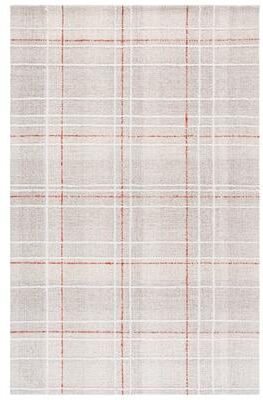
SAFAVIEH Handmade Genre Leiba Wool RugExperience the artistry of SAFAVIEH's eclectic Genre Collection, inspired by the geometric patterns of Modern design. Showcasing a diverse range of styles, this unique collection adds creative flair and multidimensional appeal to your living space.150,27 $*Shipping: 0,00 $Secure redirect to the provider
-
SAFAVIEH Handmade Genre Leiba Wool RugExperience the artistry of SAFAVIEH's eclectic Genre Collection, inspired by the geometric patterns of Modern design. Showcasing a diverse range of styles, this unique collection adds creative flair and multidimensional appeal to your living space.192,66 $*Shipping: 0,00 $Secure redirect to the provider
-
SAFAVIEH Handmade Genre Leiba Wool RugExperience the artistry of SAFAVIEH's eclectic Genre Collection, inspired by the geometric patterns of Modern design. Showcasing a diverse range of styles, this unique collection adds creative flair and multidimensional appeal to your living space.461,99 $*Shipping: 0,00 $Secure redirect to the provider
-
SAFAVIEH Handmade Genre Leiba Wool RugExperience the artistry of SAFAVIEH's eclectic Genre Collection, inspired by the geometric patterns of Modern design. Showcasing a diverse range of styles, this unique collection adds creative flair and multidimensional appeal to your living space.615,81 $*Shipping: 0,00 $Secure redirect to the provider


-
Were the Germanic people Vikings, or were the Vikings Germanic?
The Germanic people were a group of tribes that lived in Northern Europe, including modern-day Germany, Scandinavia, and the Netherlands. The Vikings were a specific group of people within the broader Germanic culture, known for their seafaring and raiding activities. So, the Vikings were a subset of the Germanic people, and not all Germanic people were Vikings. **
-
What is an improvising melody instrument and an accompanying rhythm group?
An improvising melody instrument is a musical instrument that is capable of playing improvised melodies, such as the saxophone, trumpet, or guitar. These instruments are able to create spontaneous and unique melodies during a musical performance. An accompanying rhythm group consists of instruments that provide the rhythmic foundation for the music, such as drums, bass, and keyboard. Together, the improvising melody instrument and the accompanying rhythm group work together to create a dynamic and cohesive musical experience, with the melody instrument taking the lead and the rhythm group providing the underlying groove and support. **
-
What is Germanic Neopaganism?
Germanic Neopaganism is a modern revival of the pre-Christian religious practices and beliefs of the Germanic peoples. It encompasses a variety of traditions and practices inspired by the ancient Germanic cultures, including Norse, Anglo-Saxon, and Continental Germanic traditions. Followers of Germanic Neopaganism often worship a pantheon of gods and goddesses, honor their ancestors, and celebrate seasonal festivals. It is a decentralized and diverse movement, with different groups and individuals interpreting and practicing the faith in their own unique ways. **
-
Are the Celts Germanic?
No, the Celts are not Germanic. The Celts were a distinct group of people who originated in Central Europe and spread across much of Western Europe, including areas that are now part of modern-day France, Spain, and the British Isles. The Germanic peoples, on the other hand, originated in northern Europe and eventually spread into areas that are now part of modern-day Germany, Scandinavia, and the Netherlands. While the Celts and Germanic peoples may have had some interactions and influences on each other, they are considered to be separate and distinct cultural and linguistic groups. **

Were the Greeks Germanic?
No, the Greeks were not Germanic. The Greeks were an ancient civilization that originated in the Mediterranean region, while the Germanic peoples were a group of tribes that originated in northern Europe. The Greeks had their own distinct language, culture, and history, which were different from those of the Germanic peoples. Therefore, it is not accurate to classify the Greeks as Germanic. **
Are Austrians Germanic or Slavic?
Austrians are considered to be primarily Germanic. The majority of the population in Austria speaks German as their first language and shares cultural and historical ties with other Germanic-speaking countries. However, due to its location in Central Europe, Austria has also been influenced by Slavic cultures, particularly in regions bordering countries like Slovenia and the Czech Republic. **
Top-Angebote
Products related to Germanic:
-
Uplift Picks Sanrio Melody Double Layer Straw Water Bottle 450ml melodyStay refreshed in the cutest way possible. This Sanrio Melody water bottle combines playful cartoon charm with everyday practicality. Designed as a 450ml cartoon straw cup, it features a secure lid and built in straw for easy sipping on the go. The...102,48 $*Shipping: 0,00 $Secure redirect to the provider
-
SAFAVIEH Handmade Genre Leiba Wool RugExperience the artistry of SAFAVIEH's eclectic Genre Collection, inspired by the geometric patterns of Modern design. Showcasing a diverse range of styles, this unique collection adds creative flair and multidimensional appeal to your living space.213,58 $*Shipping: 0,00 $Secure redirect to the provider
-
SAFAVIEH Handmade Genre Leiba Wool RugExperience the artistry of SAFAVIEH's eclectic Genre Collection, inspired by the geometric patterns of Modern design. Showcasing a diverse range of styles, this unique collection adds creative flair and multidimensional appeal to your living space.150,27 $*Shipping: 0,00 $Secure redirect to the provider
-
SAFAVIEH Handmade Genre Leiba Wool RugExperience the artistry of SAFAVIEH's eclectic Genre Collection, inspired by the geometric patterns of Modern design. Showcasing a diverse range of styles, this unique collection adds creative flair and multidimensional appeal to your living space.192,66 $*Shipping: 0,00 $Secure redirect to the provider
-
Does it belong more to rhythm, melody, and harmony?
The concept of harmony is most closely related to the interaction of different notes and chords in music. Harmony refers to the simultaneous sounding of different pitches to create a pleasing sound. While rhythm and melody are also important elements in music, harmony specifically deals with the vertical aspect of music, focusing on how notes and chords interact with each other. Therefore, harmony belongs more to the realm of harmony itself. **
-
What is the difference between rhythm, melody, and harmony?
Rhythm refers to the pattern of sounds and silences in music, creating a sense of movement and pulse. Melody is the sequence of musical notes that are perceived as a single entity, often the most recognizable and memorable part of a song. Harmony involves the combination of different musical notes played or sung simultaneously, creating a pleasing sound. While rhythm provides the framework for the timing of music, melody is the main tune, and harmony adds depth and richness to the overall sound. **
-
Were the Germanic people Vikings, or were the Vikings Germanic?
The Germanic people were a group of tribes that lived in Northern Europe, including modern-day Germany, Scandinavia, and the Netherlands. The Vikings were a specific group of people within the broader Germanic culture, known for their seafaring and raiding activities. So, the Vikings were a subset of the Germanic people, and not all Germanic people were Vikings. **
-
What is an improvising melody instrument and an accompanying rhythm group?
An improvising melody instrument is a musical instrument that is capable of playing improvised melodies, such as the saxophone, trumpet, or guitar. These instruments are able to create spontaneous and unique melodies during a musical performance. An accompanying rhythm group consists of instruments that provide the rhythmic foundation for the music, such as drums, bass, and keyboard. Together, the improvising melody instrument and the accompanying rhythm group work together to create a dynamic and cohesive musical experience, with the melody instrument taking the lead and the rhythm group providing the underlying groove and support. **
Similar search terms for Germanic
-
SAFAVIEH Handmade Genre Leiba Wool RugExperience the artistry of SAFAVIEH's eclectic Genre Collection, inspired by the geometric patterns of Modern design. Showcasing a diverse range of styles, this unique collection adds creative flair and multidimensional appeal to your living space.461,99 $*Shipping: 0,00 $Secure redirect to the provider
-
SAFAVIEH Handmade Genre Leiba Wool RugExperience the artistry of SAFAVIEH's eclectic Genre Collection, inspired by the geometric patterns of Modern design. Showcasing a diverse range of styles, this unique collection adds creative flair and multidimensional appeal to your living space.615,81 $*Shipping: 0,00 $Secure redirect to the provider
-
SAFAVIEH Handmade Genre Relika Wool RugExperience the artistry of SAFAVIEH's eclectic Genre Collection, inspired by the geometric patterns of Modern design. Showcasing a diverse range of styles, this unique collection adds creative flair and multidimensional appeal to your living space.231,51 $*Shipping: 0,00 $Secure redirect to the provider
-
SAFAVIEH Handmade Genre Relika Wool RugExperience the artistry of SAFAVIEH's eclectic Genre Collection, inspired by the geometric patterns of Modern design. Showcasing a diverse range of styles, this unique collection adds creative flair and multidimensional appeal to your living space.167,13 $*Shipping: 0,00 $Secure redirect to the provider
-
What is Germanic Neopaganism?
Germanic Neopaganism is a modern revival of the pre-Christian religious practices and beliefs of the Germanic peoples. It encompasses a variety of traditions and practices inspired by the ancient Germanic cultures, including Norse, Anglo-Saxon, and Continental Germanic traditions. Followers of Germanic Neopaganism often worship a pantheon of gods and goddesses, honor their ancestors, and celebrate seasonal festivals. It is a decentralized and diverse movement, with different groups and individuals interpreting and practicing the faith in their own unique ways. **
-
Are the Celts Germanic?
No, the Celts are not Germanic. The Celts were a distinct group of people who originated in Central Europe and spread across much of Western Europe, including areas that are now part of modern-day France, Spain, and the British Isles. The Germanic peoples, on the other hand, originated in northern Europe and eventually spread into areas that are now part of modern-day Germany, Scandinavia, and the Netherlands. While the Celts and Germanic peoples may have had some interactions and influences on each other, they are considered to be separate and distinct cultural and linguistic groups. **
-
Were the Greeks Germanic?
No, the Greeks were not Germanic. The Greeks were an ancient civilization that originated in the Mediterranean region, while the Germanic peoples were a group of tribes that originated in northern Europe. The Greeks had their own distinct language, culture, and history, which were different from those of the Germanic peoples. Therefore, it is not accurate to classify the Greeks as Germanic. **
-
Are Austrians Germanic or Slavic?
Austrians are considered to be primarily Germanic. The majority of the population in Austria speaks German as their first language and shares cultural and historical ties with other Germanic-speaking countries. However, due to its location in Central Europe, Austria has also been influenced by Slavic cultures, particularly in regions bordering countries like Slovenia and the Czech Republic. **
* All prices are inclusive of VAT and, if applicable, plus shipping costs. The offer information is based on the details provided by the respective shop and is updated through automated processes. Real-time updates do not occur, so deviations can occur in individual cases. ** Note: Parts of this content were created by AI.