Buy musicin.eu ?
We are moving the project
musicin.eu .
Are you interested in purchasing the domain
musicin.eu ?
domain@kv-gmbh.de · 0541-91531010
Buy musicin.eu ?
Which rectifier do I need for a 14V alternator?
For a 14V alternator, you would need a rectifier that is capable of handling at least 14V. It is recommended to use a rectifier with a slightly higher voltage rating to ensure it can handle any fluctuations in voltage. Look for a rectifier that is specifically designed for automotive or alternator use to ensure compatibility and reliability. Additionally, consider the current rating of the rectifier to make sure it can handle the output of the alternator. **
How do I properly understand the rectifier of an alternator?
To properly understand the rectifier of an alternator, it's important to know that the rectifier is a crucial component that converts the alternating current (AC) produced by the alternator into direct current (DC) that can be used to power the vehicle's electrical system and charge the battery. The rectifier typically consists of diodes that allow current to flow in only one direction, effectively converting the AC to DC. Understanding the rectifier involves knowing its function, components, and how it contributes to the overall operation of the alternator and the vehicle's electrical system. It's also important to be aware of common issues and maintenance requirements related to the rectifier to ensure the proper functioning of the alternator. **


Similar search terms for HÜCO-139234-Rectifier-alternator
Top-Angebote
Products related to HÜCO-139234-Rectifier-alternator:
-
HÜCO 136109 AlternatorVoltage [V]: 12; Alternator Charging Current [A]: 110; Supplementary Article / Supplementary Info: with integrated regulator; Number of ribs: 6; Belt Pulley Ø [mm]: 53; Vehicle Electrical System Design: for vehicles with 12-volt electrical system; TecDoc Engine Number: 16319, 17652447,99 £*Shipping: 1,99 £Secure redirect to the provider
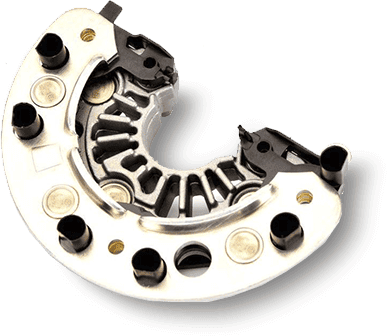


-
Does it belong more to rhythm, melody, and harmony?
The concept of harmony is most closely related to the interaction of different notes and chords in music. Harmony refers to the simultaneous sounding of different pitches to create a pleasing sound. While rhythm and melody are also important elements in music, harmony specifically deals with the vertical aspect of music, focusing on how notes and chords interact with each other. Therefore, harmony belongs more to the realm of harmony itself. **
-
What is the difference between rhythm, melody, and harmony?
Rhythm refers to the pattern of sounds and silences in music, creating a sense of movement and pulse. Melody is the sequence of musical notes that are perceived as a single entity, often the most recognizable and memorable part of a song. Harmony involves the combination of different musical notes played or sung simultaneously, creating a pleasing sound. While rhythm provides the framework for the timing of music, melody is the main tune, and harmony adds depth and richness to the overall sound. **
-
Is there a difference between a rectifier and a bridge rectifier?
Yes, there is a difference between a rectifier and a bridge rectifier. A rectifier is a device that converts alternating current (AC) to direct current (DC) by allowing current to flow in only one direction. A bridge rectifier is a type of rectifier that uses four diodes in a bridge configuration to rectify AC voltage. The main difference is that a bridge rectifier is more efficient and can handle higher currents compared to a simple rectifier. **
-
What is the difference between a center-tapped rectifier and a bridge rectifier?
A center-tapped rectifier uses a transformer with a center tap on the secondary winding, while a bridge rectifier uses a configuration of diodes to rectify the AC input voltage. The center-tapped rectifier requires a transformer with a center tap, which may be more expensive and bulky, while the bridge rectifier does not require a center-tapped transformer and is more commonly used in practical applications. Additionally, the center-tapped rectifier only uses two diodes, while the bridge rectifier uses four diodes, making it more efficient in terms of voltage drop and power loss. **


How does a rectifier work?
A rectifier is an electrical device that converts alternating current (AC) to direct current (DC). It does this by utilizing diodes, which are electronic components that only allow current to flow in one direction. When the AC current passes through the rectifier, the diodes block the negative portion of the wave, allowing only the positive portion to pass through, resulting in a pulsating DC output. This pulsating DC can then be smoothed out using capacitors to create a more stable DC output. **
What about the alternator?
The alternator is a crucial component of a vehicle's charging system. It is responsible for converting mechanical energy from the engine into electrical energy to power the vehicle's electrical systems and recharge the battery. If the alternator fails, the battery will not be recharged and the vehicle's electrical systems will not function properly. It is important to have the alternator inspected and maintained regularly to ensure the proper functioning of the vehicle. **
Top-Angebote
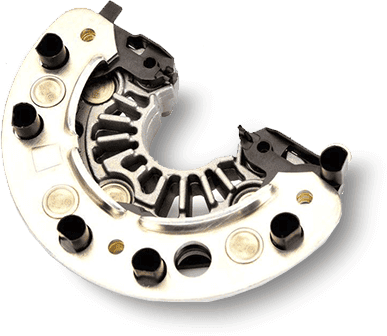
Products related to HÜCO-139234-Rectifier-alternator:
-
Which rectifier do I need for a 14V alternator?
For a 14V alternator, you would need a rectifier that is capable of handling at least 14V. It is recommended to use a rectifier with a slightly higher voltage rating to ensure it can handle any fluctuations in voltage. Look for a rectifier that is specifically designed for automotive or alternator use to ensure compatibility and reliability. Additionally, consider the current rating of the rectifier to make sure it can handle the output of the alternator. **
-
How do I properly understand the rectifier of an alternator?
To properly understand the rectifier of an alternator, it's important to know that the rectifier is a crucial component that converts the alternating current (AC) produced by the alternator into direct current (DC) that can be used to power the vehicle's electrical system and charge the battery. The rectifier typically consists of diodes that allow current to flow in only one direction, effectively converting the AC to DC. Understanding the rectifier involves knowing its function, components, and how it contributes to the overall operation of the alternator and the vehicle's electrical system. It's also important to be aware of common issues and maintenance requirements related to the rectifier to ensure the proper functioning of the alternator. **
-
Does it belong more to rhythm, melody, and harmony?
The concept of harmony is most closely related to the interaction of different notes and chords in music. Harmony refers to the simultaneous sounding of different pitches to create a pleasing sound. While rhythm and melody are also important elements in music, harmony specifically deals with the vertical aspect of music, focusing on how notes and chords interact with each other. Therefore, harmony belongs more to the realm of harmony itself. **
-
What is the difference between rhythm, melody, and harmony?
Rhythm refers to the pattern of sounds and silences in music, creating a sense of movement and pulse. Melody is the sequence of musical notes that are perceived as a single entity, often the most recognizable and memorable part of a song. Harmony involves the combination of different musical notes played or sung simultaneously, creating a pleasing sound. While rhythm provides the framework for the timing of music, melody is the main tune, and harmony adds depth and richness to the overall sound. **
Similar search terms for HÜCO-139234-Rectifier-alternator
-
HÜCO 136109 AlternatorVoltage [V]: 12; Alternator Charging Current [A]: 110; Supplementary Article / Supplementary Info: with integrated regulator; Number of ribs: 6; Belt Pulley Ø [mm]: 53; Vehicle Electrical System Design: for vehicles with 12-volt electrical system; TecDoc Engine Number: 16319, 17652447,99 £*Shipping: 1,99 £Secure redirect to the provider
-
Is there a difference between a rectifier and a bridge rectifier?
Yes, there is a difference between a rectifier and a bridge rectifier. A rectifier is a device that converts alternating current (AC) to direct current (DC) by allowing current to flow in only one direction. A bridge rectifier is a type of rectifier that uses four diodes in a bridge configuration to rectify AC voltage. The main difference is that a bridge rectifier is more efficient and can handle higher currents compared to a simple rectifier. **
-
What is the difference between a center-tapped rectifier and a bridge rectifier?
A center-tapped rectifier uses a transformer with a center tap on the secondary winding, while a bridge rectifier uses a configuration of diodes to rectify the AC input voltage. The center-tapped rectifier requires a transformer with a center tap, which may be more expensive and bulky, while the bridge rectifier does not require a center-tapped transformer and is more commonly used in practical applications. Additionally, the center-tapped rectifier only uses two diodes, while the bridge rectifier uses four diodes, making it more efficient in terms of voltage drop and power loss. **
-
How does a rectifier work?
A rectifier is an electrical device that converts alternating current (AC) to direct current (DC). It does this by utilizing diodes, which are electronic components that only allow current to flow in one direction. When the AC current passes through the rectifier, the diodes block the negative portion of the wave, allowing only the positive portion to pass through, resulting in a pulsating DC output. This pulsating DC can then be smoothed out using capacitors to create a more stable DC output. **
-
What about the alternator?
The alternator is a crucial component of a vehicle's charging system. It is responsible for converting mechanical energy from the engine into electrical energy to power the vehicle's electrical systems and recharge the battery. If the alternator fails, the battery will not be recharged and the vehicle's electrical systems will not function properly. It is important to have the alternator inspected and maintained regularly to ensure the proper functioning of the vehicle. **
* All prices are inclusive of VAT and, if applicable, plus shipping costs. The offer information is based on the details provided by the respective shop and is updated through automated processes. Real-time updates do not occur, so deviations can occur in individual cases. ** Note: Parts of this content were created by AI.