Buy musicin.eu ?
We are moving the project
musicin.eu .
Are you interested in purchasing the domain
musicin.eu ?
domain@kv-gmbh.de · 0541-91531010
Buy musicin.eu ?
Does it belong more to rhythm, melody, and harmony?
The concept of harmony is most closely related to the interaction of different notes and chords in music. Harmony refers to the simultaneous sounding of different pitches to create a pleasing sound. While rhythm and melody are also important elements in music, harmony specifically deals with the vertical aspect of music, focusing on how notes and chords interact with each other. Therefore, harmony belongs more to the realm of harmony itself. **
What is the difference between rhythm, melody, and harmony?
Rhythm refers to the pattern of sounds and silences in music, creating a sense of movement and pulse. Melody is the sequence of musical notes that are perceived as a single entity, often the most recognizable and memorable part of a song. Harmony involves the combination of different musical notes played or sung simultaneously, creating a pleasing sound. While rhythm provides the framework for the timing of music, melody is the main tune, and harmony adds depth and richness to the overall sound. **


Similar search terms for Rectifier
Top-Angebote
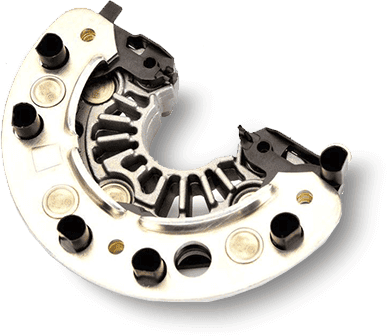
Products related to Rectifier:


-
Is there a difference between a rectifier and a bridge rectifier?
Yes, there is a difference between a rectifier and a bridge rectifier. A rectifier is a device that converts alternating current (AC) to direct current (DC) by allowing current to flow in only one direction. A bridge rectifier is a type of rectifier that uses four diodes in a bridge configuration to rectify AC voltage. The main difference is that a bridge rectifier is more efficient and can handle higher currents compared to a simple rectifier. **
-
What is the difference between a center-tapped rectifier and a bridge rectifier?
A center-tapped rectifier uses a transformer with a center tap on the secondary winding, while a bridge rectifier uses a configuration of diodes to rectify the AC input voltage. The center-tapped rectifier requires a transformer with a center tap, which may be more expensive and bulky, while the bridge rectifier does not require a center-tapped transformer and is more commonly used in practical applications. Additionally, the center-tapped rectifier only uses two diodes, while the bridge rectifier uses four diodes, making it more efficient in terms of voltage drop and power loss. **
-
How does a rectifier work?
A rectifier is an electrical device that converts alternating current (AC) to direct current (DC). It does this by utilizing diodes, which are electronic components that only allow current to flow in one direction. When the AC current passes through the rectifier, the diodes block the negative portion of the wave, allowing only the positive portion to pass through, resulting in a pulsating DC output. This pulsating DC can then be smoothed out using capacitors to create a more stable DC output. **
-
What is an improvising melody instrument and an accompanying rhythm group?
An improvising melody instrument is a musical instrument that is capable of playing improvised melodies, such as the saxophone, trumpet, or guitar. These instruments are able to create spontaneous and unique melodies during a musical performance. An accompanying rhythm group consists of instruments that provide the rhythmic foundation for the music, such as drums, bass, and keyboard. Together, the improvising melody instrument and the accompanying rhythm group work together to create a dynamic and cohesive musical experience, with the melody instrument taking the lead and the rhythm group providing the underlying groove and support. **


How can one bypass a rectifier?
Bypassing a rectifier involves connecting the AC input directly to the DC output, effectively bypassing the rectification process. This can be done by physically connecting the AC input terminal to the DC output terminal using a wire or jumper. However, bypassing a rectifier is not recommended as it can damage the circuit or device by allowing unregulated AC voltage to pass through the system. It is important to follow proper safety precautions and consult with a professional before attempting to bypass a rectifier. **
What is a full-wave rectifier?
A full-wave rectifier is an electronic circuit that converts alternating current (AC) to direct current (DC). It uses two diodes to allow both the positive and negative halves of the AC input signal to flow through, resulting in a more efficient conversion compared to a half-wave rectifier. This type of rectifier is commonly used in power supplies and other electronic devices to provide a steady DC output. **
Top-Angebote
Products related to Rectifier:
-
Does it belong more to rhythm, melody, and harmony?
The concept of harmony is most closely related to the interaction of different notes and chords in music. Harmony refers to the simultaneous sounding of different pitches to create a pleasing sound. While rhythm and melody are also important elements in music, harmony specifically deals with the vertical aspect of music, focusing on how notes and chords interact with each other. Therefore, harmony belongs more to the realm of harmony itself. **
-
What is the difference between rhythm, melody, and harmony?
Rhythm refers to the pattern of sounds and silences in music, creating a sense of movement and pulse. Melody is the sequence of musical notes that are perceived as a single entity, often the most recognizable and memorable part of a song. Harmony involves the combination of different musical notes played or sung simultaneously, creating a pleasing sound. While rhythm provides the framework for the timing of music, melody is the main tune, and harmony adds depth and richness to the overall sound. **
-
Is there a difference between a rectifier and a bridge rectifier?
Yes, there is a difference between a rectifier and a bridge rectifier. A rectifier is a device that converts alternating current (AC) to direct current (DC) by allowing current to flow in only one direction. A bridge rectifier is a type of rectifier that uses four diodes in a bridge configuration to rectify AC voltage. The main difference is that a bridge rectifier is more efficient and can handle higher currents compared to a simple rectifier. **
-
What is the difference between a center-tapped rectifier and a bridge rectifier?
A center-tapped rectifier uses a transformer with a center tap on the secondary winding, while a bridge rectifier uses a configuration of diodes to rectify the AC input voltage. The center-tapped rectifier requires a transformer with a center tap, which may be more expensive and bulky, while the bridge rectifier does not require a center-tapped transformer and is more commonly used in practical applications. Additionally, the center-tapped rectifier only uses two diodes, while the bridge rectifier uses four diodes, making it more efficient in terms of voltage drop and power loss. **
Similar search terms for Rectifier
-
How does a rectifier work?
A rectifier is an electrical device that converts alternating current (AC) to direct current (DC). It does this by utilizing diodes, which are electronic components that only allow current to flow in one direction. When the AC current passes through the rectifier, the diodes block the negative portion of the wave, allowing only the positive portion to pass through, resulting in a pulsating DC output. This pulsating DC can then be smoothed out using capacitors to create a more stable DC output. **
-
What is an improvising melody instrument and an accompanying rhythm group?
An improvising melody instrument is a musical instrument that is capable of playing improvised melodies, such as the saxophone, trumpet, or guitar. These instruments are able to create spontaneous and unique melodies during a musical performance. An accompanying rhythm group consists of instruments that provide the rhythmic foundation for the music, such as drums, bass, and keyboard. Together, the improvising melody instrument and the accompanying rhythm group work together to create a dynamic and cohesive musical experience, with the melody instrument taking the lead and the rhythm group providing the underlying groove and support. **
-
How can one bypass a rectifier?
Bypassing a rectifier involves connecting the AC input directly to the DC output, effectively bypassing the rectification process. This can be done by physically connecting the AC input terminal to the DC output terminal using a wire or jumper. However, bypassing a rectifier is not recommended as it can damage the circuit or device by allowing unregulated AC voltage to pass through the system. It is important to follow proper safety precautions and consult with a professional before attempting to bypass a rectifier. **
-
What is a full-wave rectifier?
A full-wave rectifier is an electronic circuit that converts alternating current (AC) to direct current (DC). It uses two diodes to allow both the positive and negative halves of the AC input signal to flow through, resulting in a more efficient conversion compared to a half-wave rectifier. This type of rectifier is commonly used in power supplies and other electronic devices to provide a steady DC output. **
* All prices are inclusive of VAT and, if applicable, plus shipping costs. The offer information is based on the details provided by the respective shop and is updated through automated processes. Real-time updates do not occur, so deviations can occur in individual cases. ** Note: Parts of this content were created by AI.