Buy musicin.eu ?
We are moving the project
musicin.eu .
Are you interested in purchasing the domain
musicin.eu ?
domain@kv-gmbh.de · 0541-91531010
Buy musicin.eu ?
Does it belong more to rhythm, melody, and harmony?
The concept of harmony is most closely related to the interaction of different notes and chords in music. Harmony refers to the simultaneous sounding of different pitches to create a pleasing sound. While rhythm and melody are also important elements in music, harmony specifically deals with the vertical aspect of music, focusing on how notes and chords interact with each other. Therefore, harmony belongs more to the realm of harmony itself. **
What is the difference between rhythm, melody, and harmony?
Rhythm refers to the pattern of sounds and silences in music, creating a sense of movement and pulse. Melody is the sequence of musical notes that are perceived as a single entity, often the most recognizable and memorable part of a song. Harmony involves the combination of different musical notes played or sung simultaneously, creating a pleasing sound. While rhythm provides the framework for the timing of music, melody is the main tune, and harmony adds depth and richness to the overall sound. **

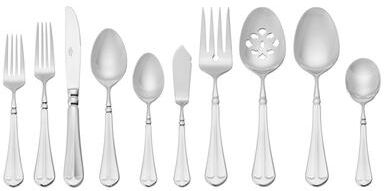
Similar search terms for Mikasa-Harmony-65-Piece-Flatware
Top-Angebote
Products related to Mikasa-Harmony-65-Piece-Flatware:
-
Mikasa Virtuoso Frost 65-Piece FlatwareTimeless and sophisticated, this Virtuoso Frost 65-Piece Flatware Set by Mikasa adds a dimensional element to classic teardrop handles, with a raised center that frames each piece with a narrow border accent.199,99 $*Shipping: 0,00 $Secure redirect to the provider
-
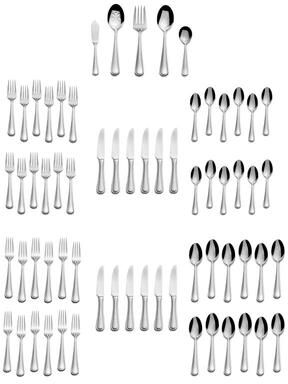
Mikasa Oliver 65-Piece Flatware SetServe 12 people with this 65-piece Mikasa Oliver flatware set. The dishwasher safe set features strong 18/10 stainless steel construction, and it includes dinner forks, salad forks, knives, spoons, and teaspoons plus serving pieces for convenient use.199,99 $*Shipping: 0,00 $Secure redirect to the provider



-
What is the difference between harmony and melody?
Harmony refers to the combination of different musical notes played or sung simultaneously to create a pleasing sound. It involves the use of chords and the relationship between different notes played together. On the other hand, melody is a sequence of single notes that are perceived as a single entity. It is the main theme or tune of a piece of music and is usually the most memorable part of a song. In summary, harmony involves the combination of notes played together, while melody is a sequence of single notes that form the main theme of a piece of music. **
-
'Harmony or assertiveness?'
Both harmony and assertiveness are important qualities in different situations. Harmony is crucial for maintaining positive relationships and fostering cooperation, while assertiveness is necessary for standing up for oneself, setting boundaries, and achieving goals. Striking a balance between the two is key to navigating various social interactions effectively. It is important to be assertive when needed, but also to prioritize harmony in order to maintain healthy relationships. **
-
How do I recognize the harmony of a piece of music?
To recognize the harmony of a piece of music, you can listen for the chords being played in the background. Chords are made up of multiple notes played simultaneously that create a sense of stability and support for the melody. Pay attention to how the chords change throughout the piece and how they interact with the melody. You can also look for patterns in the chord progressions, as certain progressions are commonly used in different genres of music to create a specific mood or feeling. **
-
Is the harmony correct?
Without knowing the specific context or details of the harmony in question, it is difficult to determine if it is correct. Harmony is subjective and can vary depending on the style of music and personal preferences. It is best to consult with a music theory expert or trusted musician to evaluate the correctness of the harmony. **

What does harmony mean?
Harmony refers to a pleasing combination of elements that work together to create a sense of balance, unity, and coherence. In music, harmony is the combination of different musical notes played or sung simultaneously to create a pleasing sound. In a broader sense, harmony can also refer to a state of peaceful coexistence and cooperation among people or elements in a system. Overall, harmony represents a sense of agreement, unity, and balance. **
How does Bob Dylan handle melody, rhythm, and harmony in A Hard Rain's A-Gonna Fall?
In "A Hard Rain's A-Gonna Fall," Bob Dylan utilizes a haunting melody that adds to the sense of urgency and impending doom in the song. The rhythm is steady and driving, propelling the song forward and adding to its intensity. Harmonically, Dylan uses simple chord progressions that enhance the emotional impact of the lyrics. Overall, Dylan's handling of melody, rhythm, and harmony in this song creates a powerful and evocative listening experience. **
Top-Angebote
Products related to Mikasa-Harmony-65-Piece-Flatware:
-
Mikasa Harmony 65-Piece FlatwareElevate your dining experience with the Mikasa Harmony Stainless Steel Accent Flatware Set. This fine 65-piece flatware set is crafted from 18/10 stainless steel and features a classic design with stunning gold and silver accents.399,99 $*Shipping: 0,00 $Secure redirect to the provider
-
Mikasa Virtuoso Frost 65-Piece FlatwareTimeless and sophisticated, this Virtuoso Frost 65-Piece Flatware Set by Mikasa adds a dimensional element to classic teardrop handles, with a raised center that frames each piece with a narrow border accent.199,99 $*Shipping: 0,00 $Secure redirect to the provider
-
Does it belong more to rhythm, melody, and harmony?
The concept of harmony is most closely related to the interaction of different notes and chords in music. Harmony refers to the simultaneous sounding of different pitches to create a pleasing sound. While rhythm and melody are also important elements in music, harmony specifically deals with the vertical aspect of music, focusing on how notes and chords interact with each other. Therefore, harmony belongs more to the realm of harmony itself. **
-
What is the difference between rhythm, melody, and harmony?
Rhythm refers to the pattern of sounds and silences in music, creating a sense of movement and pulse. Melody is the sequence of musical notes that are perceived as a single entity, often the most recognizable and memorable part of a song. Harmony involves the combination of different musical notes played or sung simultaneously, creating a pleasing sound. While rhythm provides the framework for the timing of music, melody is the main tune, and harmony adds depth and richness to the overall sound. **
-
What is the difference between harmony and melody?
Harmony refers to the combination of different musical notes played or sung simultaneously to create a pleasing sound. It involves the use of chords and the relationship between different notes played together. On the other hand, melody is a sequence of single notes that are perceived as a single entity. It is the main theme or tune of a piece of music and is usually the most memorable part of a song. In summary, harmony involves the combination of notes played together, while melody is a sequence of single notes that form the main theme of a piece of music. **
-
'Harmony or assertiveness?'
Both harmony and assertiveness are important qualities in different situations. Harmony is crucial for maintaining positive relationships and fostering cooperation, while assertiveness is necessary for standing up for oneself, setting boundaries, and achieving goals. Striking a balance between the two is key to navigating various social interactions effectively. It is important to be assertive when needed, but also to prioritize harmony in order to maintain healthy relationships. **
Similar search terms for Mikasa-Harmony-65-Piece-Flatware
-
Mikasa Oliver 65-Piece Flatware SetServe 12 people with this 65-piece Mikasa Oliver flatware set. The dishwasher safe set features strong 18/10 stainless steel construction, and it includes dinner forks, salad forks, knives, spoons, and teaspoons plus serving pieces for convenient use.199,99 $*Shipping: 0,00 $Secure redirect to the provider
-
Oneida American Harmony 20 Piece Everyday Flatware Set, Service For 4Classically decorative, always in style. The beaded border traces a wide tear-drop handle to evoke a finer past while staying firmly in the present. American Harmony: it's tested, it's trusted. It's harmonious.53,34 $*Shipping: 0,00 $Secure redirect to the provider
-
How do I recognize the harmony of a piece of music?
To recognize the harmony of a piece of music, you can listen for the chords being played in the background. Chords are made up of multiple notes played simultaneously that create a sense of stability and support for the melody. Pay attention to how the chords change throughout the piece and how they interact with the melody. You can also look for patterns in the chord progressions, as certain progressions are commonly used in different genres of music to create a specific mood or feeling. **
-
Is the harmony correct?
Without knowing the specific context or details of the harmony in question, it is difficult to determine if it is correct. Harmony is subjective and can vary depending on the style of music and personal preferences. It is best to consult with a music theory expert or trusted musician to evaluate the correctness of the harmony. **
-
What does harmony mean?
Harmony refers to a pleasing combination of elements that work together to create a sense of balance, unity, and coherence. In music, harmony is the combination of different musical notes played or sung simultaneously to create a pleasing sound. In a broader sense, harmony can also refer to a state of peaceful coexistence and cooperation among people or elements in a system. Overall, harmony represents a sense of agreement, unity, and balance. **
-
How does Bob Dylan handle melody, rhythm, and harmony in A Hard Rain's A-Gonna Fall?
In "A Hard Rain's A-Gonna Fall," Bob Dylan utilizes a haunting melody that adds to the sense of urgency and impending doom in the song. The rhythm is steady and driving, propelling the song forward and adding to its intensity. Harmonically, Dylan uses simple chord progressions that enhance the emotional impact of the lyrics. Overall, Dylan's handling of melody, rhythm, and harmony in this song creates a powerful and evocative listening experience. **
* All prices are inclusive of VAT and, if applicable, plus shipping costs. The offer information is based on the details provided by the respective shop and is updated through automated processes. Real-time updates do not occur, so deviations can occur in individual cases. ** Note: Parts of this content were created by AI.