Buy musicin.eu ?
We are moving the project
musicin.eu .
Are you interested in purchasing the domain
musicin.eu ?
domain@kv-gmbh.de · 0541-91531010
Buy musicin.eu ?
Does it belong more to rhythm, melody, and harmony?
The concept of harmony is most closely related to the interaction of different notes and chords in music. Harmony refers to the simultaneous sounding of different pitches to create a pleasing sound. While rhythm and melody are also important elements in music, harmony specifically deals with the vertical aspect of music, focusing on how notes and chords interact with each other. Therefore, harmony belongs more to the realm of harmony itself. **
What is the difference between rhythm, melody, and harmony?
Rhythm refers to the pattern of sounds and silences in music, creating a sense of movement and pulse. Melody is the sequence of musical notes that are perceived as a single entity, often the most recognizable and memorable part of a song. Harmony involves the combination of different musical notes played or sung simultaneously, creating a pleasing sound. While rhythm provides the framework for the timing of music, melody is the main tune, and harmony adds depth and richness to the overall sound. **


Similar search terms for Object
Top-Angebote
Products related to Object:
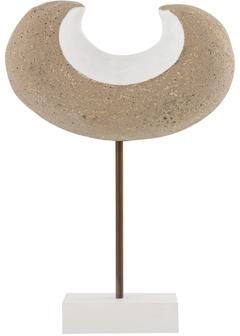
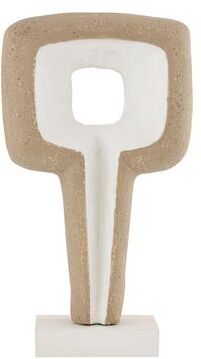

-
What is an improvising melody instrument and an accompanying rhythm group?
An improvising melody instrument is a musical instrument that is capable of playing improvised melodies, such as the saxophone, trumpet, or guitar. These instruments are able to create spontaneous and unique melodies during a musical performance. An accompanying rhythm group consists of instruments that provide the rhythmic foundation for the music, such as drums, bass, and keyboard. Together, the improvising melody instrument and the accompanying rhythm group work together to create a dynamic and cohesive musical experience, with the melody instrument taking the lead and the rhythm group providing the underlying groove and support. **
-
How does Bob Dylan handle melody, rhythm, and harmony in A Hard Rain's A-Gonna Fall?
In "A Hard Rain's A-Gonna Fall," Bob Dylan utilizes a haunting melody that adds to the sense of urgency and impending doom in the song. The rhythm is steady and driving, propelling the song forward and adding to its intensity. Harmonically, Dylan uses simple chord progressions that enhance the emotional impact of the lyrics. Overall, Dylan's handling of melody, rhythm, and harmony in this song creates a powerful and evocative listening experience. **
-
What is the difference between prepositional object and object?
The main difference between a prepositional object and an object is their relationship to the verb in a sentence. An object is a noun or pronoun that directly receives the action of the verb, while a prepositional object is the noun or pronoun that comes after a preposition and is related to the verb indirectly. In other words, an object is directly affected by the verb, while a prepositional object is connected to the verb through a preposition. **
-
'Substance or object?'
A substance is a type of matter that has a specific composition and properties, such as water or salt. An object, on the other hand, is a tangible item that can be seen and touched, such as a book or a chair. While substances are the fundamental building blocks of matter, objects are made up of one or more substances and have a distinct shape and form. **

What is the difference between object constancy and object permanence?
Object constancy refers to the ability to maintain a consistent emotional bond with a person despite changes in the environment or temporary absences. It involves understanding that people can still care for you even when they are not physically present. On the other hand, object permanence is the understanding that objects continue to exist even when they are out of sight. It is a cognitive milestone typically achieved in infancy, whereas object constancy is a more complex emotional concept that develops later in childhood. **
What is the difference between direct object and indirect object?
A direct object is a noun or pronoun that receives the action of the verb directly, while an indirect object is a noun or pronoun that receives the direct object. In other words, the direct object is the recipient of the action, while the indirect object is the recipient of the direct object. For example, in the sentence "She gave him a book," "book" is the direct object receiving the action of "gave," and "him" is the indirect object receiving the book. **
Top-Angebote
Products related to Object:
-
Elk Home Aston Decorative ObjectThe Aston Tabletop Sculpture is a round decorative object designed to sit upright on a bookshelf or credenza. Featuring a ring of black painted mango wood carved in a sunburst pattern, this sculpture makes a dramatic statement.114,00 $*Shipping: 0,00 $Secure redirect to the provider
-
Sagebrook Home Abstract Iron Decorative ObjectEnhance your home decor with our stunning line of Decorative Accessories. Our decorative accents will inspire your creativity while designing your home and outdoor spaces. A great addition and decoration for upscale hotels and offices.46,49 $*Shipping: 0,00 $Secure redirect to the provider
-
Does it belong more to rhythm, melody, and harmony?
The concept of harmony is most closely related to the interaction of different notes and chords in music. Harmony refers to the simultaneous sounding of different pitches to create a pleasing sound. While rhythm and melody are also important elements in music, harmony specifically deals with the vertical aspect of music, focusing on how notes and chords interact with each other. Therefore, harmony belongs more to the realm of harmony itself. **
-
What is the difference between rhythm, melody, and harmony?
Rhythm refers to the pattern of sounds and silences in music, creating a sense of movement and pulse. Melody is the sequence of musical notes that are perceived as a single entity, often the most recognizable and memorable part of a song. Harmony involves the combination of different musical notes played or sung simultaneously, creating a pleasing sound. While rhythm provides the framework for the timing of music, melody is the main tune, and harmony adds depth and richness to the overall sound. **
-
What is an improvising melody instrument and an accompanying rhythm group?
An improvising melody instrument is a musical instrument that is capable of playing improvised melodies, such as the saxophone, trumpet, or guitar. These instruments are able to create spontaneous and unique melodies during a musical performance. An accompanying rhythm group consists of instruments that provide the rhythmic foundation for the music, such as drums, bass, and keyboard. Together, the improvising melody instrument and the accompanying rhythm group work together to create a dynamic and cohesive musical experience, with the melody instrument taking the lead and the rhythm group providing the underlying groove and support. **
-
How does Bob Dylan handle melody, rhythm, and harmony in A Hard Rain's A-Gonna Fall?
In "A Hard Rain's A-Gonna Fall," Bob Dylan utilizes a haunting melody that adds to the sense of urgency and impending doom in the song. The rhythm is steady and driving, propelling the song forward and adding to its intensity. Harmonically, Dylan uses simple chord progressions that enhance the emotional impact of the lyrics. Overall, Dylan's handling of melody, rhythm, and harmony in this song creates a powerful and evocative listening experience. **
Similar search terms for Object
-
What is the difference between prepositional object and object?
The main difference between a prepositional object and an object is their relationship to the verb in a sentence. An object is a noun or pronoun that directly receives the action of the verb, while a prepositional object is the noun or pronoun that comes after a preposition and is related to the verb indirectly. In other words, an object is directly affected by the verb, while a prepositional object is connected to the verb through a preposition. **
-
'Substance or object?'
A substance is a type of matter that has a specific composition and properties, such as water or salt. An object, on the other hand, is a tangible item that can be seen and touched, such as a book or a chair. While substances are the fundamental building blocks of matter, objects are made up of one or more substances and have a distinct shape and form. **
-
What is the difference between object constancy and object permanence?
Object constancy refers to the ability to maintain a consistent emotional bond with a person despite changes in the environment or temporary absences. It involves understanding that people can still care for you even when they are not physically present. On the other hand, object permanence is the understanding that objects continue to exist even when they are out of sight. It is a cognitive milestone typically achieved in infancy, whereas object constancy is a more complex emotional concept that develops later in childhood. **
-
What is the difference between direct object and indirect object?
A direct object is a noun or pronoun that receives the action of the verb directly, while an indirect object is a noun or pronoun that receives the direct object. In other words, the direct object is the recipient of the action, while the indirect object is the recipient of the direct object. For example, in the sentence "She gave him a book," "book" is the direct object receiving the action of "gave," and "him" is the indirect object receiving the book. **
* All prices are inclusive of VAT and, if applicable, plus shipping costs. The offer information is based on the details provided by the respective shop and is updated through automated processes. Real-time updates do not occur, so deviations can occur in individual cases. ** Note: Parts of this content were created by AI.