Buy musicin.eu ?
We are moving the project
musicin.eu .
Are you interested in purchasing the domain
musicin.eu ?
domain@kv-gmbh.de · 0541-91531010
Buy musicin.eu ?
What are orchestral arrangements?
Orchestral arrangements refer to the musical composition and organization of a piece of music for an orchestra. This involves determining which instruments will play which parts, as well as the overall structure and dynamics of the piece. Orchestral arrangements can involve adapting a piece of music originally written for a different ensemble or creating a new arrangement of an existing composition. The goal of orchestral arrangements is to showcase the unique timbres and capabilities of the various instruments in the orchestra while creating a cohesive and expressive musical performance. **
What is an orchestral musician?
An orchestral musician is a professional musician who plays a musical instrument as part of an orchestra. They are highly skilled in their instrument and are able to perform a wide range of musical styles and genres. Orchestral musicians work together with other musicians in the orchestra to create a cohesive and harmonious sound, following the direction of a conductor. They often perform in concert halls, theaters, and other venues, bringing music to audiences around the world. **


Similar search terms for Orchestral
Top-Angebote
Products related to Orchestral:
-
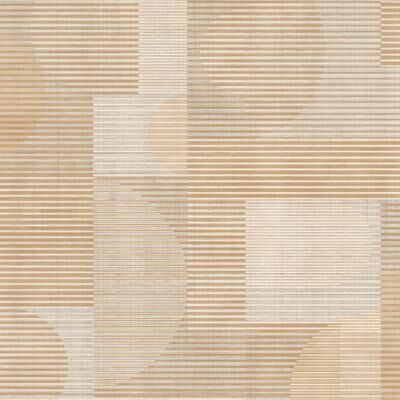
Veer Decor Geo Rhythm WallpaperEnter a world of modern shape and texture where clean lines and geometric forms create a sense of movement and harmony. The subtle embossed texture enhances the tactile experience, giving the design a rich, dimensional feel.149,99 $*Shipping: 0,00 $Secure redirect to the provider
-
Uplifted Finds Sanrio Plush Dolls Hello Kitty My Melody Cinnamoroll Pochacco Backpack Handbag Ornament melodyCelebrate your favorite Sanrio characters with these adorable Sanrio plush dolls featuring Hello Kitty, My Melody, Cinnamoroll, and Pochacco. Each plush is made from soft, highquality fabric, perfect for use as a backpack, handbag ornament, or...97,97 $*Shipping: 0,00 $Secure redirect to the provider
-
Uplift Essentials 311nm Narrowband UVB Phototherapy Instrument 311nm Narrowband UVB Phototherapy InstrumentManage chronic, persistent skin spot conditions and restore localized skin balance from the privacy and comfort of your own home. The 311nm Narrowband UVB Phototherapy Instrument provides a targeted, clinicalgrade light solution engineered...148,47 $*Shipping: 0,00 $Secure redirect to the provider
-
Rhythm Clocks Wall Clock Silver OversizedA beautiful golden cased square wall clock featuring Rhythm's signature silent silky sweep movement. The clock features an ultra-precise quartz movement that will keep perfect time for a lifetime. It also features a white face, 3D black Arabic numerals, straight black hands and a golden sweeping second hand. Requires 1 x AA battery and is simply hung from a single hook. Rhythm Clocks Colour: Silver, Size: Oversized48,99 £*Shipping: 4,99 £Secure redirect to the provider


-
Does it belong more to rhythm, melody, and harmony?
The concept of harmony is most closely related to the interaction of different notes and chords in music. Harmony refers to the simultaneous sounding of different pitches to create a pleasing sound. While rhythm and melody are also important elements in music, harmony specifically deals with the vertical aspect of music, focusing on how notes and chords interact with each other. Therefore, harmony belongs more to the realm of harmony itself. **
-
What is the difference between rhythm, melody, and harmony?
Rhythm refers to the pattern of sounds and silences in music, creating a sense of movement and pulse. Melody is the sequence of musical notes that are perceived as a single entity, often the most recognizable and memorable part of a song. Harmony involves the combination of different musical notes played or sung simultaneously, creating a pleasing sound. While rhythm provides the framework for the timing of music, melody is the main tune, and harmony adds depth and richness to the overall sound. **
-
What are orchestral cyclic large forms?
Orchestral cyclic large forms are musical compositions that consist of multiple movements or sections that are thematically related and interconnected. These forms often feature recurring motifs or themes that unify the different parts of the composition. The cyclic nature of these forms allows for a sense of cohesion and continuity throughout the entire piece. Examples of orchestral cyclic large forms include symphonies, concertos, and tone poems. **
-
How can one compose virtual orchestral music?
To compose virtual orchestral music, one can start by choosing a digital audio workstation (DAW) software that supports orchestral sample libraries. Next, select high-quality orchestral sample libraries that include a variety of instruments such as strings, brass, woodwinds, and percussion. Then, familiarize oneself with the different articulations and techniques available for each instrument to create realistic and expressive performances. Finally, arrange the orchestral parts, paying attention to dynamics, phrasing, and balance to achieve a cohesive and emotive composition. **

How can one compose orchestral digital music?
To compose orchestral digital music, one can start by selecting a digital audio workstation (DAW) software that supports orchestral sounds and instruments. Next, they can choose high-quality orchestral sample libraries or virtual instruments to create realistic orchestral sounds. It is important to have a good understanding of orchestration and music theory to effectively arrange the different instruments in the composition. Experimenting with different combinations of instruments, melodies, harmonies, and rhythms can help in creating a dynamic and engaging orchestral piece. **
What is the orchestral instrumentation in classical music?
Orchestral instrumentation in classical music typically includes four main families of instruments: strings (violins, violas, cellos, double basses), woodwinds (flutes, oboes, clarinets, bassoons), brass (trumpets, French horns, trombones, tuba), and percussion (timpani, snare drum, cymbals). Each family of instruments plays a unique role in creating the rich and diverse sound of the orchestra. The combination of these instruments allows composers to create a wide range of textures and dynamics in their compositions, making orchestral music one of the most versatile and expressive forms of music. **
Top-Angebote
Products related to Orchestral:
-
Rockburn RockJam Adjustable Orchestral Sheet Music StandThe deluxe orchsetral sheet music stand is a high quality, robust and sturdy stand fit for all purposes and playing positions. It features a large 475mm x 345mm book plate which can be angled, while its strurdy tripod base offers a confident stance wherever placed. Large 475mm x 345mm book plate with fully adjustable angle. Matt black finsh. Fully adjustable from 940mm to 1420mm (from floor to top). Model g905. Batteries (not included). Suitable for suitable for all sheet music. Size H61.5, W36.5, D12.5cm....38,49 £*Shipping: 0,00 £Secure redirect to the provider
-
Uplift Picks Sanrio Melody Double Layer Straw Water Bottle 450ml melodyStay refreshed in the cutest way possible. This Sanrio Melody water bottle combines playful cartoon charm with everyday practicality. Designed as a 450ml cartoon straw cup, it features a secure lid and built in straw for easy sipping on the go. The...102,48 $*Shipping: 0,00 $Secure redirect to the provider
-
Veer Decor Geo Rhythm WallpaperEnter a world of modern shape and texture where clean lines and geometric forms create a sense of movement and harmony. The subtle embossed texture enhances the tactile experience, giving the design a rich, dimensional feel.149,99 $*Shipping: 0,00 $Secure redirect to the provider
-
Uplifted Finds Sanrio Plush Dolls Hello Kitty My Melody Cinnamoroll Pochacco Backpack Handbag Ornament melodyCelebrate your favorite Sanrio characters with these adorable Sanrio plush dolls featuring Hello Kitty, My Melody, Cinnamoroll, and Pochacco. Each plush is made from soft, highquality fabric, perfect for use as a backpack, handbag ornament, or...97,97 $*Shipping: 0,00 $Secure redirect to the provider
-
What are orchestral arrangements?
Orchestral arrangements refer to the musical composition and organization of a piece of music for an orchestra. This involves determining which instruments will play which parts, as well as the overall structure and dynamics of the piece. Orchestral arrangements can involve adapting a piece of music originally written for a different ensemble or creating a new arrangement of an existing composition. The goal of orchestral arrangements is to showcase the unique timbres and capabilities of the various instruments in the orchestra while creating a cohesive and expressive musical performance. **
-
What is an orchestral musician?
An orchestral musician is a professional musician who plays a musical instrument as part of an orchestra. They are highly skilled in their instrument and are able to perform a wide range of musical styles and genres. Orchestral musicians work together with other musicians in the orchestra to create a cohesive and harmonious sound, following the direction of a conductor. They often perform in concert halls, theaters, and other venues, bringing music to audiences around the world. **
-
Does it belong more to rhythm, melody, and harmony?
The concept of harmony is most closely related to the interaction of different notes and chords in music. Harmony refers to the simultaneous sounding of different pitches to create a pleasing sound. While rhythm and melody are also important elements in music, harmony specifically deals with the vertical aspect of music, focusing on how notes and chords interact with each other. Therefore, harmony belongs more to the realm of harmony itself. **
-
What is the difference between rhythm, melody, and harmony?
Rhythm refers to the pattern of sounds and silences in music, creating a sense of movement and pulse. Melody is the sequence of musical notes that are perceived as a single entity, often the most recognizable and memorable part of a song. Harmony involves the combination of different musical notes played or sung simultaneously, creating a pleasing sound. While rhythm provides the framework for the timing of music, melody is the main tune, and harmony adds depth and richness to the overall sound. **
Similar search terms for Orchestral
-
Uplift Essentials 311nm Narrowband UVB Phototherapy Instrument 311nm Narrowband UVB Phototherapy InstrumentManage chronic, persistent skin spot conditions and restore localized skin balance from the privacy and comfort of your own home. The 311nm Narrowband UVB Phototherapy Instrument provides a targeted, clinicalgrade light solution engineered...148,47 $*Shipping: 0,00 $Secure redirect to the provider
-
Rhythm Clocks Wall Clock Silver OversizedA beautiful golden cased square wall clock featuring Rhythm's signature silent silky sweep movement. The clock features an ultra-precise quartz movement that will keep perfect time for a lifetime. It also features a white face, 3D black Arabic numerals, straight black hands and a golden sweeping second hand. Requires 1 x AA battery and is simply hung from a single hook. Rhythm Clocks Colour: Silver, Size: Oversized48,99 £*Shipping: 4,99 £Secure redirect to the provider
-
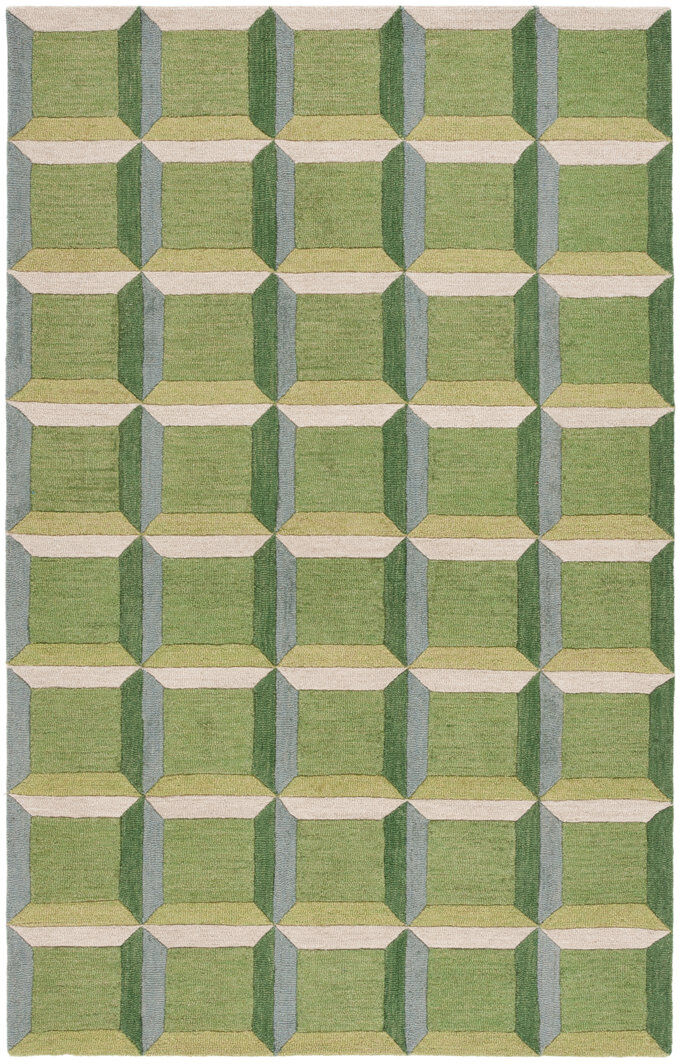
Metro Genre Geometric Area Rug In Green / Beige Green;Beige Square 183 cmCavaco rugs display the whimsical designs and spirited colours of Americana, country fair style. Hand tufted using pure wool in a soft, cushioned loop pile, Cavaco lends a warm, welcoming character to any classy-casual room décor. Metro Lane Rug Size: Square 183 cm117,99 £*Shipping: 0,00 £Secure redirect to the provider
-
Metro Genre Geometric Area Rug In Green / Beige Green;Beige Round 183 cmCavaco rugs display the whimsical designs and spirited colours of Americana, country fair style. Hand tufted using pure wool in a soft, cushioned loop pile, Cavaco lends a warm, welcoming character to any classy-casual room décor. Metro Lane Rug Size: Round 183 cm123,99 £*Shipping: 0,00 £Secure redirect to the provider
-
What are orchestral cyclic large forms?
Orchestral cyclic large forms are musical compositions that consist of multiple movements or sections that are thematically related and interconnected. These forms often feature recurring motifs or themes that unify the different parts of the composition. The cyclic nature of these forms allows for a sense of cohesion and continuity throughout the entire piece. Examples of orchestral cyclic large forms include symphonies, concertos, and tone poems. **
-
How can one compose virtual orchestral music?
To compose virtual orchestral music, one can start by choosing a digital audio workstation (DAW) software that supports orchestral sample libraries. Next, select high-quality orchestral sample libraries that include a variety of instruments such as strings, brass, woodwinds, and percussion. Then, familiarize oneself with the different articulations and techniques available for each instrument to create realistic and expressive performances. Finally, arrange the orchestral parts, paying attention to dynamics, phrasing, and balance to achieve a cohesive and emotive composition. **
-
How can one compose orchestral digital music?
To compose orchestral digital music, one can start by selecting a digital audio workstation (DAW) software that supports orchestral sounds and instruments. Next, they can choose high-quality orchestral sample libraries or virtual instruments to create realistic orchestral sounds. It is important to have a good understanding of orchestration and music theory to effectively arrange the different instruments in the composition. Experimenting with different combinations of instruments, melodies, harmonies, and rhythms can help in creating a dynamic and engaging orchestral piece. **
-
What is the orchestral instrumentation in classical music?
Orchestral instrumentation in classical music typically includes four main families of instruments: strings (violins, violas, cellos, double basses), woodwinds (flutes, oboes, clarinets, bassoons), brass (trumpets, French horns, trombones, tuba), and percussion (timpani, snare drum, cymbals). Each family of instruments plays a unique role in creating the rich and diverse sound of the orchestra. The combination of these instruments allows composers to create a wide range of textures and dynamics in their compositions, making orchestral music one of the most versatile and expressive forms of music. **
* All prices are inclusive of VAT and, if applicable, plus shipping costs. The offer information is based on the details provided by the respective shop and is updated through automated processes. Real-time updates do not occur, so deviations can occur in individual cases. ** Note: Parts of this content were created by AI.