Buy musicin.eu ?
We are moving the project
musicin.eu .
Are you interested in purchasing the domain
musicin.eu ?
domain@kv-gmbh.de · 0541-91531010
Buy musicin.eu ?
Does it belong more to rhythm, melody, and harmony?
The concept of harmony is most closely related to the interaction of different notes and chords in music. Harmony refers to the simultaneous sounding of different pitches to create a pleasing sound. While rhythm and melody are also important elements in music, harmony specifically deals with the vertical aspect of music, focusing on how notes and chords interact with each other. Therefore, harmony belongs more to the realm of harmony itself. **
What is the difference between rhythm, melody, and harmony?
Rhythm refers to the pattern of sounds and silences in music, creating a sense of movement and pulse. Melody is the sequence of musical notes that are perceived as a single entity, often the most recognizable and memorable part of a song. Harmony involves the combination of different musical notes played or sung simultaneously, creating a pleasing sound. While rhythm provides the framework for the timing of music, melody is the main tune, and harmony adds depth and richness to the overall sound. **
Similar search terms for Professor
Top-Angebote
Products related to Professor:
-
William Collins The Universe by Andrew Cohen BBC TV Series Book Presented by Professor Brian CoxEvery night, above our heads, a drama of epic proportions is playing out. Diamond planets, zombie stars, black holes heavier than a billion Suns. The cast of characters is extraordinary, and each one has its own incredible story to tell. We once thought of our Earth as unique, but we have now discovered thousands of alien planets, and that’s barely a fraction of the worlds that are out there. And there are more stars in the Universe than grains of sand on every planet in the Solar System. But amid all this vastness, the Milky Way Galaxy, our Sun and the Earth are home to the only known life in the Universe – at least for now. With a foreword from Professor Brian Cox, and access to all the latest stunning NASA photography, Andrew Cohen takes readers on a voyage of discovery, via the probes and telescopes exploring the outer reaches of our galaxy, revealing how it was formed and how it will inevitably be destroyed by the enigmatic black hole at its heart. And beyond our galaxy, the expanding Universe, which holds clues to the biggest mystery of all – how did it all begin? We now know more about those first moments of existence than we ever thought possible, and hidden in this story of how it all began are the clues to the fate of the Universe itself and everything in it.7,99 £*Shipping: 2,99 £Secure redirect to the provider
-
Robinson Overcoming Mood Swings: A self-help guide using cognitive behavioural techniques by Professor Jan Scott MD FRCPsychMost people know what it is like to experience high or low spirits. For some individuals, however, emotional extremes can seriously disrupt their lives, either because they happen too frequently or because the mood swings are intense and are accompanied by other symptoms of depression or mania.This book is a self-help manual for those who have experienced mood swings and gives background information on depression and mania. The author uses tried and tested practical techniques that will help people identify and manage their mood more effectively, and achieve a more stable emotional state.Contains a complete self-help programme and monitoring sheets.Overcoming self-help guides use clinically proven techniques to treat long-standing and disabling conditions, both psychological and physical. Many guides in the Overcoming series are recommended under the Reading Well Books on Prescription scheme.10,99 £*Shipping: 2,99 £Secure redirect to the provider
-
Ebury Publishing Professor Steve Peters 3 Books Collection Set The Silent Guides, My Hidden Chimp, The Chimp ParadoxProfessor Steve Peters 3 Books Set Collection Professor steve peters The Chimp Paradox Do you sabotage your own happiness and success? Are you struggling to make sense of yourself? Do your emotions sometimes dictate your life? The Chimp Paradox is an incredibly powerful mind management model that can help you become a happy; confident; healthier and more successful person. Prof Steve Peters explains the struggle that takes place within your mind and then shows how to apply this understanding to every area of your life so you can. Recognise how your mind is working Understand and manage your emotions and thoughts- Manage yourself and become the person you would like to be. The Chimp Mind Management Model is based on scientific facts and principles; which have been simplified into a workable model for easy use. It will help you to develop yourself and give you the skills; for example; to remove anxiety; have confidence and choose your emotions. The book will do this by giving you an understanding of the way in which your mind works and how you can manage it. It will also help you to identify what is holding you back or preventing you from having a happier and more successful life. Each chapter explains different aspects of how you function and highlights key facts for you to understand. There are also exercises for you to work with. By undertaking these exercises you will see immediate improvements in your daily living and; over time; you will develop emotional skills and practical habits that will help you to become the person that you want to be; and live the life that you want to live. The Silent Guides Understanding and developing the mind throughout life - the NEW book from the creator of the chimp management mind model and author of the million copy selling The Chimp Paradox. The Silent Guides explores some neuroscience and psychological aspects of the developing mind; unconscious thinking; behaviours; habit formation and related topics in an easy to understand way. It then offers practical ideas and thoughts for the reader to reflect on using 10 helpful habits as examples. This book has two themes:- To help adults to consider and understand where some of their unhealthy or destructive learnt behaviours and beliefs might have come from; and then offer ways to replace them with healthy and constructive behaviours and beliefs. - To offer ideas and support to parents; teachers or carers that could help children to form healthy and constructive habits and prevent unhealthy or destructive habits from developing. Examples of unhelpful thinking; behaviours and habits that can be changed include: Being overly self-critical Fear of failure and unforgiving perfectionism Worrying excessively or overreacting to situations Procrastinating Living with low self-esteemExamples of helpful thinking; behaviours and habits include:Smiling Getting over mistakes Developing a positive outlook Being able to talk through your feelings Seeking appropriate help Being...21,99 £*Shipping: 2,99 £Secure redirect to the provider
-
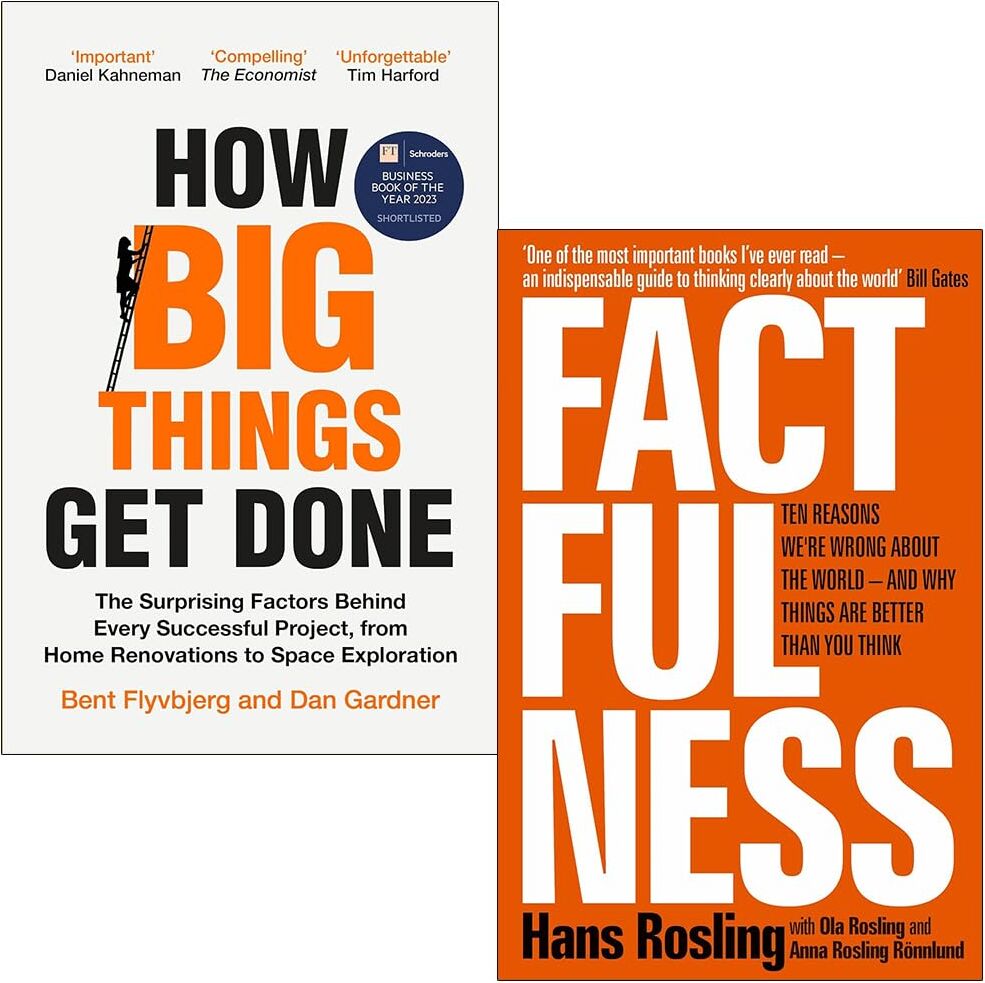
Macmillan Business/Sceptre ltd How Big Things Get Done By Professor Bent Flyvbjerg, Dan Gardner and Factfulness Ten Reasons We'Re Wrong About The World By Hans Rosling, Ola Rosling,How Big Things Get Done By Professor Bent Flyvbjerg, Dan Gardner and Factfulness Ten Reasons We'Re Wrong About The World By Hans Rosling, Ola Rosling, Anna Rosling Rönnlund 2 Books Collection Set Factfulness Ten Reasons We'Re Wrong About The World: In Factfulness, Professor of International Health and a man who can make data sing, Hans Rosling, together with his two long-time collaborators Anna and Ola, offers a radical new explanation of why this happens, and reveals the ten instincts that distort our perspective. It turns out that the world, for all its imperfections, is in a much better state than we might think. But when we worry about everything all the time instead of embracing a worldview based on facts, we can lose our ability to focus on the things that threaten us most. How Big Things Get Done: In How Big Things Get Done, he identifies the errors that lead projects to fail, and the research-based principles that will make yours succeed:Understand your odds. If you don’t know them, you won’t win.Plan slow, act fast. Getting to the action quick feels right. But it’s wrong.Think right to left. Start with your goal, then identify the steps to get there.Find your Lego. Big is best built from small.Master the unknown unknowns. Most think they can’t, so they fail. Flyvbjerg shows how you can.Full of vivid examples ranging from the building of the Sydney Opera House to the making of the latest Pixar blockbusters, How Big Things Get Done reveals how to get any ambitious project done – on time and on budget.13,99 £*Shipping: 2,99 £Secure redirect to the provider

-
What is an improvising melody instrument and an accompanying rhythm group?
An improvising melody instrument is a musical instrument that is capable of playing improvised melodies, such as the saxophone, trumpet, or guitar. These instruments are able to create spontaneous and unique melodies during a musical performance. An accompanying rhythm group consists of instruments that provide the rhythmic foundation for the music, such as drums, bass, and keyboard. Together, the improvising melody instrument and the accompanying rhythm group work together to create a dynamic and cohesive musical experience, with the melody instrument taking the lead and the rhythm group providing the underlying groove and support. **
-
How does Bob Dylan handle melody, rhythm, and harmony in A Hard Rain's A-Gonna Fall?
In "A Hard Rain's A-Gonna Fall," Bob Dylan utilizes a haunting melody that adds to the sense of urgency and impending doom in the song. The rhythm is steady and driving, propelling the song forward and adding to its intensity. Harmonically, Dylan uses simple chord progressions that enhance the emotional impact of the lyrics. Overall, Dylan's handling of melody, rhythm, and harmony in this song creates a powerful and evocative listening experience. **
-
What happened to Professor Flitwick?
Professor Flitwick, the Charms professor at Hogwarts School of Witchcraft and Wizardry, continued to teach at the school throughout the Harry Potter series. He was a skilled wizard and a beloved teacher among the students. Professor Flitwick played a key role in helping Harry Potter and his friends during their adventures, particularly in teaching them various charms and spells to aid them in their quests. **
-
What distinguishes a good professor?
A good professor is distinguished by their expertise in their field, their ability to effectively communicate complex ideas to students, and their dedication to helping students learn and succeed. They should be approachable, supportive, and willing to go the extra mile to ensure that their students understand the material. A good professor also fosters a positive and inclusive learning environment, encouraging critical thinking and active participation from their students. **


The professor asks a question.
The professor asks a question to engage the students and encourage critical thinking. This allows the students to participate in the discussion and demonstrate their understanding of the material. It also helps the professor gauge the students' comprehension and adjust the lesson accordingly. Overall, the professor asking a question is a valuable teaching tool that promotes active learning in the classroom. **
Should I thank the professor?
Yes, it is always a good idea to thank your professor for their time and effort in teaching and guiding you. Expressing gratitude can help build a positive relationship with your professor and show that you appreciate their support. A simple thank you can go a long way in fostering a respectful and appreciative academic environment. **
Top-Angebote
Products related to Professor:
-
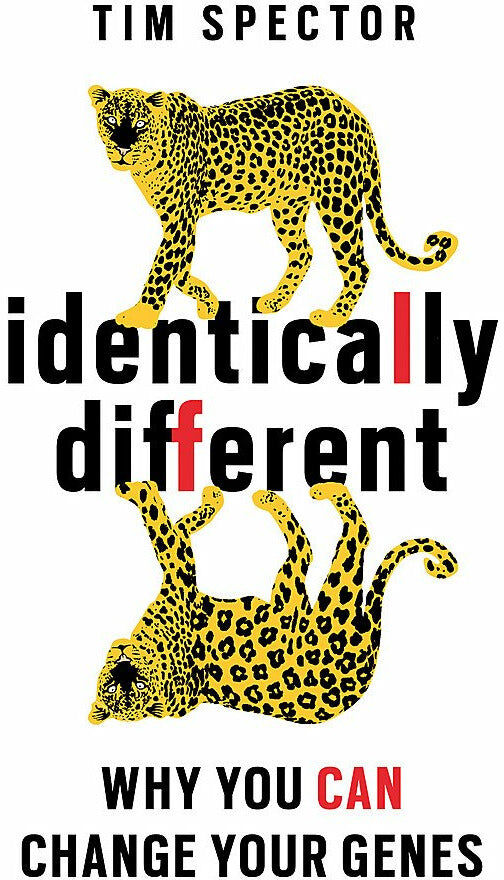
Orion Identically Different: Why You Can Change Your Genes by Professor Tim SpectorSince the discovery of DNA, scientists have believed that genes are fixed entities that cannot be changed by environment - we inherit them, pass them on to our children and take them with us when we die.Professor Tim Spector reveals how the latest genetic research and his own pioneering studies on epigenetics are rewriting everything we thought we knew about genes, identity and evolution. Conceptually, he explains, our genes are not fixed entities but more like plastic, able to change shape and evolve, and these changes can be passed on to future generations.Tim Spector's dazzling guide to the hidden world of our genes reveals the complex role they play in shaping our identities, and will make you think again about everything from sexuality to religion, cancer to autism, politics to pubic hair, clones to bacteria, and what it is that makes us all so unique and quintessentially human.3,70 £*Shipping: 1,99 £Secure redirect to the provider
-
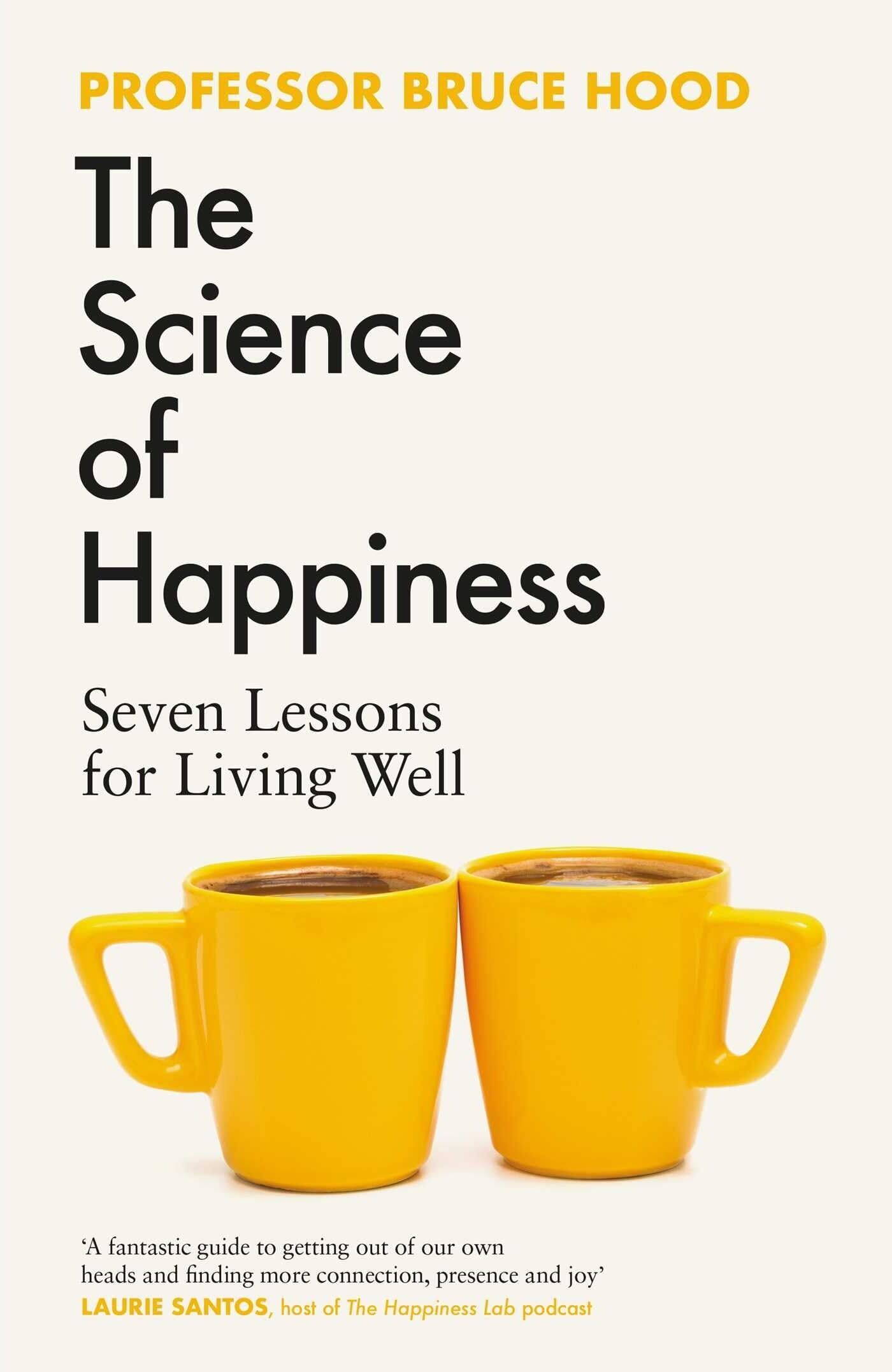
Simon & Schuster The Science of Happiness: Seven Lessons for Living Well By Professor Bruce HoodWe all want to be happier, but our brains often get in the way. When we’re too stuck in our heads we obsess over our inadequacies, compare ourselves with others and fail to see the good in our lives. In The Science of Happiness, world-leading psychologist and happiness expert Bruce Hood demonstrates that the key to happiness is not self-care but connection. He presents seven simple but life-changing lessons to break negative thought patterns and re-connect with the things that really matter. Alter Your Ego Avoid Isolation Reject Negative Comparisons Become More Optimistic Control Your Attention Connect With Others Get Out of Your Own Head Grounded in decades of studies in neuroscience and developmental psychology, this book tells a radical new story about the roots of wellbeing and the obstacles that lie in our path. With clear, practical takeaways throughout, Professor Hood demonstrates how we can all harness the findings of this science to re-wire our thinking and transform our lives.2,95 £*Shipping: 1,99 £Secure redirect to the provider
-
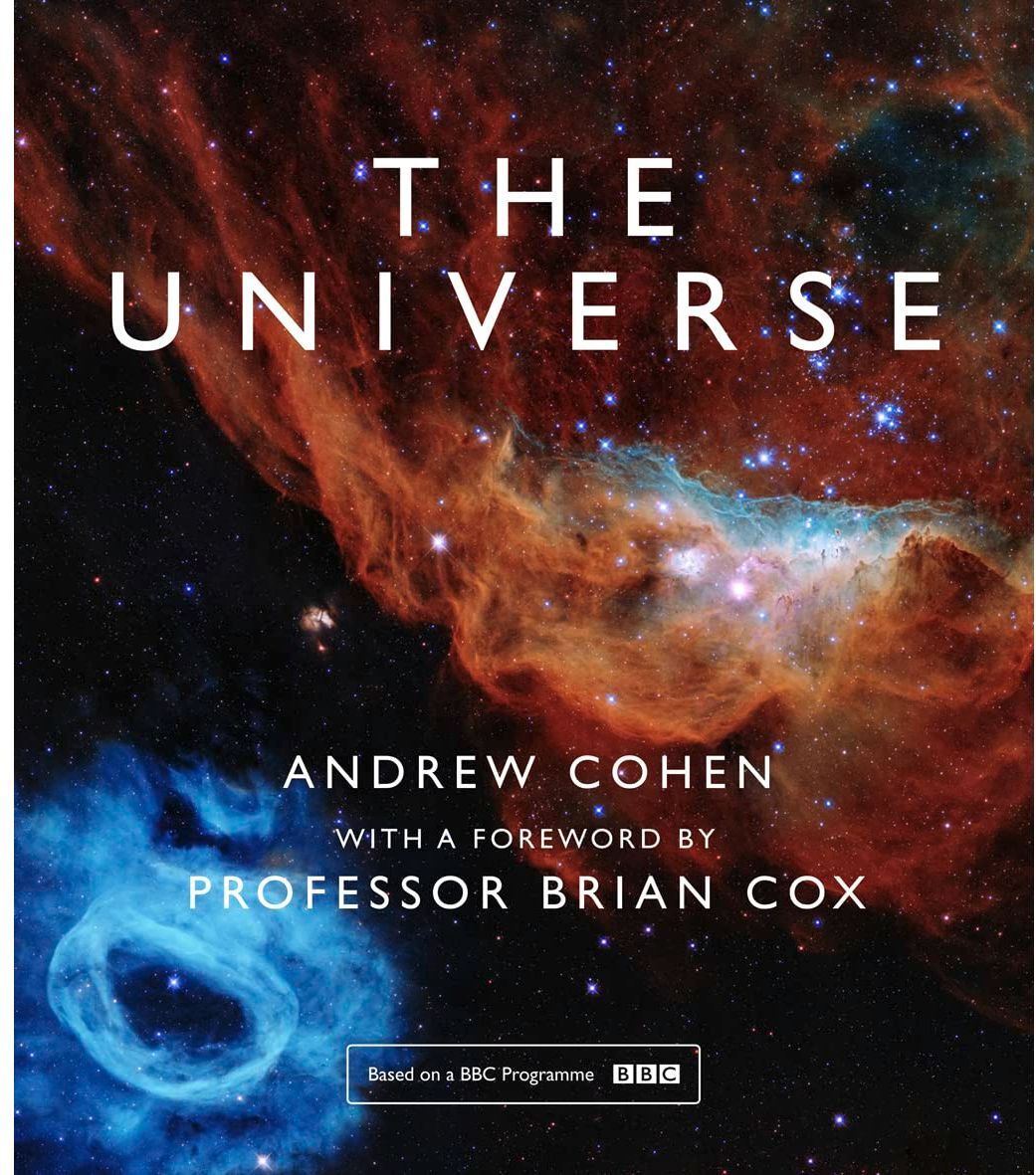
William Collins The Universe by Andrew Cohen BBC TV Series Book Presented by Professor Brian CoxEvery night, above our heads, a drama of epic proportions is playing out. Diamond planets, zombie stars, black holes heavier than a billion Suns. The cast of characters is extraordinary, and each one has its own incredible story to tell. We once thought of our Earth as unique, but we have now discovered thousands of alien planets, and that’s barely a fraction of the worlds that are out there. And there are more stars in the Universe than grains of sand on every planet in the Solar System. But amid all this vastness, the Milky Way Galaxy, our Sun and the Earth are home to the only known life in the Universe – at least for now. With a foreword from Professor Brian Cox, and access to all the latest stunning NASA photography, Andrew Cohen takes readers on a voyage of discovery, via the probes and telescopes exploring the outer reaches of our galaxy, revealing how it was formed and how it will inevitably be destroyed by the enigmatic black hole at its heart. And beyond our galaxy, the expanding Universe, which holds clues to the biggest mystery of all – how did it all begin? We now know more about those first moments of existence than we ever thought possible, and hidden in this story of how it all began are the clues to the fate of the Universe itself and everything in it.7,99 £*Shipping: 2,99 £Secure redirect to the provider
-
Robinson Overcoming Mood Swings: A self-help guide using cognitive behavioural techniques by Professor Jan Scott MD FRCPsychMost people know what it is like to experience high or low spirits. For some individuals, however, emotional extremes can seriously disrupt their lives, either because they happen too frequently or because the mood swings are intense and are accompanied by other symptoms of depression or mania.This book is a self-help manual for those who have experienced mood swings and gives background information on depression and mania. The author uses tried and tested practical techniques that will help people identify and manage their mood more effectively, and achieve a more stable emotional state.Contains a complete self-help programme and monitoring sheets.Overcoming self-help guides use clinically proven techniques to treat long-standing and disabling conditions, both psychological and physical. Many guides in the Overcoming series are recommended under the Reading Well Books on Prescription scheme.10,99 £*Shipping: 2,99 £Secure redirect to the provider
-
Does it belong more to rhythm, melody, and harmony?
The concept of harmony is most closely related to the interaction of different notes and chords in music. Harmony refers to the simultaneous sounding of different pitches to create a pleasing sound. While rhythm and melody are also important elements in music, harmony specifically deals with the vertical aspect of music, focusing on how notes and chords interact with each other. Therefore, harmony belongs more to the realm of harmony itself. **
-
What is the difference between rhythm, melody, and harmony?
Rhythm refers to the pattern of sounds and silences in music, creating a sense of movement and pulse. Melody is the sequence of musical notes that are perceived as a single entity, often the most recognizable and memorable part of a song. Harmony involves the combination of different musical notes played or sung simultaneously, creating a pleasing sound. While rhythm provides the framework for the timing of music, melody is the main tune, and harmony adds depth and richness to the overall sound. **
-
What is an improvising melody instrument and an accompanying rhythm group?
An improvising melody instrument is a musical instrument that is capable of playing improvised melodies, such as the saxophone, trumpet, or guitar. These instruments are able to create spontaneous and unique melodies during a musical performance. An accompanying rhythm group consists of instruments that provide the rhythmic foundation for the music, such as drums, bass, and keyboard. Together, the improvising melody instrument and the accompanying rhythm group work together to create a dynamic and cohesive musical experience, with the melody instrument taking the lead and the rhythm group providing the underlying groove and support. **
-
How does Bob Dylan handle melody, rhythm, and harmony in A Hard Rain's A-Gonna Fall?
In "A Hard Rain's A-Gonna Fall," Bob Dylan utilizes a haunting melody that adds to the sense of urgency and impending doom in the song. The rhythm is steady and driving, propelling the song forward and adding to its intensity. Harmonically, Dylan uses simple chord progressions that enhance the emotional impact of the lyrics. Overall, Dylan's handling of melody, rhythm, and harmony in this song creates a powerful and evocative listening experience. **
Similar search terms for Professor
-
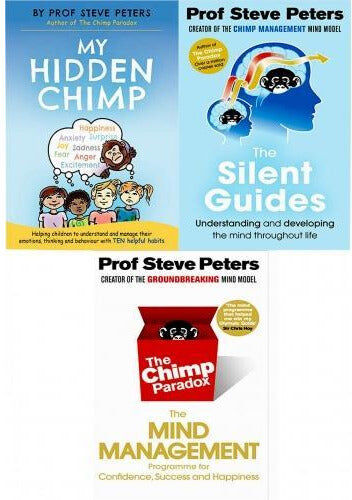
Ebury Publishing Professor Steve Peters 3 Books Collection Set The Silent Guides, My Hidden Chimp, The Chimp ParadoxProfessor Steve Peters 3 Books Set Collection Professor steve peters The Chimp Paradox Do you sabotage your own happiness and success? Are you struggling to make sense of yourself? Do your emotions sometimes dictate your life? The Chimp Paradox is an incredibly powerful mind management model that can help you become a happy; confident; healthier and more successful person. Prof Steve Peters explains the struggle that takes place within your mind and then shows how to apply this understanding to every area of your life so you can. Recognise how your mind is working Understand and manage your emotions and thoughts- Manage yourself and become the person you would like to be. The Chimp Mind Management Model is based on scientific facts and principles; which have been simplified into a workable model for easy use. It will help you to develop yourself and give you the skills; for example; to remove anxiety; have confidence and choose your emotions. The book will do this by giving you an understanding of the way in which your mind works and how you can manage it. It will also help you to identify what is holding you back or preventing you from having a happier and more successful life. Each chapter explains different aspects of how you function and highlights key facts for you to understand. There are also exercises for you to work with. By undertaking these exercises you will see immediate improvements in your daily living and; over time; you will develop emotional skills and practical habits that will help you to become the person that you want to be; and live the life that you want to live. The Silent Guides Understanding and developing the mind throughout life - the NEW book from the creator of the chimp management mind model and author of the million copy selling The Chimp Paradox. The Silent Guides explores some neuroscience and psychological aspects of the developing mind; unconscious thinking; behaviours; habit formation and related topics in an easy to understand way. It then offers practical ideas and thoughts for the reader to reflect on using 10 helpful habits as examples. This book has two themes:- To help adults to consider and understand where some of their unhealthy or destructive learnt behaviours and beliefs might have come from; and then offer ways to replace them with healthy and constructive behaviours and beliefs. - To offer ideas and support to parents; teachers or carers that could help children to form healthy and constructive habits and prevent unhealthy or destructive habits from developing. Examples of unhelpful thinking; behaviours and habits that can be changed include: Being overly self-critical Fear of failure and unforgiving perfectionism Worrying excessively or overreacting to situations Procrastinating Living with low self-esteemExamples of helpful thinking; behaviours and habits include:Smiling Getting over mistakes Developing a positive outlook Being able to talk through your feelings Seeking appropriate help Being...21,99 £*Shipping: 2,99 £Secure redirect to the provider
-
Macmillan Business/Sceptre ltd How Big Things Get Done By Professor Bent Flyvbjerg, Dan Gardner and Factfulness Ten Reasons We'Re Wrong About The World By Hans Rosling, Ola Rosling,How Big Things Get Done By Professor Bent Flyvbjerg, Dan Gardner and Factfulness Ten Reasons We'Re Wrong About The World By Hans Rosling, Ola Rosling, Anna Rosling Rönnlund 2 Books Collection Set Factfulness Ten Reasons We'Re Wrong About The World: In Factfulness, Professor of International Health and a man who can make data sing, Hans Rosling, together with his two long-time collaborators Anna and Ola, offers a radical new explanation of why this happens, and reveals the ten instincts that distort our perspective. It turns out that the world, for all its imperfections, is in a much better state than we might think. But when we worry about everything all the time instead of embracing a worldview based on facts, we can lose our ability to focus on the things that threaten us most. How Big Things Get Done: In How Big Things Get Done, he identifies the errors that lead projects to fail, and the research-based principles that will make yours succeed:Understand your odds. If you don’t know them, you won’t win.Plan slow, act fast. Getting to the action quick feels right. But it’s wrong.Think right to left. Start with your goal, then identify the steps to get there.Find your Lego. Big is best built from small.Master the unknown unknowns. Most think they can’t, so they fail. Flyvbjerg shows how you can.Full of vivid examples ranging from the building of the Sydney Opera House to the making of the latest Pixar blockbusters, How Big Things Get Done reveals how to get any ambitious project done – on time and on budget.13,99 £*Shipping: 2,99 £Secure redirect to the provider
-
Uplift Picks Sanrio Melody Double Layer Straw Water Bottle 450ml melodyStay refreshed in the cutest way possible. This Sanrio Melody water bottle combines playful cartoon charm with everyday practicality. Designed as a 450ml cartoon straw cup, it features a secure lid and built in straw for easy sipping on the go. The...102,48 $*Shipping: 0,00 $Secure redirect to the provider
-
SAFAVIEH Handmade Genre Leiba Wool RugExperience the artistry of SAFAVIEH's eclectic Genre Collection, inspired by the geometric patterns of Modern design. Showcasing a diverse range of styles, this unique collection adds creative flair and multidimensional appeal to your living space.193,99 $*Shipping: 0,00 $Secure redirect to the provider
-
What happened to Professor Flitwick?
Professor Flitwick, the Charms professor at Hogwarts School of Witchcraft and Wizardry, continued to teach at the school throughout the Harry Potter series. He was a skilled wizard and a beloved teacher among the students. Professor Flitwick played a key role in helping Harry Potter and his friends during their adventures, particularly in teaching them various charms and spells to aid them in their quests. **
-
What distinguishes a good professor?
A good professor is distinguished by their expertise in their field, their ability to effectively communicate complex ideas to students, and their dedication to helping students learn and succeed. They should be approachable, supportive, and willing to go the extra mile to ensure that their students understand the material. A good professor also fosters a positive and inclusive learning environment, encouraging critical thinking and active participation from their students. **
-
The professor asks a question.
The professor asks a question to engage the students and encourage critical thinking. This allows the students to participate in the discussion and demonstrate their understanding of the material. It also helps the professor gauge the students' comprehension and adjust the lesson accordingly. Overall, the professor asking a question is a valuable teaching tool that promotes active learning in the classroom. **
-
Should I thank the professor?
Yes, it is always a good idea to thank your professor for their time and effort in teaching and guiding you. Expressing gratitude can help build a positive relationship with your professor and show that you appreciate their support. A simple thank you can go a long way in fostering a respectful and appreciative academic environment. **
* All prices are inclusive of VAT and, if applicable, plus shipping costs. The offer information is based on the details provided by the respective shop and is updated through automated processes. Real-time updates do not occur, so deviations can occur in individual cases. ** Note: Parts of this content were created by AI.