Buy musicin.eu ?
We are moving the project
musicin.eu .
Are you interested in purchasing the domain
musicin.eu ?
domain@kv-gmbh.de · 0541-91531010
Buy musicin.eu ?
What is tonal cadence harmony?
Tonal cadence harmony refers to the progression of chords that create a sense of resolution or finality in music. It typically involves the movement from a dominant chord to a tonic chord, creating a feeling of closure or completion. Tonal cadences are an important aspect of Western music theory and are used to establish key centers and provide a sense of direction in a musical composition. Different types of cadences, such as authentic, plagal, and deceptive cadences, can evoke different emotional responses and contribute to the overall structure and mood of a piece of music. **
What are tonal structures in music?
Tonal structures in music refer to the organization of pitches and harmonies around a central note, known as the tonic. This creates a sense of stability and resolution within a piece of music. Tonal structures often involve the use of scales, chords, and keys to establish a specific tonal center and guide the listener through the musical journey. These structures are fundamental in shaping the overall mood and emotional impact of a composition. **

Similar search terms for Seabrook-Designs-Iynes-Tonal
Top-Angebote
Products related to Seabrook-Designs-Iynes-Tonal:
-
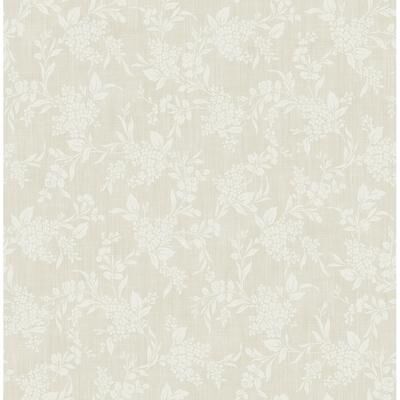
Seabrook Designs Tonal Floral Trail Nonwoven Unpasted WallpaperAdorned with charming botanicals, this Tonal Floral Trail wallpaper pattern from the Arts & Crafts collection by Etten Studios will add a delicate and vintage touch to any space.151,20 $*Shipping: 0,00 $Secure redirect to the provider




-
Does it belong more to rhythm, melody, and harmony?
The concept of harmony is most closely related to the interaction of different notes and chords in music. Harmony refers to the simultaneous sounding of different pitches to create a pleasing sound. While rhythm and melody are also important elements in music, harmony specifically deals with the vertical aspect of music, focusing on how notes and chords interact with each other. Therefore, harmony belongs more to the realm of harmony itself. **
-
What is the difference between rhythm, melody, and harmony?
Rhythm refers to the pattern of sounds and silences in music, creating a sense of movement and pulse. Melody is the sequence of musical notes that are perceived as a single entity, often the most recognizable and memorable part of a song. Harmony involves the combination of different musical notes played or sung simultaneously, creating a pleasing sound. While rhythm provides the framework for the timing of music, melody is the main tune, and harmony adds depth and richness to the overall sound. **
-
Why is Croatian considered a tonal language?
Croatian is considered a tonal language because it uses pitch to distinguish between different meanings of words. In Croatian, the pitch or tone of a word can change the meaning of the word, similar to tonal languages like Mandarin Chinese or Thai. This means that the same sequence of consonants and vowels can have different meanings depending on the pitch used when pronouncing the word. The use of pitch to convey meaning is a key characteristic of tonal languages, and it is one of the reasons why Croatian is classified as such. **
-
Who designs labels?
Labels are typically designed by graphic designers or packaging designers. These professionals are skilled in creating visually appealing and informative designs that effectively communicate the brand and product information. They consider factors such as branding, legal requirements, and consumer appeal when designing labels for products. Additionally, some companies may have in-house design teams or outsource the label design to specialized design agencies. **


What is an improvising melody instrument and an accompanying rhythm group?
An improvising melody instrument is a musical instrument that is capable of playing improvised melodies, such as the saxophone, trumpet, or guitar. These instruments are able to create spontaneous and unique melodies during a musical performance. An accompanying rhythm group consists of instruments that provide the rhythmic foundation for the music, such as drums, bass, and keyboard. Together, the improvising melody instrument and the accompanying rhythm group work together to create a dynamic and cohesive musical experience, with the melody instrument taking the lead and the rhythm group providing the underlying groove and support. **
What are motor designs?
Motor designs refer to the various configurations and arrangements of components within an electric motor. This includes the layout of the stator, rotor, windings, and other key elements that determine the motor's performance characteristics. Different motor designs are optimized for specific applications, such as high torque, high speed, or energy efficiency. Engineers carefully select motor designs based on the requirements of the intended application to achieve the desired performance and efficiency. **
Top-Angebote
Products related to Seabrook-Designs-Iynes-Tonal:
-
Seabrook Designs Tonal Floral Trail Nonwoven Unpasted WallpaperAdorned with charming botanicals, this Tonal Floral Trail wallpaper pattern from the Arts & Crafts collection by Etten Studios will add a delicate and vintage touch to any space.151,20 $*Shipping: 0,00 $Secure redirect to the provider
-
What is tonal cadence harmony?
Tonal cadence harmony refers to the progression of chords that create a sense of resolution or finality in music. It typically involves the movement from a dominant chord to a tonic chord, creating a feeling of closure or completion. Tonal cadences are an important aspect of Western music theory and are used to establish key centers and provide a sense of direction in a musical composition. Different types of cadences, such as authentic, plagal, and deceptive cadences, can evoke different emotional responses and contribute to the overall structure and mood of a piece of music. **
-
What are tonal structures in music?
Tonal structures in music refer to the organization of pitches and harmonies around a central note, known as the tonic. This creates a sense of stability and resolution within a piece of music. Tonal structures often involve the use of scales, chords, and keys to establish a specific tonal center and guide the listener through the musical journey. These structures are fundamental in shaping the overall mood and emotional impact of a composition. **
-
Does it belong more to rhythm, melody, and harmony?
The concept of harmony is most closely related to the interaction of different notes and chords in music. Harmony refers to the simultaneous sounding of different pitches to create a pleasing sound. While rhythm and melody are also important elements in music, harmony specifically deals with the vertical aspect of music, focusing on how notes and chords interact with each other. Therefore, harmony belongs more to the realm of harmony itself. **
-
What is the difference between rhythm, melody, and harmony?
Rhythm refers to the pattern of sounds and silences in music, creating a sense of movement and pulse. Melody is the sequence of musical notes that are perceived as a single entity, often the most recognizable and memorable part of a song. Harmony involves the combination of different musical notes played or sung simultaneously, creating a pleasing sound. While rhythm provides the framework for the timing of music, melody is the main tune, and harmony adds depth and richness to the overall sound. **
Similar search terms for Seabrook-Designs-Iynes-Tonal
-
Why is Croatian considered a tonal language?
Croatian is considered a tonal language because it uses pitch to distinguish between different meanings of words. In Croatian, the pitch or tone of a word can change the meaning of the word, similar to tonal languages like Mandarin Chinese or Thai. This means that the same sequence of consonants and vowels can have different meanings depending on the pitch used when pronouncing the word. The use of pitch to convey meaning is a key characteristic of tonal languages, and it is one of the reasons why Croatian is classified as such. **
-
Who designs labels?
Labels are typically designed by graphic designers or packaging designers. These professionals are skilled in creating visually appealing and informative designs that effectively communicate the brand and product information. They consider factors such as branding, legal requirements, and consumer appeal when designing labels for products. Additionally, some companies may have in-house design teams or outsource the label design to specialized design agencies. **
-
What is an improvising melody instrument and an accompanying rhythm group?
An improvising melody instrument is a musical instrument that is capable of playing improvised melodies, such as the saxophone, trumpet, or guitar. These instruments are able to create spontaneous and unique melodies during a musical performance. An accompanying rhythm group consists of instruments that provide the rhythmic foundation for the music, such as drums, bass, and keyboard. Together, the improvising melody instrument and the accompanying rhythm group work together to create a dynamic and cohesive musical experience, with the melody instrument taking the lead and the rhythm group providing the underlying groove and support. **
-
What are motor designs?
Motor designs refer to the various configurations and arrangements of components within an electric motor. This includes the layout of the stator, rotor, windings, and other key elements that determine the motor's performance characteristics. Different motor designs are optimized for specific applications, such as high torque, high speed, or energy efficiency. Engineers carefully select motor designs based on the requirements of the intended application to achieve the desired performance and efficiency. **
* All prices are inclusive of VAT and, if applicable, plus shipping costs. The offer information is based on the details provided by the respective shop and is updated through automated processes. Real-time updates do not occur, so deviations can occur in individual cases. ** Note: Parts of this content were created by AI.