Buy musicin.eu ?
We are moving the project
musicin.eu .
Are you interested in purchasing the domain
musicin.eu ?
domain@kv-gmbh.de · 0541-91531010
Buy musicin.eu ?
Does it belong more to rhythm, melody, and harmony?
The concept of harmony is most closely related to the interaction of different notes and chords in music. Harmony refers to the simultaneous sounding of different pitches to create a pleasing sound. While rhythm and melody are also important elements in music, harmony specifically deals with the vertical aspect of music, focusing on how notes and chords interact with each other. Therefore, harmony belongs more to the realm of harmony itself. **
What is the difference between rhythm, melody, and harmony?
Rhythm refers to the pattern of sounds and silences in music, creating a sense of movement and pulse. Melody is the sequence of musical notes that are perceived as a single entity, often the most recognizable and memorable part of a song. Harmony involves the combination of different musical notes played or sung simultaneously, creating a pleasing sound. While rhythm provides the framework for the timing of music, melody is the main tune, and harmony adds depth and richness to the overall sound. **


Similar search terms for Genitive
Top-Angebote
Products related to Genitive:
-
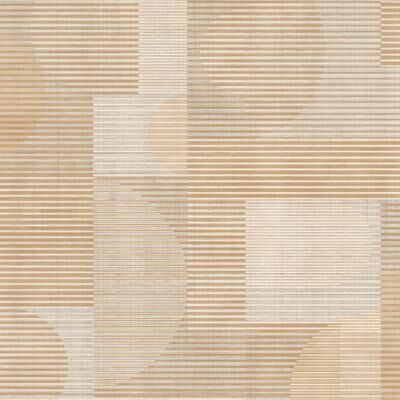
Veer Decor Geo Rhythm WallpaperEnter a world of modern shape and texture where clean lines and geometric forms create a sense of movement and harmony. The subtle embossed texture enhances the tactile experience, giving the design a rich, dimensional feel.149,99 $*Shipping: 0,00 $Secure redirect to the provider
-
SAFAVIEH Handmade Genre Leiba Wool RugExperience the artistry of SAFAVIEH's eclectic Genre Collection, inspired by the geometric patterns of Modern design. Showcasing a diverse range of styles, this unique collection adds creative flair and multidimensional appeal to your living space.107,41 $*Shipping: 0,00 $Secure redirect to the provider
-
Veer Decor Geo Rhythm WallpaperEnter a world of modern shape and texture where clean lines and geometric forms create a sense of movement and harmony. The subtle embossed texture enhances the tactile experience, giving the design a rich, dimensional feel.149,99 $*Shipping: 0,00 $Secure redirect to the provider
-
Veer Decor Geo Rhythm WallpaperEnter a world of modern shape and texture where clean lines and geometric forms create a sense of movement and harmony. The subtle embossed texture enhances the tactile experience, giving the design a rich, dimensional feel.149,99 $*Shipping: 0,00 $Secure redirect to the provider



-
Is it a genitive object or an adverbial genitive?
The distinction between a genitive object and an adverbial genitive depends on the function of the genitive in the sentence. A genitive object typically functions as the direct object of a verb, indicating possession or association, while an adverbial genitive modifies the action of the verb, indicating manner, time, place, or other circumstances. To determine whether a genitive is a genitive object or an adverbial genitive, it is important to analyze the role it plays in the sentence and its relationship to the verb and other elements. **
-
Nominative or genitive?
Nominative and genitive are both grammatical cases in many languages, including Latin and German. The nominative case is used for the subject of a sentence, while the genitive case is used to show possession or relationship between nouns. In English, the genitive case is often indicated by adding an apostrophe and an "s" to a noun. **
-
Genitive or accusative?
The genitive case is used to show possession or relationship between nouns, while the accusative case is used to show the direct object of a verb or the object of certain prepositions. In general, the genitive case is used to indicate possession or belonging, while the accusative case is used to indicate the direct object of a verb or the object of a preposition. The choice between genitive and accusative depends on the specific context and the grammatical rules of the language being used. **
-
'Genitive or accusative?'
The genitive case is used to show possession or relationship between nouns, while the accusative case is used to show the direct object of a verb. In general, the genitive case is used to indicate ownership or association, while the accusative case is used to indicate the direct object of a verb or the object of a preposition. The choice between genitive and accusative depends on the specific context and the grammatical rules of the language being used. **


What is the difference between genitive attribute and genitive object?
The genitive attribute is a noun or pronoun that describes another noun by showing possession or association, typically indicated by the use of an apostrophe and the letter "s" ('s) or simply an apostrophe ('). For example, in the phrase "the car's color," "car's" is the genitive attribute describing the color. On the other hand, the genitive object is a noun or pronoun that receives the action of a verb and is also in the genitive case, indicating possession or association. For example, in the phrase "I saw the dog's tail," "dog's" is the genitive object showing possession of the tail. In summary, the genitive attribute describes the noun it is attached to, while the genitive object receives the action of the verb and shows possession or association. **
Dative or Genitive 2?
The choice between dative and genitive case in German depends on the verb or preposition being used. "Dative" is used to indicate the indirect object of a sentence, while "genitive" is used to show possession or a relationship between two nouns. "Genitive 2" specifically refers to the genitive case used after certain prepositions, such as trotz (despite) or während (during). It's important to learn the specific prepositions and verbs that require either dative or genitive case in order to use them correctly in German sentences. **
Top-Angebote
Products related to Genitive:
-
Uplift Picks Sanrio Melody Double Layer Straw Water Bottle 450ml melodyStay refreshed in the cutest way possible. This Sanrio Melody water bottle combines playful cartoon charm with everyday practicality. Designed as a 450ml cartoon straw cup, it features a secure lid and built in straw for easy sipping on the go. The...102,48 $*Shipping: 0,00 $Secure redirect to the provider
-
Veer Decor Geo Rhythm WallpaperEnter a world of modern shape and texture where clean lines and geometric forms create a sense of movement and harmony. The subtle embossed texture enhances the tactile experience, giving the design a rich, dimensional feel.149,99 $*Shipping: 0,00 $Secure redirect to the provider
-
SAFAVIEH Handmade Genre Leiba Wool RugExperience the artistry of SAFAVIEH's eclectic Genre Collection, inspired by the geometric patterns of Modern design. Showcasing a diverse range of styles, this unique collection adds creative flair and multidimensional appeal to your living space.107,41 $*Shipping: 0,00 $Secure redirect to the provider
-
Does it belong more to rhythm, melody, and harmony?
The concept of harmony is most closely related to the interaction of different notes and chords in music. Harmony refers to the simultaneous sounding of different pitches to create a pleasing sound. While rhythm and melody are also important elements in music, harmony specifically deals with the vertical aspect of music, focusing on how notes and chords interact with each other. Therefore, harmony belongs more to the realm of harmony itself. **
-
What is the difference between rhythm, melody, and harmony?
Rhythm refers to the pattern of sounds and silences in music, creating a sense of movement and pulse. Melody is the sequence of musical notes that are perceived as a single entity, often the most recognizable and memorable part of a song. Harmony involves the combination of different musical notes played or sung simultaneously, creating a pleasing sound. While rhythm provides the framework for the timing of music, melody is the main tune, and harmony adds depth and richness to the overall sound. **
-
Is it a genitive object or an adverbial genitive?
The distinction between a genitive object and an adverbial genitive depends on the function of the genitive in the sentence. A genitive object typically functions as the direct object of a verb, indicating possession or association, while an adverbial genitive modifies the action of the verb, indicating manner, time, place, or other circumstances. To determine whether a genitive is a genitive object or an adverbial genitive, it is important to analyze the role it plays in the sentence and its relationship to the verb and other elements. **
-
Nominative or genitive?
Nominative and genitive are both grammatical cases in many languages, including Latin and German. The nominative case is used for the subject of a sentence, while the genitive case is used to show possession or relationship between nouns. In English, the genitive case is often indicated by adding an apostrophe and an "s" to a noun. **
Similar search terms for Genitive
-
Veer Decor Geo Rhythm WallpaperEnter a world of modern shape and texture where clean lines and geometric forms create a sense of movement and harmony. The subtle embossed texture enhances the tactile experience, giving the design a rich, dimensional feel.149,99 $*Shipping: 0,00 $Secure redirect to the provider
-
Veer Decor Geo Rhythm WallpaperEnter a world of modern shape and texture where clean lines and geometric forms create a sense of movement and harmony. The subtle embossed texture enhances the tactile experience, giving the design a rich, dimensional feel.149,99 $*Shipping: 0,00 $Secure redirect to the provider
-
SAFAVIEH Handmade Genre Agatia Wool RugExperience the artistry of SAFAVIEH's eclectic Genre Collection, inspired by the geometric patterns of Modern design. Showcasing a diverse range of styles, this unique collection adds creative flair and multidimensional appeal to your living space.218,39 $*Shipping: 0,00 $Secure redirect to the provider
-
SAFAVIEH Handmade Genre Eilon Wool RugExperience the artistry of SAFAVIEH's eclectic Genre Collection, inspired by the geometric patterns of Modern design. Showcasing a diverse range of styles, this unique collection adds creative flair and multidimensional appeal to your living space.172,71 $*Shipping: 0,00 $Secure redirect to the provider
-
Genitive or accusative?
The genitive case is used to show possession or relationship between nouns, while the accusative case is used to show the direct object of a verb or the object of certain prepositions. In general, the genitive case is used to indicate possession or belonging, while the accusative case is used to indicate the direct object of a verb or the object of a preposition. The choice between genitive and accusative depends on the specific context and the grammatical rules of the language being used. **
-
'Genitive or accusative?'
The genitive case is used to show possession or relationship between nouns, while the accusative case is used to show the direct object of a verb. In general, the genitive case is used to indicate ownership or association, while the accusative case is used to indicate the direct object of a verb or the object of a preposition. The choice between genitive and accusative depends on the specific context and the grammatical rules of the language being used. **
-
What is the difference between genitive attribute and genitive object?
The genitive attribute is a noun or pronoun that describes another noun by showing possession or association, typically indicated by the use of an apostrophe and the letter "s" ('s) or simply an apostrophe ('). For example, in the phrase "the car's color," "car's" is the genitive attribute describing the color. On the other hand, the genitive object is a noun or pronoun that receives the action of a verb and is also in the genitive case, indicating possession or association. For example, in the phrase "I saw the dog's tail," "dog's" is the genitive object showing possession of the tail. In summary, the genitive attribute describes the noun it is attached to, while the genitive object receives the action of the verb and shows possession or association. **
-
Dative or Genitive 2?
The choice between dative and genitive case in German depends on the verb or preposition being used. "Dative" is used to indicate the indirect object of a sentence, while "genitive" is used to show possession or a relationship between two nouns. "Genitive 2" specifically refers to the genitive case used after certain prepositions, such as trotz (despite) or während (during). It's important to learn the specific prepositions and verbs that require either dative or genitive case in order to use them correctly in German sentences. **
* All prices are inclusive of VAT and, if applicable, plus shipping costs. The offer information is based on the details provided by the respective shop and is updated through automated processes. Real-time updates do not occur, so deviations can occur in individual cases. ** Note: Parts of this content were created by AI.