Buy musicin.eu ?
We are moving the project
musicin.eu .
Are you interested in purchasing the domain
musicin.eu ?
domain@kv-gmbh.de · 0541-91531010
Buy musicin.eu ?
Who was Friedrich Hegel?
Friedrich Hegel was a German philosopher who is considered one of the most important figures in the history of Western philosophy. He is known for his development of the concept of dialectical reasoning, which involves the idea that history and human thought progress through a series of contradictions and their resolutions. Hegel's work has had a significant influence on various fields, including philosophy, political theory, and theology. He is best known for his major works such as "Phenomenology of Spirit" and "Science of Logic." **
Does it belong more to rhythm, melody, and harmony?
The concept of harmony is most closely related to the interaction of different notes and chords in music. Harmony refers to the simultaneous sounding of different pitches to create a pleasing sound. While rhythm and melody are also important elements in music, harmony specifically deals with the vertical aspect of music, focusing on how notes and chords interact with each other. Therefore, harmony belongs more to the realm of harmony itself. **

Similar search terms for Hegel
Top-Angebote
Products related to Hegel:
-
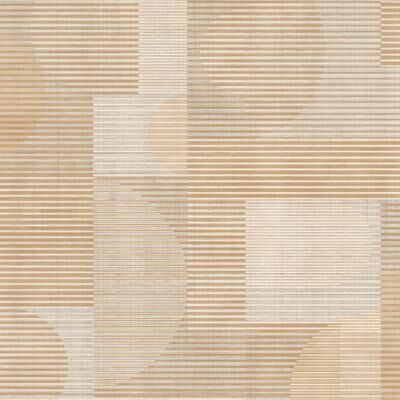
Veer Decor Geo Rhythm WallpaperEnter a world of modern shape and texture where clean lines and geometric forms create a sense of movement and harmony. The subtle embossed texture enhances the tactile experience, giving the design a rich, dimensional feel.149,99 $*Shipping: 0,00 $Secure redirect to the provider
-
SAFAVIEH Handmade Genre Urska RugExperience the artistry of SAFAVIEH's eclectic Genre Collection, inspired by the geometric patterns of Modern design. Showcasing a diverse range of styles, this unique collection adds creative flair and multidimensional appeal to your living space.181,59 $*Shipping: 0,00 $Secure redirect to the provider
-
Uplift Essentials 311nm Narrowband UVB Phototherapy Instrument 311nm Narrowband UVB Phototherapy InstrumentManage chronic, persistent skin spot conditions and restore localized skin balance from the privacy and comfort of your own home. The 311nm Narrowband UVB Phototherapy Instrument provides a targeted, clinicalgrade light solution engineered...148,47 $*Shipping: 0,00 $Secure redirect to the provider




-
What is the difference between rhythm, melody, and harmony?
Rhythm refers to the pattern of sounds and silences in music, creating a sense of movement and pulse. Melody is the sequence of musical notes that are perceived as a single entity, often the most recognizable and memorable part of a song. Harmony involves the combination of different musical notes played or sung simultaneously, creating a pleasing sound. While rhythm provides the framework for the timing of music, melody is the main tune, and harmony adds depth and richness to the overall sound. **
-
How do Hegel and Kant understand?
Hegel and Kant both understand the concept of knowledge and reality through their respective philosophical frameworks. Kant's philosophy is based on the idea that knowledge is shaped by our perception and understanding of the world, which is limited by our cognitive faculties. Hegel, on the other hand, sees knowledge as a dynamic process that evolves through dialectical reasoning and the reconciliation of contradictions. For Hegel, reality is not fixed but is constantly changing and developing through the interplay of opposing forces. Overall, while Kant emphasizes the limitations of human knowledge, Hegel focuses on the continuous development and evolution of knowledge and reality. **
-
What is known about Friedrich Hegel?
Friedrich Hegel was a German philosopher who is considered one of the most influential figures in the history of Western philosophy. He is known for his development of the concept of dialectical thinking, which emphasizes the interconnectedness and development of ideas over time. Hegel's work has had a significant impact on various fields, including philosophy, politics, and theology. He is best known for his major works, such as "Phenomenology of Spirit" and "Science of Logic." **
-
What did Hegel mean by that?
Hegel's philosophy is complex and can be interpreted in various ways, but one key aspect of his thought is his concept of the dialectic. Hegel believed that history and human thought progress through a process of thesis, antithesis, and synthesis, where a new idea (thesis) is challenged by its opposite (antithesis), leading to a higher level of understanding (synthesis). This dialectical process is central to Hegel's understanding of how human knowledge and society evolve over time. Hegel also emphasized the importance of reason and the interconnectedness of all aspects of reality, leading to his concept of the Absolute Spirit as the ultimate reality. **

How did Hegel define the concept?
Hegel defined the concept as the unity of opposites, where the contradiction between opposing elements is resolved through a process of dialectical development. He believed that concepts are not static, but are constantly evolving and developing through a process of thesis, antithesis, and synthesis. Hegel also emphasized the interconnectedness of concepts, where each concept is related to and dependent on others within a larger system of thought. Overall, Hegel's definition of the concept reflects his belief in the dynamic and interconnected nature of reality. **
How did Hegel think about Schopenhauer?
Hegel and Schopenhauer had a contentious relationship, with Hegel dismissing Schopenhauer's philosophy as a mere negation of his own. Hegel saw Schopenhauer as a critic of his own work, particularly his emphasis on the will as the driving force of the world. Hegel believed that Schopenhauer's pessimistic view of the world as ultimately meaningless and driven by blind will was a limited and one-sided perspective. Despite their differences, Schopenhauer's critique of Hegel's idealism and his emphasis on the individual's will as the primary force in the world did influence later existentialist and psychological thinkers. **
Top-Angebote
Products related to Hegel:
-
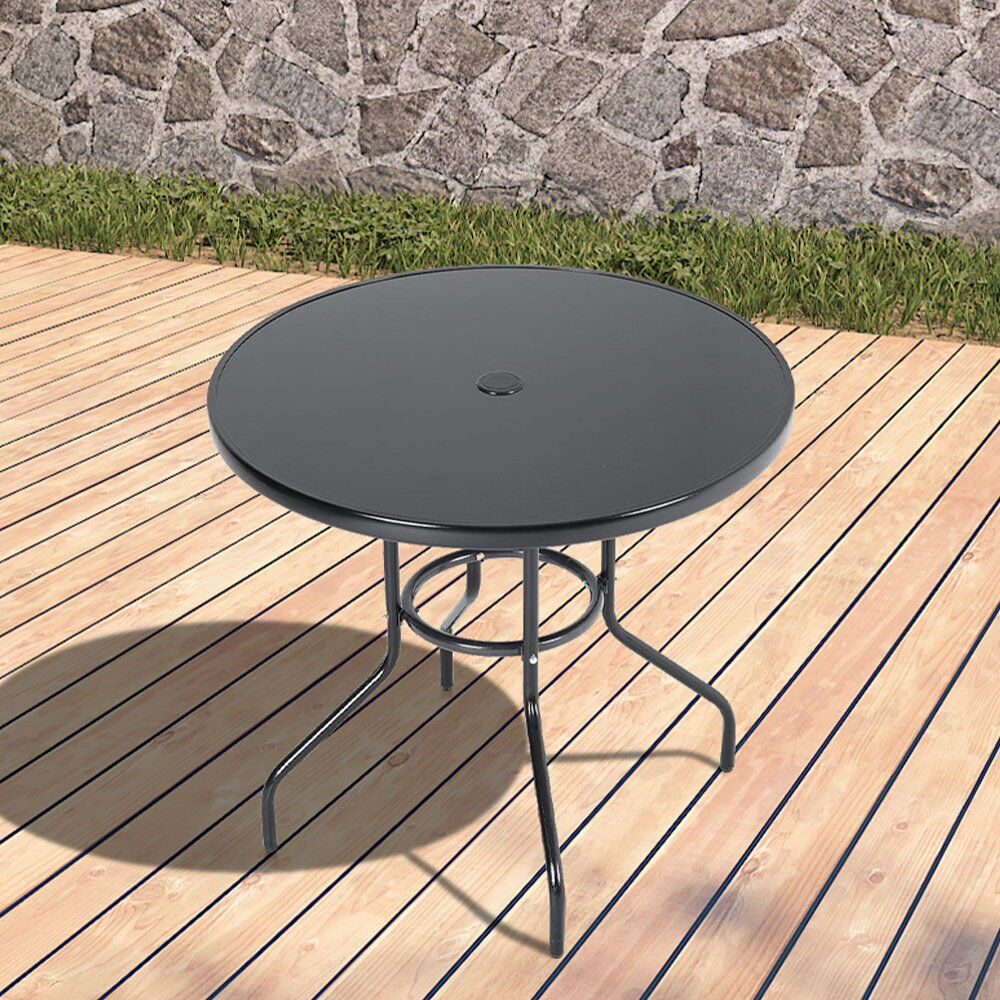
Dakota Fields Hegel Round Glass Outdoor with Umbrella Hole Bistro Table - 80 cm W 80 cm D BlackThe beautiful balcony table complements your outdoor area in style. Support legs and table frames are made of powder-coated metal. This ensures adequate stability and makes your table ideal for outdoor use. The robust tabletop is made of 5 mm thick safety glass. In addition, you have set up your balcony table in no time. Thus, it is used in many ways as a complement to an existing seating set or as a decorative element in the garden or on the terrace. Dakota Fields53,99 £*Shipping: 4,99 £Secure redirect to the provider
-
Uplift Picks Sanrio Melody Double Layer Straw Water Bottle 450ml melodyStay refreshed in the cutest way possible. This Sanrio Melody water bottle combines playful cartoon charm with everyday practicality. Designed as a 450ml cartoon straw cup, it features a secure lid and built in straw for easy sipping on the go. The...102,48 $*Shipping: 0,00 $Secure redirect to the provider
-
Veer Decor Geo Rhythm WallpaperEnter a world of modern shape and texture where clean lines and geometric forms create a sense of movement and harmony. The subtle embossed texture enhances the tactile experience, giving the design a rich, dimensional feel.149,99 $*Shipping: 0,00 $Secure redirect to the provider
-
Who was Friedrich Hegel?
Friedrich Hegel was a German philosopher who is considered one of the most important figures in the history of Western philosophy. He is known for his development of the concept of dialectical reasoning, which involves the idea that history and human thought progress through a series of contradictions and their resolutions. Hegel's work has had a significant influence on various fields, including philosophy, political theory, and theology. He is best known for his major works such as "Phenomenology of Spirit" and "Science of Logic." **
-
Does it belong more to rhythm, melody, and harmony?
The concept of harmony is most closely related to the interaction of different notes and chords in music. Harmony refers to the simultaneous sounding of different pitches to create a pleasing sound. While rhythm and melody are also important elements in music, harmony specifically deals with the vertical aspect of music, focusing on how notes and chords interact with each other. Therefore, harmony belongs more to the realm of harmony itself. **
-
What is the difference between rhythm, melody, and harmony?
Rhythm refers to the pattern of sounds and silences in music, creating a sense of movement and pulse. Melody is the sequence of musical notes that are perceived as a single entity, often the most recognizable and memorable part of a song. Harmony involves the combination of different musical notes played or sung simultaneously, creating a pleasing sound. While rhythm provides the framework for the timing of music, melody is the main tune, and harmony adds depth and richness to the overall sound. **
-
How do Hegel and Kant understand?
Hegel and Kant both understand the concept of knowledge and reality through their respective philosophical frameworks. Kant's philosophy is based on the idea that knowledge is shaped by our perception and understanding of the world, which is limited by our cognitive faculties. Hegel, on the other hand, sees knowledge as a dynamic process that evolves through dialectical reasoning and the reconciliation of contradictions. For Hegel, reality is not fixed but is constantly changing and developing through the interplay of opposing forces. Overall, while Kant emphasizes the limitations of human knowledge, Hegel focuses on the continuous development and evolution of knowledge and reality. **
Similar search terms for Hegel
-
SAFAVIEH Handmade Genre Urska RugExperience the artistry of SAFAVIEH's eclectic Genre Collection, inspired by the geometric patterns of Modern design. Showcasing a diverse range of styles, this unique collection adds creative flair and multidimensional appeal to your living space.181,59 $*Shipping: 0,00 $Secure redirect to the provider
-
Uplift Essentials 311nm Narrowband UVB Phototherapy Instrument 311nm Narrowband UVB Phototherapy InstrumentManage chronic, persistent skin spot conditions and restore localized skin balance from the privacy and comfort of your own home. The 311nm Narrowband UVB Phototherapy Instrument provides a targeted, clinicalgrade light solution engineered...148,47 $*Shipping: 0,00 $Secure redirect to the provider
-
SAFAVIEH Melody Gyulnara Modern RugBrimming with minimalist Modern charm, the Melody Collection of area rugs explores plush, textured patterns in trendy, versatile hues. Made from easy-care polyester fibers, these rugs are virtually non-shedding for convenient upkeep.132,83 $*Shipping: 0,00 $Secure redirect to the provider
-
Veer Decor Geo Rhythm WallpaperEnter a world of modern shape and texture where clean lines and geometric forms create a sense of movement and harmony. The subtle embossed texture enhances the tactile experience, giving the design a rich, dimensional feel.149,99 $*Shipping: 0,00 $Secure redirect to the provider
-
What is known about Friedrich Hegel?
Friedrich Hegel was a German philosopher who is considered one of the most influential figures in the history of Western philosophy. He is known for his development of the concept of dialectical thinking, which emphasizes the interconnectedness and development of ideas over time. Hegel's work has had a significant impact on various fields, including philosophy, politics, and theology. He is best known for his major works, such as "Phenomenology of Spirit" and "Science of Logic." **
-
What did Hegel mean by that?
Hegel's philosophy is complex and can be interpreted in various ways, but one key aspect of his thought is his concept of the dialectic. Hegel believed that history and human thought progress through a process of thesis, antithesis, and synthesis, where a new idea (thesis) is challenged by its opposite (antithesis), leading to a higher level of understanding (synthesis). This dialectical process is central to Hegel's understanding of how human knowledge and society evolve over time. Hegel also emphasized the importance of reason and the interconnectedness of all aspects of reality, leading to his concept of the Absolute Spirit as the ultimate reality. **
-
How did Hegel define the concept?
Hegel defined the concept as the unity of opposites, where the contradiction between opposing elements is resolved through a process of dialectical development. He believed that concepts are not static, but are constantly evolving and developing through a process of thesis, antithesis, and synthesis. Hegel also emphasized the interconnectedness of concepts, where each concept is related to and dependent on others within a larger system of thought. Overall, Hegel's definition of the concept reflects his belief in the dynamic and interconnected nature of reality. **
-
How did Hegel think about Schopenhauer?
Hegel and Schopenhauer had a contentious relationship, with Hegel dismissing Schopenhauer's philosophy as a mere negation of his own. Hegel saw Schopenhauer as a critic of his own work, particularly his emphasis on the will as the driving force of the world. Hegel believed that Schopenhauer's pessimistic view of the world as ultimately meaningless and driven by blind will was a limited and one-sided perspective. Despite their differences, Schopenhauer's critique of Hegel's idealism and his emphasis on the individual's will as the primary force in the world did influence later existentialist and psychological thinkers. **
* All prices are inclusive of VAT and, if applicable, plus shipping costs. The offer information is based on the details provided by the respective shop and is updated through automated processes. Real-time updates do not occur, so deviations can occur in individual cases. ** Note: Parts of this content were created by AI.