Buy musicin.eu ?
We are moving the project
musicin.eu .
Are you interested in purchasing the domain
musicin.eu ?
domain@kv-gmbh.de · 0541-91531010
Buy musicin.eu ?
Can you lose weight just by lifting weights?
While lifting weights can help you build muscle mass and increase your metabolism, it may not directly lead to weight loss on its own. Weight loss is primarily achieved through a combination of a balanced diet, regular exercise, and creating a calorie deficit. However, incorporating weightlifting into your fitness routine can help you burn calories, improve your body composition, and support your weight loss goals in conjunction with other healthy habits. **
What is the difference between lifting force and weight?
Lifting force is the force exerted by a lifting mechanism, such as a crane or a helicopter, to counteract the weight of an object and lift it off the ground. It is the force required to overcome gravity and lift an object upwards. Weight, on the other hand, is the force exerted by gravity on an object, pulling it towards the center of the Earth. It is a measure of the mass of an object and the gravitational force acting on it. In summary, lifting force is the force applied to lift an object, while weight is the force exerted by gravity on an object. **
Similar search terms for Market-Central-Weight-Lifting
Top-Angebote
Products related to Market-Central-Weight-Lifting:
-
Market Central Weight Lifting Gloves Gym Training Support Grip Fitness Gloves For Men Weight Lifting Gloves Gym Training Support Grip Fitness Gloves For MenPush your limits with confidence and comfort every time you train. These weight lifting gloves are designed to protect your hands while improving grip strength, helping you lift heavier and train longer without discomfort. Built for serious athletes...29,97 $*Shipping: 0,00 $Secure redirect to the provider
-
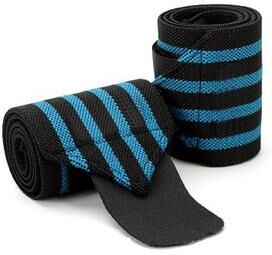
Market Central Heavy Duty Weight Lifting Wrist Wraps With Thumb Loop For Gym Support Heavy Duty Weight Lifting Wrist Wraps With Thumb Loop For Gym SupportBuilt for every rep, set, and challenge, these weight lifting wrist wraps help provide the support and stability you need during intense training sessions. Designed for men and women, these durable gym wrist support wraps feature a secure thumb loop...41,97 $*Shipping: 0,00 $Secure redirect to the provider
-
Market Central Elastic Wrist Support Strap For Weight Lifting And Sports Training redProtect your wrists and train with greater confidence during every workout session. This 1PC adjustable wrist support strap is designed for men and women who need extra stability during weight lifting, fitness training, and daily activities. Made...29,97 $*Shipping: 0,00 $Secure redirect to the provider
-
Market Central Wrist Wrap Strength Training Support Strap For Weight Lifting Gym Fitness Workouts orangeTrain with confidence and protect your wrists during every lift with a reliable support strap designed for strengthfocused athletes. This padded wrist wrap provides comfortable stabilization for weight lifting, cross training, and intense gym...34,97 $*Shipping: 0,00 $Secure redirect to the provider




-
What is the starting weight for beginners in log lifting?
The starting weight for beginners in log lifting can vary depending on the individual's strength and experience level. However, a common starting weight for beginners is around 60-80 pounds. It is important for beginners to focus on proper technique and form before gradually increasing the weight to avoid injury and build strength effectively. Working with a coach or trainer can help beginners determine the appropriate starting weight for their fitness level. **
-
How do I calculate the lifting weight of a motor?
To calculate the lifting weight of a motor, you will need to consider the motor's power output, the efficiency of the lifting mechanism, and the force required to lift the load. First, determine the power output of the motor in horsepower or watts. Then, consider the efficiency of the lifting mechanism, which can be expressed as a percentage. Finally, calculate the force required to lift the load by dividing the weight of the load by the efficiency of the lifting mechanism. This will give you an estimate of the lifting weight that the motor can handle. **
-
Does it belong more to rhythm, melody, and harmony?
The concept of harmony is most closely related to the interaction of different notes and chords in music. Harmony refers to the simultaneous sounding of different pitches to create a pleasing sound. While rhythm and melody are also important elements in music, harmony specifically deals with the vertical aspect of music, focusing on how notes and chords interact with each other. Therefore, harmony belongs more to the realm of harmony itself. **
-
What is the difference between rhythm, melody, and harmony?
Rhythm refers to the pattern of sounds and silences in music, creating a sense of movement and pulse. Melody is the sequence of musical notes that are perceived as a single entity, often the most recognizable and memorable part of a song. Harmony involves the combination of different musical notes played or sung simultaneously, creating a pleasing sound. While rhythm provides the framework for the timing of music, melody is the main tune, and harmony adds depth and richness to the overall sound. **

What is an improvising melody instrument and an accompanying rhythm group?
An improvising melody instrument is a musical instrument that is capable of playing improvised melodies, such as the saxophone, trumpet, or guitar. These instruments are able to create spontaneous and unique melodies during a musical performance. An accompanying rhythm group consists of instruments that provide the rhythmic foundation for the music, such as drums, bass, and keyboard. Together, the improvising melody instrument and the accompanying rhythm group work together to create a dynamic and cohesive musical experience, with the melody instrument taking the lead and the rhythm group providing the underlying groove and support. **
How do you calculate the weight force and the lifting work acting on a sack?
To calculate the weight force of a sack, you would multiply the mass of the sack by the acceleration due to gravity (9.8 m/s^2). The weight force is the force exerted by the Earth's gravity on the sack, and it represents the force required to lift the sack against gravity. To calculate the lifting work acting on a sack, you would multiply the weight force by the distance over which the sack is lifted. The lifting work represents the energy required to lift the sack to a certain height against gravity. This work is equal to the force applied multiplied by the distance over which the force is applied. **
Top-Angebote
Products related to Market-Central-Weight-Lifting:
-
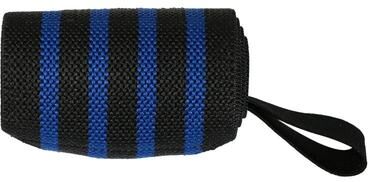
Market Central Elastic Wrist Support Strap For Weight Lifting And Sports Training blueProtect your wrists and train with greater confidence during every workout session. This 1PC adjustable wrist support strap is designed for men and women who need extra stability during weight lifting, fitness training, and daily activities. Made...29,97 $*Shipping: 0,00 $Secure redirect to the provider
-
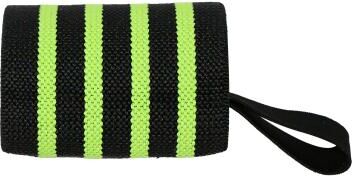
Market Central Wrist Wrap Strength Training Support Strap For Weight Lifting Gym Fitness Workouts greenTrain with confidence and protect your wrists during every lift with a reliable support strap designed for strengthfocused athletes. This padded wrist wrap provides comfortable stabilization for weight lifting, cross training, and intense gym...34,97 $*Shipping: 0,00 $Secure redirect to the provider
-
Market Central Weight Lifting Gloves Gym Training Support Grip Fitness Gloves For Men Weight Lifting Gloves Gym Training Support Grip Fitness Gloves For MenPush your limits with confidence and comfort every time you train. These weight lifting gloves are designed to protect your hands while improving grip strength, helping you lift heavier and train longer without discomfort. Built for serious athletes...29,97 $*Shipping: 0,00 $Secure redirect to the provider
-
Market Central Heavy Duty Weight Lifting Wrist Wraps With Thumb Loop For Gym Support Heavy Duty Weight Lifting Wrist Wraps With Thumb Loop For Gym SupportBuilt for every rep, set, and challenge, these weight lifting wrist wraps help provide the support and stability you need during intense training sessions. Designed for men and women, these durable gym wrist support wraps feature a secure thumb loop...41,97 $*Shipping: 0,00 $Secure redirect to the provider
-
Can you lose weight just by lifting weights?
While lifting weights can help you build muscle mass and increase your metabolism, it may not directly lead to weight loss on its own. Weight loss is primarily achieved through a combination of a balanced diet, regular exercise, and creating a calorie deficit. However, incorporating weightlifting into your fitness routine can help you burn calories, improve your body composition, and support your weight loss goals in conjunction with other healthy habits. **
-
What is the difference between lifting force and weight?
Lifting force is the force exerted by a lifting mechanism, such as a crane or a helicopter, to counteract the weight of an object and lift it off the ground. It is the force required to overcome gravity and lift an object upwards. Weight, on the other hand, is the force exerted by gravity on an object, pulling it towards the center of the Earth. It is a measure of the mass of an object and the gravitational force acting on it. In summary, lifting force is the force applied to lift an object, while weight is the force exerted by gravity on an object. **
-
What is the starting weight for beginners in log lifting?
The starting weight for beginners in log lifting can vary depending on the individual's strength and experience level. However, a common starting weight for beginners is around 60-80 pounds. It is important for beginners to focus on proper technique and form before gradually increasing the weight to avoid injury and build strength effectively. Working with a coach or trainer can help beginners determine the appropriate starting weight for their fitness level. **
-
How do I calculate the lifting weight of a motor?
To calculate the lifting weight of a motor, you will need to consider the motor's power output, the efficiency of the lifting mechanism, and the force required to lift the load. First, determine the power output of the motor in horsepower or watts. Then, consider the efficiency of the lifting mechanism, which can be expressed as a percentage. Finally, calculate the force required to lift the load by dividing the weight of the load by the efficiency of the lifting mechanism. This will give you an estimate of the lifting weight that the motor can handle. **
Similar search terms for Market-Central-Weight-Lifting
-
Market Central Elastic Wrist Support Strap For Weight Lifting And Sports Training redProtect your wrists and train with greater confidence during every workout session. This 1PC adjustable wrist support strap is designed for men and women who need extra stability during weight lifting, fitness training, and daily activities. Made...29,97 $*Shipping: 0,00 $Secure redirect to the provider
-
Market Central Wrist Wrap Strength Training Support Strap For Weight Lifting Gym Fitness Workouts orangeTrain with confidence and protect your wrists during every lift with a reliable support strap designed for strengthfocused athletes. This padded wrist wrap provides comfortable stabilization for weight lifting, cross training, and intense gym...34,97 $*Shipping: 0,00 $Secure redirect to the provider
-
Market Central Wrist Wrap Strength Training Support Strap For Weight Lifting Gym Fitness Workouts redTrain with confidence and protect your wrists during every lift with a reliable support strap designed for strengthfocused athletes. This padded wrist wrap provides comfortable stabilization for weight lifting, cross training, and intense gym...34,97 $*Shipping: 0,00 $Secure redirect to the provider
-
Market Central Wrist Wrap Strength Training Support Strap For Weight Lifting Gym Fitness Workouts blueTrain with confidence and protect your wrists during every lift with a reliable support strap designed for strengthfocused athletes. This padded wrist wrap provides comfortable stabilization for weight lifting, cross training, and intense gym...34,97 $*Shipping: 0,00 $Secure redirect to the provider
-
Does it belong more to rhythm, melody, and harmony?
The concept of harmony is most closely related to the interaction of different notes and chords in music. Harmony refers to the simultaneous sounding of different pitches to create a pleasing sound. While rhythm and melody are also important elements in music, harmony specifically deals with the vertical aspect of music, focusing on how notes and chords interact with each other. Therefore, harmony belongs more to the realm of harmony itself. **
-
What is the difference between rhythm, melody, and harmony?
Rhythm refers to the pattern of sounds and silences in music, creating a sense of movement and pulse. Melody is the sequence of musical notes that are perceived as a single entity, often the most recognizable and memorable part of a song. Harmony involves the combination of different musical notes played or sung simultaneously, creating a pleasing sound. While rhythm provides the framework for the timing of music, melody is the main tune, and harmony adds depth and richness to the overall sound. **
-
What is an improvising melody instrument and an accompanying rhythm group?
An improvising melody instrument is a musical instrument that is capable of playing improvised melodies, such as the saxophone, trumpet, or guitar. These instruments are able to create spontaneous and unique melodies during a musical performance. An accompanying rhythm group consists of instruments that provide the rhythmic foundation for the music, such as drums, bass, and keyboard. Together, the improvising melody instrument and the accompanying rhythm group work together to create a dynamic and cohesive musical experience, with the melody instrument taking the lead and the rhythm group providing the underlying groove and support. **
-
How do you calculate the weight force and the lifting work acting on a sack?
To calculate the weight force of a sack, you would multiply the mass of the sack by the acceleration due to gravity (9.8 m/s^2). The weight force is the force exerted by the Earth's gravity on the sack, and it represents the force required to lift the sack against gravity. To calculate the lifting work acting on a sack, you would multiply the weight force by the distance over which the sack is lifted. The lifting work represents the energy required to lift the sack to a certain height against gravity. This work is equal to the force applied multiplied by the distance over which the force is applied. **
* All prices are inclusive of VAT and, if applicable, plus shipping costs. The offer information is based on the details provided by the respective shop and is updated through automated processes. Real-time updates do not occur, so deviations can occur in individual cases. ** Note: Parts of this content were created by AI.